







Have you ever wished to give your body a break and cut back on bad habits from everyday life, like alcohol, lack of sleep and a fast food diet? Probably the most promising way to try this out on yourself is fasting or therapeutic fasting. Among the many different methods, the juice cleanse is currently the most popular.
In this blog article we take a closer look at the light days after fasting, which begin with breaking the fast. The aim is to keep up the effects of the cleanse and slowly get your body used to especially healthy dishes. What does a rebuilding diet need to include, when can you go back to eating however you like, which foods are especially important? Is there maybe even an insider tip? At the end of the article, you'll also find two recipes for the first food after your fasting period and the rebuilding days after fasting. What such rebuilding days should look like and whether there are any tricks, we explain below!
The cleanse before the light days: what is a fasting cleanse?
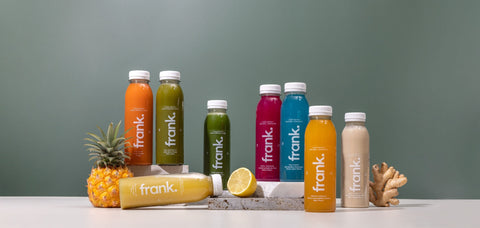
A juice cleanse, also known as juice fasting, is a type of fasting where for a set period you enjoy only cold-pressed juices and go without solid food. These juices are usually made from a variety of fruit, vegetables and herbs to provide a wide range of nutrients. On top of that, you drink a spicy ginger shot, delicious tea and broth as you like. The idea behind a juice cleanse is to give your body a break, take the load off your digestion, possibly encourage cell renewal processes (so-called autophagy), gain mental distance from your usual habits and at the same time supply your body with important nutrients through the juices. Many people who fast report the fasting high, which is said to lead to an especially euphoric mood, similar to the runner's high. Some testers also talk about better concentration and deeper sleep. If you'd like to learn more about fasting in general, we recommend our article: "What is fasting?". If you're especially interested in the juice cleanse, we recommend the blog article: "Juice cleanse - how long?".
Among the different frank. juice cleanses, you'll surely find a favourite! You can choose a 3 day juice cleanse, 5 day juice cleanse or the 7 day juice cleanse. Know exactly which juices you want to drink? Then put together your own juice cleanse with the configurator here! We also recommend the soup cleanse! This is a variation where, besides fresh, nutrient-rich juices, you also enjoy a warming soup each cleanse day. You can also extend our cleanses with supplements from BIOGENA into a gut cleanse, beauty cleanse or performance cleanse.
Discover our juice cleanse now!
What are light days?
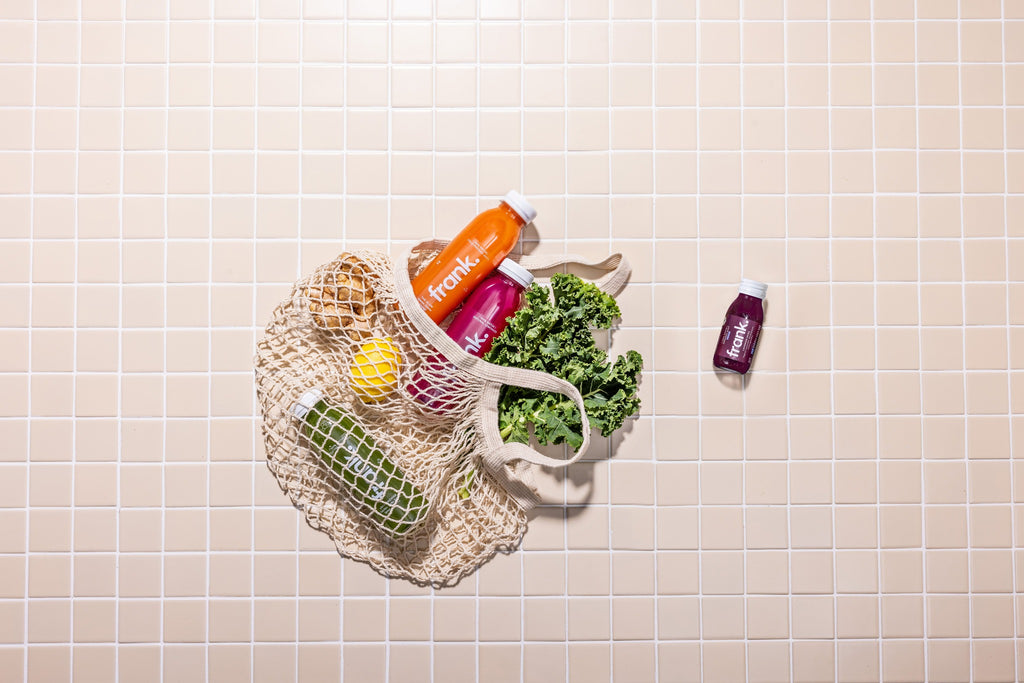
Ideally, you should have light days before and after your cleanse. All the important info to keep in mind is also in the comprehensive Cleanse Guide that we send with your cleanse package. You also get it digitally in your email inbox with your order confirmation if you want to read up earlier.
The light days after your cleanse are similar: they prepare you again for solid meals and so create a transition from fasting food to everyday meals. Since the gut microbiome shrinks during fasting, you should choose especially micronutrient-rich dishes after the cleanse to build up a high-performing microbiome.
The exact shape of light days can vary a little depending on your individual goals and preferences, but in general they have the following features:
Adjusting calorie intake: Before the cleanse you reduce calories, and after the cleanse you slowly raise them again.
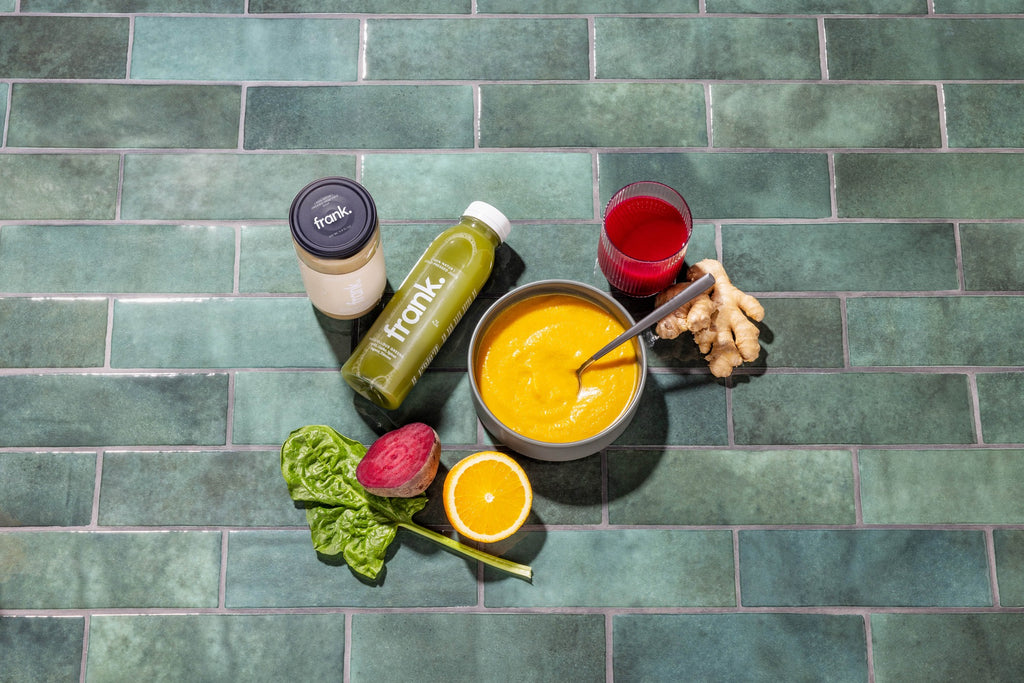
Want to make the light days especially easy? Order a few soups on top of your cleanse.
What are light days and breaking the fast properly good for?
Light days are an important preparation and follow-up phase that frame the actual fasting cleanse. You shouldn't skip either the preparation or the follow-up, and here we explain why light days matter.
The light days before your cleanse serve to gently prepare your body and mind for the fasting days ahead. You gradually swap various foods for others that are rich in nutrients and fibre. This gradual transition prevents abrupt food withdrawal, which puts less strain on the body and makes it easier to start the fasting period. It also helps you avoid cravings during the cleanse. You'll find everything on this topic in the article: "Cravings while fasting: what now?". This way you can make sure you don't feel any withdrawal symptoms from fewer carbohydrates and caffeine, or hunger. Don't know what side effects can come up when fasting if you don't prepare properly? Then the article "Fasting symptoms - where do they come from and what can you do about them?" is just right for you.

How many light days with breaking the fast?
The number of light days you should have before fasting depends on various factors, including your previous experience with fasting, your health goals and your physical condition. In general, the length of light days varies between 1 and 5 days, with most people finding 2 to 3 days enough.
With our juice cleanses, for example, we recommend one light day before and after the cleanse for the 3 day juice cleanse. With the 5 day juice cleanse this goes up to two light days each, and with the 7 day juice cleanse to three days. Whatever the length of the fasting cleanse, breaking the fast is the first solid meal after the cleanse.
Discover our juice cleanse now!
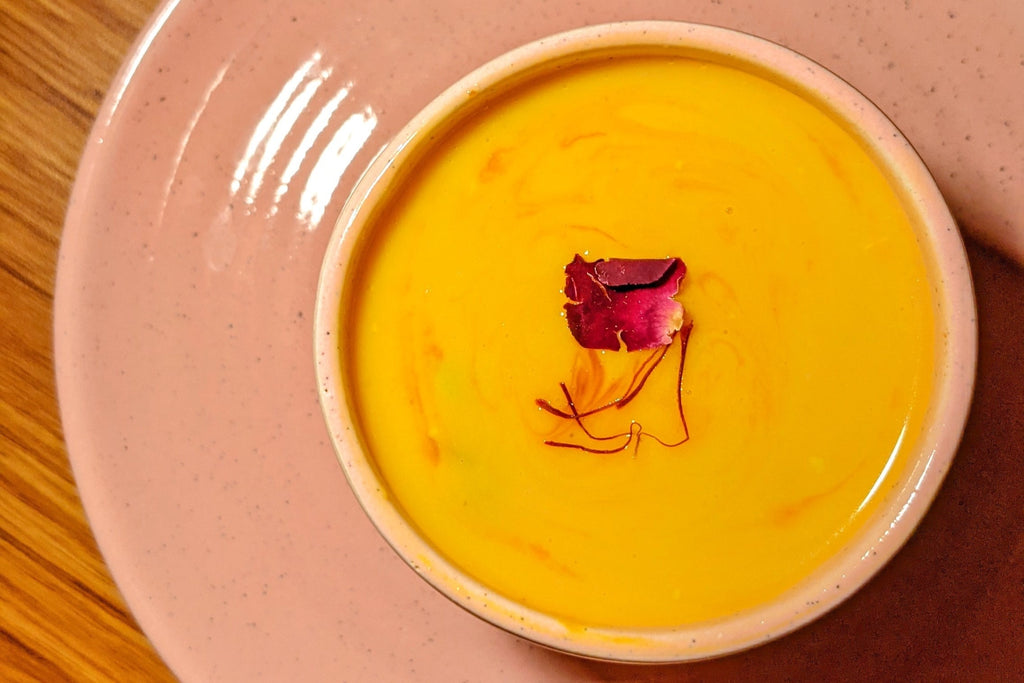
Breaking the fast within your light days
"Any fool can fast, but only a wise person can break the fast properly!"
- George Bernard Shaw
Whether you fast during the 40-day fasting period for religious reasons or do a juice cleanse for health or mental reasons: at some point the day comes when breaking the fast becomes the topic and you eat solid food again.
There is no one-size-fits-all guide to breaking the fast, as every body reacts differently to the change in diet after fasting and has different needs. On top of that, not every fasting cleanse is the same! But we can give you a basic guide as well as recipes that you can easily adapt to your individual needs.
When do I break the fast on light day 1?
Your juice cleanse always ends in the evening with the last of your juices.. You then have to be patient until the next day, when you can eat again and try new recipes.
Discover our juice cleanse now!
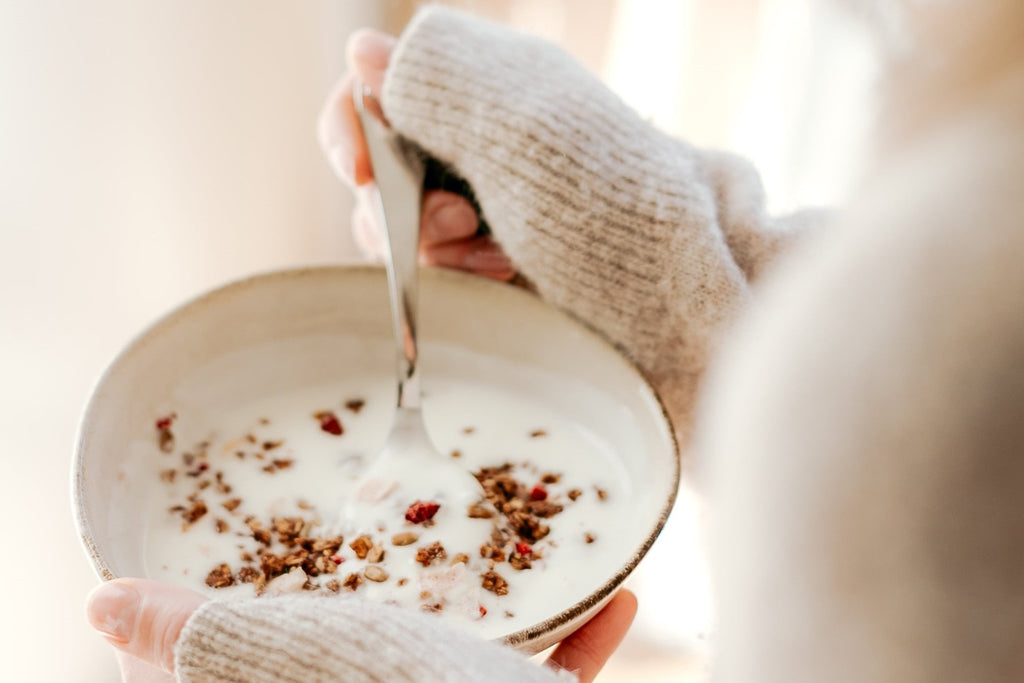
How do I break the fast on light day 1?
Start the day full of energy and with a strengthened awareness of your new body feeling, and get ready to break your fast. Take enough time for it and eat your first meal after the fasting days in peace. Breaking the fast slowly and carefully can help you feel better after the juice cleanse and keep the positive effects of the fasting cleanse going beyond the rebuilding period. Here too, take lots of time for breaking the fast and focus on yourself. Celebrate your food and discover a whole new feeling for eating.
Shop for high-quality products that you can really reward yourself with for a successful fasting period. Truly celebrate breaking the fast and enjoy the moment with your food. Start the day full of energy and give yourself a relaxed morning.
Once you've prepared your first meal and put it on a plate - start with a small portion and take more if you're still hungry - take another moment before you start eating. Think about your reasons for fasting, your gratitude for your food and what you want to take away from this time of fasting in the long run.
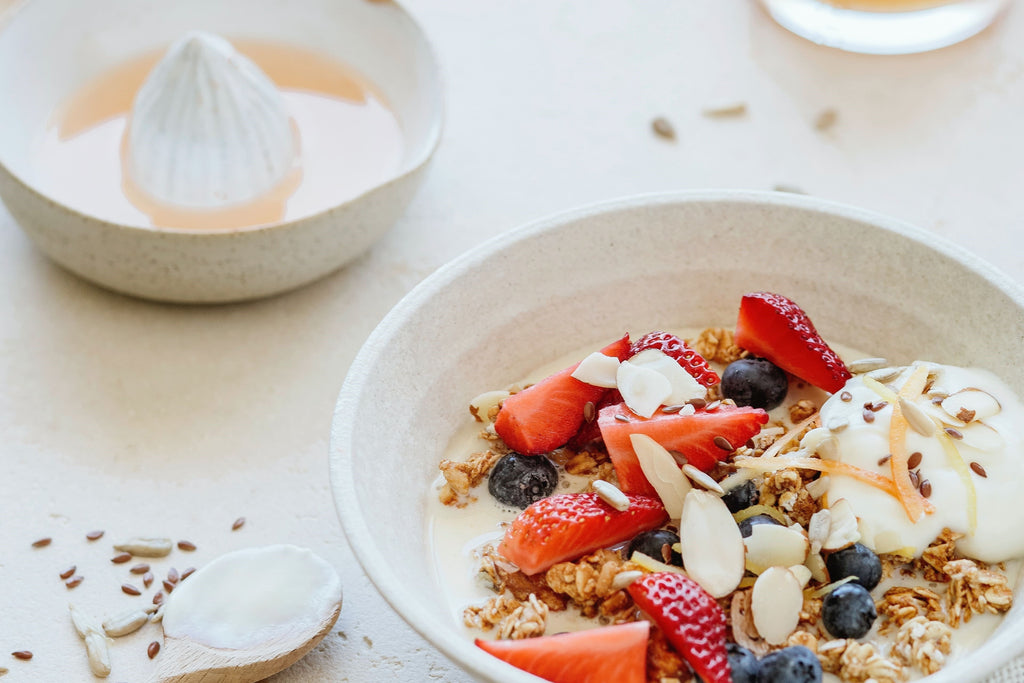
Then start eating slowly and mindfully. Pay attention to the taste of your food and definitely eat slowly, as this will keep you from eating more than you actually need. After the reduced calorie intake during the fasting period, it's completely normal for your body to feel full after smaller portions.
The keywords mindfulness and awareness should stay on your mind from now on whenever it comes to food. Only that way can you achieve a long-term change in your diet and make a healthier life possible.
In our blog article 'What to eat after a juice cleanse' we've already given you a recipe for breaking the fast, and further down you'll find two more recipes that are perfect for it.
Why is breaking the fast on light day 1 after the cleanse so important?
Breaking the fast is your first solid meal. It is an important part of fasting and the first step after the cleanse to gradually get your body used to solid food again. It's important to approach breaking the fast slowly and carefully with rebuilding food, so you don't overload the body and give it time to adjust to the changed food intake.
In general, the light days after the cleanse also focus on easily digestible foods that support digestion. This helps ease the load on the gastrointestinal tract and improves digestive function. During the light days we also pay special attention to nutrient-rich foods. That makes sure the body keeps receiving important nutrients.
We recommend starting with light, easy-to-digest foods and slowly moving on to more solid food from one rebuilding day to the next. The reason why it's so important to eat healthy and balanced in this rebuilding phase is simple: you want to keep supplying your body with all the nutrients it needs and avoid nausea!
When breaking the fast, you should also avoid certain foods like alcohol, caffeine, refined sugar and refined carbohydrates, as these food groups put a strain on the body and may let the reduced inflammatory processes flare up again. You can find more info about taboos during fasting in our article on the topic.
Discover our soup cleanses now!

What is on the menu for classic fast breaking on light day 1 after the cleanse?
After a fasting cleanse, in the rebuilding phase, it's important to slowly start with normal food again to gently prepare the body for taking in food. The classic method is breaking the fast with an apple!
Grated or steamed, a perfectly ripe apple proves to be the classic food for the rebuilding days after the fasting period. It's alkaline, easy to digest and, with its crunchy texture, a real contrast to the juices in your cleanse. Bet you've never eaten an apple as good as this one after your cleanse?
Alternatives to an apple are a tasty low-fat porridge, yoghurt with apple sauce, steamed vegetables or a soup. You'll find more ideas in our Cleanse Guide!
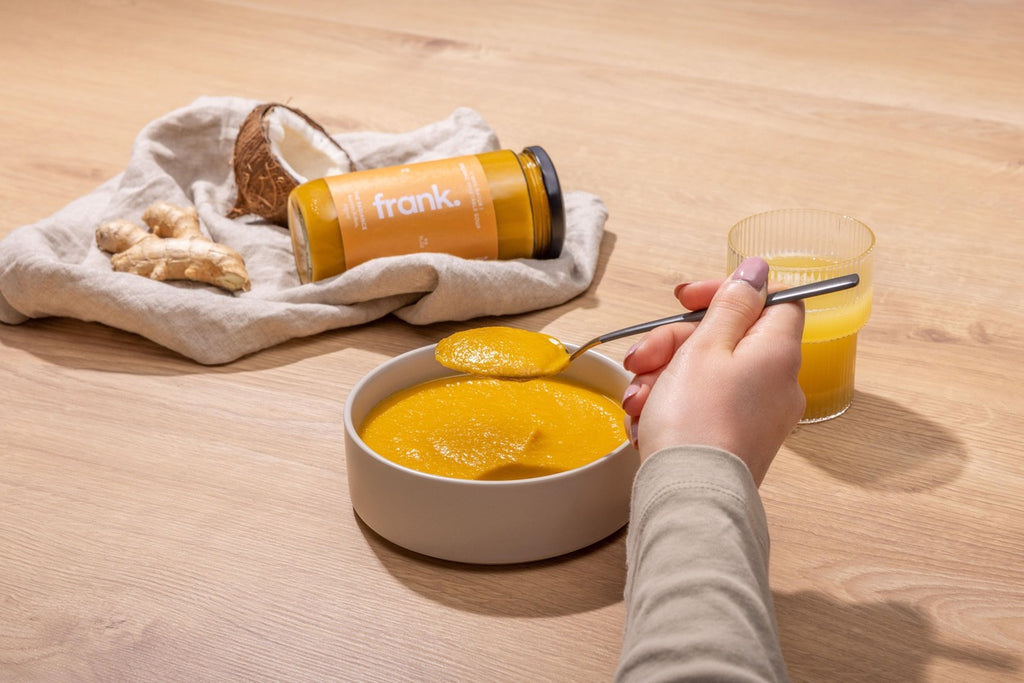
What is best to eat on the rebuilding days after breaking the fast?
The rebuilding days after fasting refer to the time after a fasting period in which food intake is gradually resumed. The rebuilding days usually involve gradually eating easily digestible foods like soups, smoothies and vegetables. Liquids are best taken in via water, vegetable broths or tea. It's important to listen to the signals of your body and belly and adjust the type and amount of your food accordingly to avoid digestive problems. It's recommended to drink plenty of fluids during the rebuilding days to keep the body hydrated.
Easily digestible foods
The same principle applies here as for breaking the fast: avoid heavy and fatty foods and go for easily digestible foods such as soups or cooked vegetables. Bit by bit, you can work heavier foods into your meals.
Protein
Some protein sources, like chicken, fish or tofu, can help you refill your energy while building up your muscles. That's why it's important to pay attention to the protein content of your rebuilding food. You can also mix natural protein powder into your meals during your rebuilding phase.
Fruit and vegetables
The apple doesn't have to be only your very first food! A balanced diet with plenty of fresh fruit and vegetables can help you get enough nutrients and build your body back up after a fasting period.
Whole grain products
Whole grain products should also be on your menu - regardless of your rebuilding time after fasting! They contain fibre and long-chain carbohydrates that can keep you full for a long time, so they should definitely be part of your everyday diet. They are definitely preferable to the white flour version.
Fluids
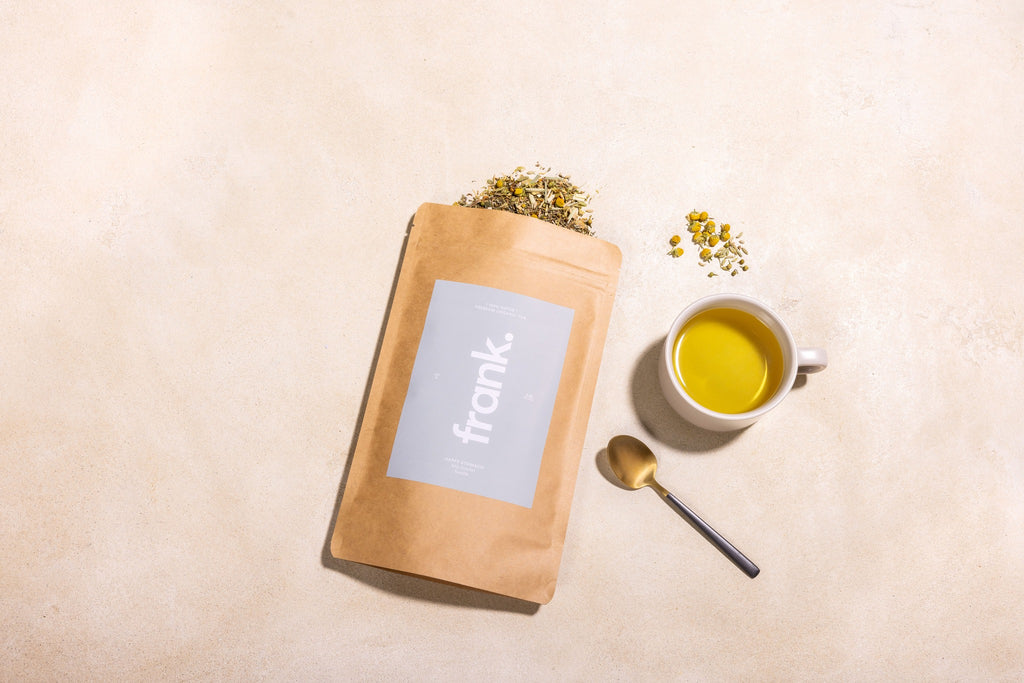
Besides food, you should drink plenty of water and teas during and after fasting to supply the body with enough fluid and avoid possible dehydration. After fasting, too, stay away from soft drinks and other artificially sweetened drinks.
Eating on the light days after breaking the fast - dos and don'ts
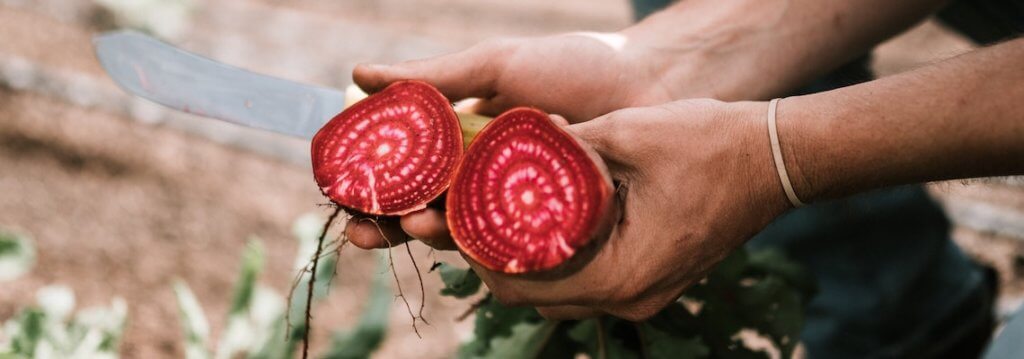
Really pay attention to which foods you eat in the first days! Besides the classic apple, you can also go for other low-acid fruit, such as banana, pear or plums. If you want something refreshing, you can also go for a melon or a peach. At lunch you can treat yourself to a tasty warm vegetable soup. Towards dinner, make sure you choose easily digestible grains like white rice, or potatoes with quark, which make a great meal after fasting. In general, root vegetables like carrots, beetroot and swede are very gentle. Throughout the day, make sure to drink plenty and eat very slowly. That way you're already preparing the food for the digestive process.
As a rule: eat what feels good to you and avoid the foods that make you feel sick. Still, there are a few things you should definitely avoid! These include animal products like milk and meat, as they are harder to digest.. You should also avoid very acidic foods like lemon and wine. Alcohol, nicotine, sweets and fast food are also taboo. Try not to salt your food too much. If you keep these points in mind, nothing stands in the way of breaking your fast.
What does the perfect rebuilding day after fasting look like?
There is no general answer to what a perfect rebuilding day after fasting should look like, as every body is different and has different needs and preferences when it comes to food. A good approach for the rebuilding days after fasting, though, is to increase your food intake slowly and step by step, and to pay attention to your body's signals while eating too.
On the first day after the cleanse you could have 5 small meals, made up of breakfast, a mid-morning snack, lunch, an afternoon snack and dinner. That way you don't overload your digestion. On the following days you can cut back on the snacks, until you end up with 3 meals a day.
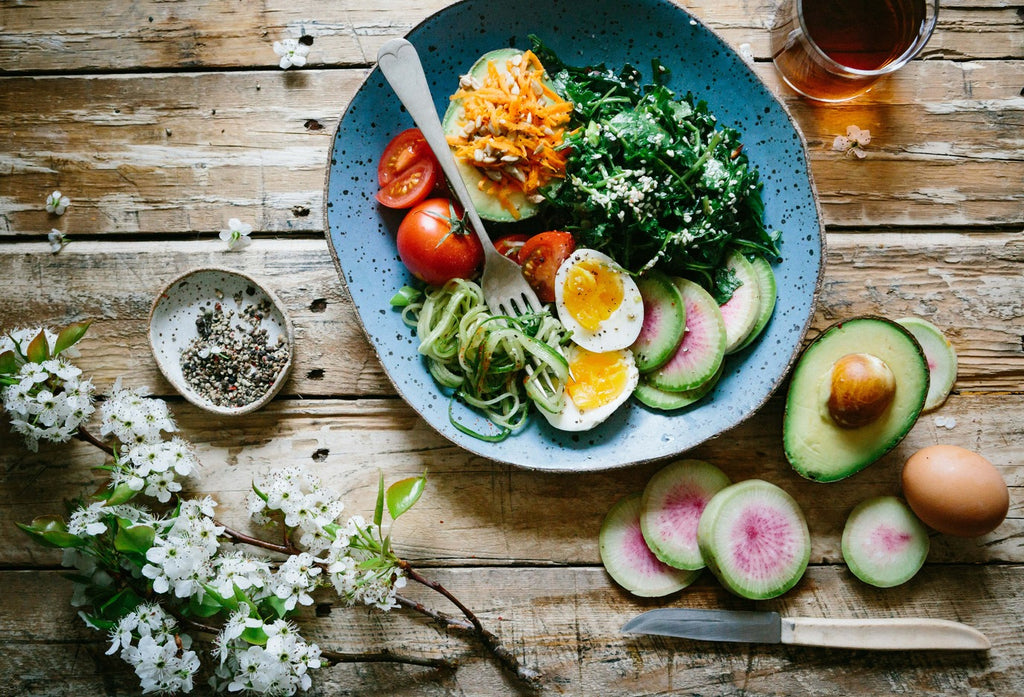
Recipes for breaking the fast and the light days
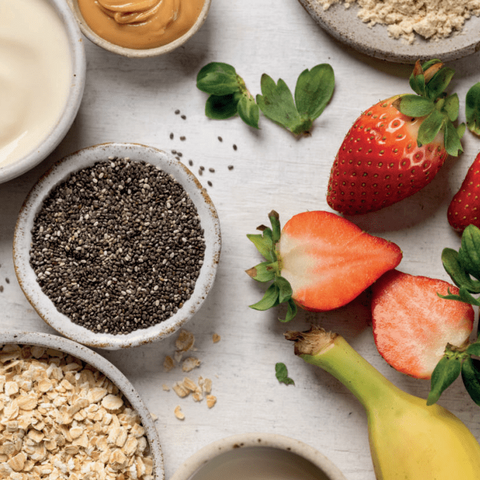
Recipe: banana cinnamon porridge with almond butter for your light days
You did it and made it through your fasting period successfully! There are so many options for breaking the fast... how are you supposed to decide? We help you with tried and tested recipes for your rebuilding days after therapeutic fasting.
How about this quick and tasty porridge right at breakfast? Here you can let your creativity run free. Instead of oats, any kind of grain flakes work, such as spelt flakes, millet or buckwheat flakes. There are plenty of plant-based milk alternatives these days too! Pick your favourite and swap it in for the oat milk in this recipe. Any kind of fruit goes on your porridge for breaking the fast. Don't like banana? How about apple or pear?
Ingredients:
- 50 g oats
- 100 g oat milk
- 250 ml water
- 15 ml agave syrup
- Pinch of salt
- 10 g protein powder
- ¼ tsp cinnamon
- ½ banana (50 g)
- 15 g almond butter
Method:
Bring all the ingredients except the protein powder, banana and almond butter to the boil in a pot. Reduce the heat, simmer for about 5 minutes, stirring regularly, and let cool briefly. Finally, stir in the protein powder.
frank. tip: Make sure you use a protein powder without additives. We recommend our own frank. protein powder 'The Essential', which consists only of the 5 ingredients pea, rice, sunflower seed, pumpkin seed and hemp seed.
Then slice the banana and garnish the finished porridge with the almond butter.
Alternatively: Slice the banana, season with cinnamon, fry on both sides in a non-stick pan and spread over the porridge.
frank. tip: You can also refine your porridge with Bourbon vanilla and cocoa powder!

Recipe: roasted pepper pasta for your light days
This recipe is great for lunch or dinner on your rebuilding days. The roasted peppers and spinach give the pasta a wonderful flavour, while the tahini makes it creamy. The apple cider vinegar, together with salt and pepper, gives the dish its special kick. Have time and want to have fun in the kitchen? Then you can also make your own roasted peppers: put fresh peppers in the oven and cook them at a high temperature until the skin turns dark. After they cool, you can peel the peppers - and you have roasted peppers just like from the supermarket!
Ingredients:
- 60 g whole wheat pasta
- 50 g textured soy pieces
- 200 g roasted peppers
- 1 cup vegetable broth
- 15 g tahini
- ½ tsp salt
- 1/3 tsp pepper
- Splash of apple cider vinegar
- 50 g baby spinach
Method:
Cook the pasta al dente in salted water and pour boiling vegetable broth over the soy pieces, letting them swell. Meanwhile, make the sauce: drain the roasted peppers. Blend half of them with the tahini, salt, pepper and apple cider vinegar. Dice the rest of the peppers finely. Warm the sauce in a pot, add the cooked pasta and a little pasta water to the pot. Fold in the spinach and the soy pieces and let everything simmer briefly until the spinach has wilted.
Then plate up and enjoy. You've earned it!

Recipe: paleo raw carrot cake
Ingredients for the cake:
- 2 large carrots
- 120 g coconut flakes
- 120 g whole walnuts
- 2 tsp cinnamon
- 180 g dates
- 60 ml coconut oil
Ingredients for the topping:
-
80g cashew nuts
80g coconut flakes
56 ml coconut oil
1 lemon (juice)
1 tbsp honey
Method for the carrot cake:
Bring some water to the boil and soak the dates over medium heat for 10-15 minutes. In the meantime, peel and grate the carrots and chop the walnuts.
Mix carrots, walnuts, coconut flakes and cinnamon in a large bowl.
Then blend the soaked dates together with the coconut oil until you have an even mixture.
In the last step, mix both mixtures together, put them in a cake tin and press down firmly with a spoon. Then put it in the fridge for at least 15 minutes.
Method for the topping:
For the topping, soak the cashews in water for at least 30 minutes (ideally overnight). Then put all the ingredients together and blend well.
Spread the topping over the cake and then decorate it with cinnamon and whole walnuts.
Conclusion on breaking the fast and the light days
In this blog article we looked in detail at what you should eat during the two decisive phases before and after your fasting cleanse. What the first meal after the cleanse, the so-called breaking of the fast, should include is an especially exciting question too.
Light days are an important preparation for various forms of fasting, be it intermittent fasting, a juice cleanse, water fasting or other methods. They help make the transition into the fasting period smoother and minimise possible withdrawal symptoms. The exact length and shape of the light days can vary depending on individual goals and preferences and should be carefully planned and monitored to get the best possible results.
Choosing the right foods plays a decisive role in making the light days effective and healthy. We looked at a wide range of foods that fit into your light days to make sure you start your fasting period well prepared. We talked about how the right diet can help you enjoy the benefits of fasting to the full.
For breaking the fast and the rebuilding days, stick to easily digestible foods and tried and tested recipes. Plenty of vegetables, high-quality protein sources and some carbohydrates are the perfect base for your rebuilding days. Also only eat healthy fats and ideally use them just for frying or in sauces. And keep drinking plenty of water and unsweetened teas beyond your rebuilding days to stay hydrated.
Discover our juice cleanse now!