The liver is one of the most important and largest organs in our body. It has many vital functions that support the processes in our body every day. In our blog post, we explain how the liver works and why it is so essential for us humans.
Structure
The liver sits in the upper right abdomen below the diaphragm and consists of 300 million liver cells that take on vital functions. In adults it weighs about 1.4 kg and so almost completely fills the space under the ribs. Important nutrients reach the liver from the digestive organs via the portal vein. These include nutrients absorbed from food, medication, but also harmful substances that are transported from the gut via the blood.
Role of the liver
We owe a lot to our metabolic organ. The liver converts toxic substances into harmless ones and plays a central role in our metabolism. For example, toxic ammonia is broken down into urea. The liver also stores nutrients such as fat, protein building blocks, sugar and fat-soluble vitamins (A, D, E, K) when they aren't needed right away. The liver is known as an energy supplier because, when energy is needed, it converts proteins into sugar, and when there's an energy surplus, it converts sugar into fat.
Fatty liver
A so-called fatty liver develops when liver cells store more fat. However, it's a myth that a fatty liver is only linked to excessive alcohol consumption. The most common cause is a constant, excessive calorie intake, because in a calorie surplus sugar is converted into fat. Lack of exercise and sleep, as well as trans fats found in highly processed foods, also contribute to a fatty liver. Other factors that can contribute to a fatty liver include, for example, the faulty processing of fats due to a vitamin B deficiency, as well as transport proteins that carry too much fat to the liver.
Do your liver a favour
Try to take the strain off your liver every now and then. Eat a balanced, mostly plant-based diet, exercise regularly, get enough sleep and, besides refined household sugar, avoid above all the harmful substances alcohol and nicotine. If you want to support your metabolic organ, make sure you eat plenty of alkaline-rich foods. The more natural and nutrient-rich your meals are, the less your liver has to filter. The claim that fructose in fruit is across-the-board bad for our liver is completely false. As long as you don't take in too many calories, fructose isn't converted into fat but straight into energy.
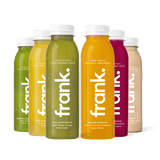
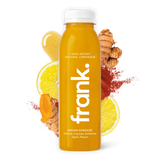
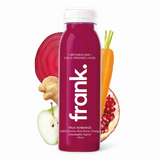
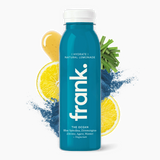
That's why our low-calorie juice cleanses, which are based on natural and alkaline ingredients, can support you in this process of taking the strain off, and are in no way harmful.
The liver is one of the most important and largest organs in our body. It has many vital functions that support the processes in our body every day. In our blog post we explain how the liver works and why it is so essential for us humans.
Structure
The liver sits in the upper right abdomen below the diaphragm and consists of 300 million liver cells that carry out vital functions. In adults it weighs about 1.4 kg and so almost completely fills the space under the ribs. Important nutrients reach the liver from the digestive organs via the portal vein. These include nutrients absorbed from food, medication, but also harmful substances, which are transported from the gut via the blood.
Function of the liver
We have our metabolic organ to thank for quite a lot. The liver converts toxic substances into harmless ones and plays a central role in our metabolism. For example, toxic ammonia is broken down into urea. The liver also stores nutrients such as fat, protein building blocks, sugar and fat-soluble vitamins (A, D, E, K) when they are not needed immediately. The liver is called an energy supplier because it converts proteins into sugar when energy is needed and sugar into fat when there is an energy surplus.
Fatty liver
A so-called fatty liver develops when liver cells store more fat. That a fatty liver is only linked to excessive alcohol consumption is, however, a myth. The most common cause is a constant, excessive calorie intake, since the calorie surplus converts sugar into fat. Lack of exercise and sleep, as well as trans fats found in heavily processed foods, also favour a fatty liver. Other factors that can contribute to a fatty liver include, for example, fats being processed incorrectly because of a vitamin B deficiency, and transport proteins that carry too much fat into the liver.

Do your liver a favour
Try to take the strain off your liver every now and then. Eat a balanced, preferably plant-based diet, exercise regularly, get enough sleep and, besides refined household sugar, avoid above all the harmful substances alcohol and nicotine. If you want to support your metabolic organ, pay attention to an alkaline-rich diet. The more natural and nutrient-rich your meals are, the less your liver has to filter. The claim that fructose in fruit is across-the-board bad for our liver is completely false. As long as you don't take in too many calories, fructose is not turned into fat but converted straight into energy.
That is why our low-calorie juice cleanses, which are based on natural and alkaline ingredients, can support you in this process of taking the strain off and are in no way harmful.