Updated: October 2026
In short: More protein can help with weight loss, but you don't need protein powder for it. An analysis of 24 studies shows small benefits for a higher protein share. The consumer advice centre (Verbraucherzentrale) calls shakes unnecessary if your needs are covered by normal meals, and stresses that shakes alone don't make you slim in the long run. What remains decisive is a moderate calorie deficit.
Protein shake for breakfast, protein powder as a meal replacement, whey after training: there's a lot of advertising for these around weight loss. We checked studies and consumer information. Here you'll find what protein actually does for weight loss, whether whey or plant-based powder is better, how much protein you need, what to look for when buying and when foods are the better choice.
Does protein powder help with weight loss?
A little, but not decisively. An analysis of nine studies in people with overweight found a small benefit of whey protein for body weight and fat mass compared with placebo or controls. The authors consider further studies on dosage and duration necessary.
The Verbraucherzentrale writes that, from a nutrition science perspective, shakes are unnecessary if protein needs can be covered through normal meals. And: protein shakes and formula diets alone don't make you slim in the long term. So the powder is an option, not a must.
What does more protein really do for weight loss?
A meta-analysis of 24 studies with 1,063 participants compared calorie-reduced diets with a higher and a normal protein share (12 weeks on average). With more protein, body weight fell on average by 0.79 kg more, fat mass by 0.87 kg more, and the loss of fat-free mass was smaller. Participants felt fuller with more protein in 3 of 5 studies that examined this.
Those are moderate benefits. A review of the role of protein in weight loss comes to a similar picture: in short, tightly controlled studies, benefits show up; in longer ones the results are mixed, and what decides is whether you stick to the diet.
Which protein powder is best for weight loss: whey or plant-based?
For whey protein, there is the analysis showing a small benefit for weight and fat mass. For plant-based powders such as pea, rice or soy, we found no comparable analysis in the sources we checked, so we can't answer the question of the "best" powder with evidence. Another analysis in women after menopause also shows: without strength training, whey brought no benefit for muscle strength, muscle mass, fat mass or weight loss.
| Question | What we found in the sources |
|---|---|
| Whey for weight and fat mass | Small benefit in a meta-analysis of 9 studies |
| Plant-based powders | No comparable analysis found, so unclear |
| Whey without strength training (women after menopause) | No benefit for muscles and weight loss |
| Best brand | We can't make an evidence-based statement on this |
How much protein do you need per day for weight loss?
The DGE gives as a reference value for adults aged 19 to under 65 years 0.8 g of protein per kg of body weight per day, and from 65 years 1.0 g per kg. That is the requirement for maintenance, not specifically for weight loss. We found no separate DGE figure for people losing weight. The studies on a higher protein share define "more" differently.
| Body weight | DGE reference value at 0.8 g per kg |
|---|---|
| 60 kg | 48 g |
| 70 kg | 56 g |
| 80 kg | 64 g |
| 90 kg | 72 g |
Many people reach this with normal food. With kidney disease, according to the Verbraucherzentrale, an excessively high protein intake puts additional strain on the kidneys. In that case, talk to your doctor first.
Does a protein shake instead of a meal make sense?
Not as a long-term solution. The Verbraucherzentrale points out that high-protein meals can support weight loss because they generally keep you full longer than very carbohydrate- or fat-rich foods, and that shakes and formula diets alone don't make you slim in the long term. Many ready-made shakes also contain sweeteners and flavourings, which in some people can disrupt hunger and appetite.
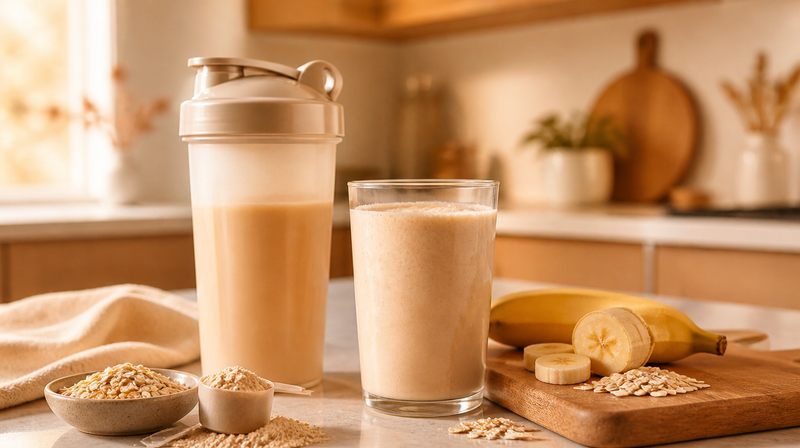
If you like a shake, it can complement a meal when you're on the go. According to the Verbraucherzentrale, homemade shakes are cheaper than bought ones. You'll find recipes for them in the article Protein Shakes: Why Is Protein So Important and 3 Recipes.
Which foods are a good alternative to powder?
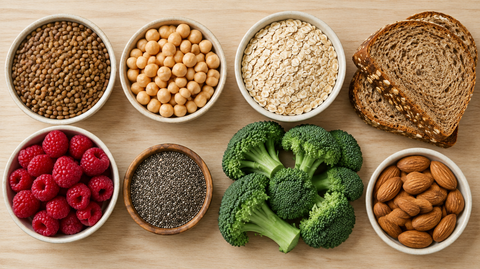
The DGE recommends dairy daily, legumes at least once a week and fish once or twice a week. All provide protein. With these you can usually meet your needs without powder.
| Food | Suits |
|---|---|
| Dairy such as quark or yoghurt | Breakfast, snack, dessert |
| Legumes such as lentils or chickpeas | Soups, bowls, salads |
| Fish | Dinner, once or twice a week |
| Eggs | Breakfast, quick dishes |
| Nuts in small amounts | Snack, topping |
More basics in the article What Are Proteins and Why Are They Essential? You'll find cooking ideas under Recipes for Weight Loss.
Does more protein protect your muscles during weight loss?
At least to a degree. In the meta-analysis of 24 studies, the loss of fat-free mass was on average 0.43 kg smaller with a higher protein share, and the decline in resting metabolic rate was also smaller. That's not a free pass, but it is an argument not to skimp on protein when losing weight.
If you want to preserve or build muscle, you should also train: the NHS recommends strengthening the major muscle groups on at least two days a week. How to combine exercise and weight loss is covered in the article Best Exercise for Weight Loss.
What can a day with more protein look like?
An example without powder. It shows that protein can be built into normal meals easily. Adjust amounts to your needs.
| Meal | Idea |
|---|---|
| Breakfast | Quark or yoghurt with oats and berries |
| Lunch | Lentil soup with vegetables and wholegrain bread |
| Snack | A handful of nuts and an apple |
| Evening | Roasted vegetables with fish or egg, plus salad |
More ideas: Meal Plan for Weight Loss.
What should you look for when buying protein powder?
Read the ingredient list. The Verbraucherzentrale names sweeteners and flavourings as common additives. Short ingredient lists without added sugar are a good guide. Also ask yourself what you need it for: if you already eat enough protein, an additional shake mainly brings additional calories. The NHS generally recommends reading labels.
What remains decisive is the framework: a moderate pace of 0.5 to 1 kg per week, exercise and enough sleep. More on this in Basic Rules for Losing Weight.
Pairs well with frank.
For nutrition and everyday life, you'll find at frank. in the category Supplements with Function teas and complexes for your routine. We make no statements on effects on weight.
You might also like
- Protein Shakes - Why Is Protein So Important + 3 Recipes
- What Are Proteins and Why Are They Essential?
- Basic Rules for Losing Weight
Frequently asked questions about protein powder for weight loss
Which protein powder is the best for weight loss?
In the sources we checked, there is no evidence-based ranking. For whey protein, a meta-analysis shows a small benefit for weight and fat mass; for plant-based powders we found no comparable analysis.
Can you lose weight with protein shakes?
Yes, if they lead to taking in fewer calories overall. The Verbraucherzentrale stresses that shakes alone don't make you slim in the long term.
How much protein a day for weight loss?
The DGE gives as a reference value 0.8 g per kg of body weight for adults up to 65 years. We found no separate DGE figure for weight loss.
Are protein shakes healthy?
For healthy adults they are an option, but usually unnecessary. With kidney disease, too much protein puts additional strain on the kidneys, according to the Verbraucherzentrale.
Does protein keep you full?
According to the Verbraucherzentrale, high-protein meals generally keep you full longer than very carbohydrate- or fat-rich foods. In one meta-analysis, 3 of 5 studies reported more fullness with a higher protein share.
Note: This article is for general information and does not replace medical or therapeutic advice. If you have symptoms or pre-existing conditions, are pregnant or take medication, please speak to your doctor first.