Updated: October 2026
In short: During menopause, many women gain weight, often around the belly and upper body, as the NHS describes. Losing weight is still possible: with a moderate calorie deficit of around 500 to 600 kcal, balanced nutrition, strength and endurance exercise and good sleep. Strict diets don't help. If you have severe symptoms, talk to your gynaecologist or GP.
Your trousers feel tight, the scale shows more, and you're eating the same as before? Many women experience this during menopause. It's very common and not a personal failure. Here's what can be behind it and how to counter it realistically.
Why do many women gain weight during menopause?
The NHS writes that weight gain in perimenopause and menopause is common and often shows around the belly and upper body. Menopause is a natural phase of life in which hormone levels fall, usually between the ages of 45 and 55.
Besides hormones, everyday factors play a part: sleep problems from hot flushes, less exercise, more stress and increasing age. We present the causes as explanations, not as a diagnosis. If you have symptoms, your doctor can explain the options.
Is losing weight harder during menopause?
For many it feels that way. The principle stays the same, though: without a calorie deficit, you won't lose weight. The Verbraucherzentrale describes a moderate deficit of 500 to 600 kcal per day for this, combined with behaviour change and exercise. Your total requirement can change over the years, so it's worth recalculating it.
Our calorie calculator helps you with this, and the article Calculating a Calorie Deficit shows worked examples. What matters is a steady pace of 0.5 to 1 kg per week, as the NHS recommends, and no crash diet.
Which diet supports you during menopause?
The NHS recommends a balanced diet and highlights calcium-rich foods such as milk, yoghurt and kale for healthy bones. The DGE adds at least five portions of vegetables and fruit a day, whole-grain products, legumes, a handful of nuts and plant oils such as rapeseed or olive oil.
| Building block | Everyday example |
|---|---|
| Vegetables and fruit | 5 portions a day, something with every meal |
| Calcium sources | Milk, yoghurt, kale or fortified alternatives |
| Whole grains and legumes | Oats, wholemeal bread, lentils, chickpeas |
| Healthy fats | Nuts, rapeseed oil, olive oil |
| Drinks | around 1.5 litres of water or unsweetened tea |
According to the NHS, alcohol and caffeine can trigger hot flushes. If that affects you, try less of them and see whether you feel better.
Which exercise helps most?
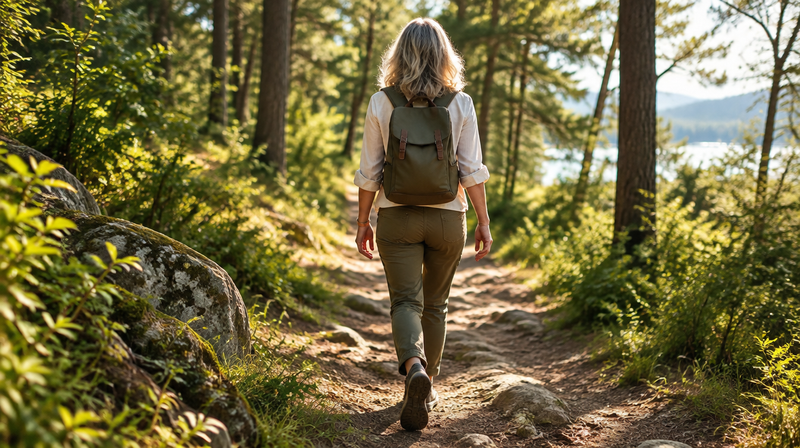
The NHS recommends regular exercise, especially weight-bearing activities such as walking, running and dancing, as well as strength and resistance training to protect bones. In general, 150 minutes of moderate activity a week and strengthening on at least two days apply.
- brisk walking on 4 to 5 days a week
- strength training twice a week with body weight or weights
- yoga or stretching for relaxation
- build movement into daily life, stairs instead of the lift
Exercise supports not just weight but, according to the NHS, also sleep and symptoms. If you've been inactive for a while, start slowly and check with a doctor first.
How important are sleep and stress?
Very important, as both shape appetite and energy. The NHS advises regular sleep routines and relaxation such as yoga, tai chi or meditation. If you wake at night because of hot flushes, you often need more energy during the day and reach for sweet things more quickly.
Plan calm time in the evening, keep the bedroom cool and dark and avoid late caffeine. You'll find more in our article The Effect of Sleep on the Body.
What does a day with more structure look like?
Structure helps when your body is changing. An example of a day with a moderate deficit and good sleep:
| Time | Idea |
|---|---|
| Morning | Water, breakfast with protein and fibre, brisk walk |
| Midday | Vegetables, whole grains or potatoes, protein source |
| Afternoon | Fruit, yoghurt or nuts, stop caffeine |
| Evening | light meal, no alcohol, stretching or yoga |
| Night | cool, dark room, fixed bedtime |
Pick one point per week instead of changing everything at once. That's how an idea becomes a habit.
What should you avoid?
Strict diets, miracle cleanses and products that promise fast weight loss. The NHS warns against crash diets, and the Verbraucherzentrale considers metabolism tricks unproven. Looking only at the scale can also be misleading, because muscle weighs more than fat.
The NHS names a second guide: the ratio of waist circumference to height. Your waist should be less than half your height. That is more informative than the scale alone, because it shows whether fat around the belly is changing.
When should you seek medical advice?
If you have menopause symptoms that limit you in daily life, if you gain or lose weight unexplainably strongly or suspect that a condition is behind weight problems. The NHS recommends talking to your GP if you have questions about the options. That also applies if you're considering hormone therapy.
Supplements are no substitute for a good diet. If you want to take any, check with a pharmacy or doctor's practice beforehand whether they suit you.
Matching picks from frank.
For a warm evening without caffeine: our Feel Good Tea with lemongrass, rosemary and lavender or the Calm Down Tea. More nutrition knowledge: Losing Weight Healthily.
You might also like
- Basic Rules of Weight Loss
- Sleep - The Effect of Sleep on Your Body
- How Many Calories Do You Need Per Day to Lose Weight Healthily?
Frequently asked questions about losing weight during menopause
How much weight do you gain during menopause?
That's individual. The NHS names weight gain as common, especially around the belly and upper body, but gives no fixed figure.
What's the best way to lose weight during menopause?
With a moderate calorie deficit, balanced nutrition, regular exercise including strength training and enough sleep.
Does strength training help during menopause?
The NHS recommends strength and resistance training to protect the bones and for health in general. It can also help with weight management.
Which foods should I avoid during menopause?
There is no forbidden list. According to the NHS, alcohol and caffeine can trigger hot flushes, so it's worth cutting back.
Do I need supplements during menopause?
Not automatically. The NHS emphasises a calcium-rich diet and sunlight for vitamin D and names vitamin D supplements as an option. Ask your doctor's practice beforehand.
Note: This article is for general information and is not a substitute for medical or therapeutic advice. If you have complaints, pre-existing conditions, are pregnant or take medication, please talk to your doctor first.