In short: Typical side effects when fasting and on a juice cleanse are headaches, tiredness, feeling cold, dizziness and cravings. They happen because the body switches from carbohydrate to fat metabolism, and they are usually strongest in the first few days. Drinking plenty, resting, keeping warm and cutting back on coffee slowly can help. If you get severe dizziness, a racing heart or ongoing symptoms, stop the cleanse and talk to your doctor. Updated: October 2026.
You did it: you ordered a juice cleanse, stuck to the preparation days, and now the cleanse can finally begin. But the initial motivation fades when side effects show up during your juice cleanse, such as headaches, circulation problems and feeling cold. Are you wondering whether you did something wrong, or whether a juice cleanse is right for you? We tell you what these side effects are about and what you can do about them
What happens in my body while fasting?
First of all, every fasting cleanse is an adjustment for your body. It needs a certain amount of time to get used to going without solid food in the usual amounts. For this reason, harmless side effects can occur. These include headaches, dizziness and feeling cold.
During fasting, your energy cycle switches from external to internal nutrition. This means that your body gets its energy mainly not from your food, but from internal resources. These are primarily fat as a long-term store and, secondarily, the body's own proteins. These are normally used as an energy source. Glucose (= sugar) is stored in the body as glycogen (in the muscles, liver, kidneys and brain). But these stores are used up quickly! Since our brain and some blood cells depend on glucose as a form of energy, your body has to switch from its usual carbohydrate metabolism to fat metabolism.
If your body is at the point where it is not yet in ketosis but the carbohydrate stores are slowly running out, side effects can occur.
Possible side effects of fasting
As mentioned, side effects can occur during fasting, and at the beginning of your fasting phase especially they can feel like insurmountable obstacles and raise doubts. Possible side effects of a juice cleanse include:
- Headaches
- Feeling unwell
- Low blood pressure
- Dizziness
- Feeling the cold more
- Mood swings
- Tiredness
- Skin blemishes
It is important to know that these symptoms are normal to a certain extent and that you are not alone. These side effects are no reason to throw the juice bottle away and give up! If anything, they should encourage you in your plan, because they show you that your body notices the change and is reacting to the shift in diet. But what triggers the symptoms and what can you do about them?
Our nutritionist explains how best to prepare for your juice cleanse!

Headaches and feeling unwell when fasting
One of the most common fasting side effects that can occur during a juice cleanse is headaches. The unpleasant throbbing tends to show up more at the start of the cleanse. Whether you get symptoms and how strong they are cannot be said across the board, though. As soon as the pain sets in, only one thing helps: drink plenty. The throbbing is a sign that your body is starting to switch its metabolism. For a short time, the uric acid levels in your bloodstream rise, which can lead to headaches. Uric acid is broken down via your kidneys. To support this organ, you should take in plenty of fluid in addition to the juices. Our frank Tea is a good choice for this.

Another reason for your headaches can be withdrawal symptoms. Giving up indulgences such as sweets or alcohol is important. Whether you give up caffeine or not is up to you. You can find more on this in the article: “Coffee, nicotine and alcohol - taboos on a juice cleanse”. As soon as your body no longer receives stimulants such as caffeine or short-chain carbohydrates to metabolise, the need shows itself through headaches, feeling unwell and difficulty concentrating. Once your metabolism realises that the craving is not being met, it switches over and starts tapping into your protein and fat stores to produce energy.
What helps against headaches when fasting?
Headaches during fasting can be caused by various factors, including caffeine withdrawal, dehydration, low blood sugar or stress.
To ease headaches when fasting, it is important not only to drink enough, but also to make sure your body is getting enough nutrients. Minerals such as magnesium, potassium and calcium in particular may help reduce headaches. Try to take in these minerals in addition to your juices, or add suitable supplements to your fasting cleanse.
If you normally drink (a lot of) coffee or caffeinated drinks, you may get headaches if you stop abruptly during your cleanse. So cut back on your caffeine intake as part of your preparation.
Since stress can make headaches worse, make sure you get enough rest and relaxation, especially during the cleanse. You can also use our meditation videos in the frank. app for this!
Regular, light exercise such as walking or gentle stretching can help boost circulation and ease tension headaches.
Feeling cold and dizziness when fasting
During your juice cleanse you may feel the cold more. Especially in your arms and legs, you may find yourself freezing and reaching for thick socks and a warm jumper.
You feel cold because, during your juice cleanse, you miss warm meals and drink more cold juices, almost 2 litres a day. Another reason can be low blood pressure. Women in particular more often experience circulation problems during a juice cleanse. With low blood pressure, the body mainly supplies the trunk with blood, while the peripheral parts of the body, your arms and legs, get less blood. Poor circulation can make your hands and feet cold and make you feel chilly.

What you can do about feeling cold when fasting
If you notice you are starting to feel cold, try to keep your cardiovascular system going by staying active regularly while fasting. Make sure not to do intense workouts, but to work light movement such as walking, yoga and stretching into your fasting time. That not only puts you in a good mood, it also stimulates your cardiovascular and digestive systems. Other methods for this are contrast showers and dry brushing.
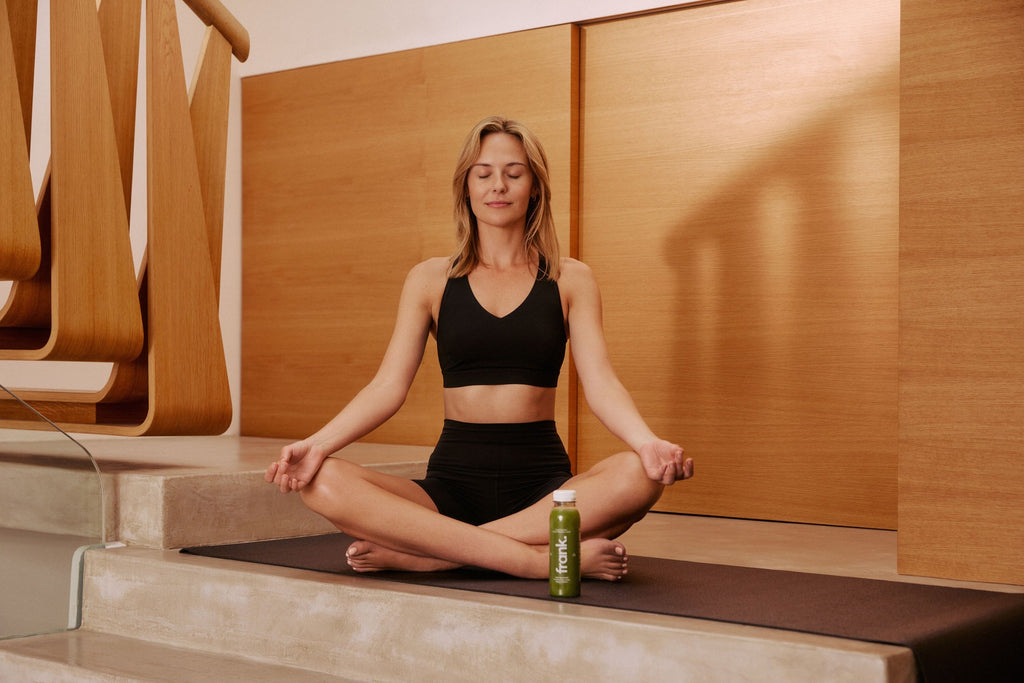
During your juice cleanse you should make sure you take in enough fluid and electrolytes. Start your day with hot lemon and ginger water or try our Re-Charge Tea. The green tea blend will liven you up and give you a cosy warmth. In addition to your juices, you can also make yourself a hot vegetable broth at any time. You will see that the warmth and the tart taste will do you good, and the broth may ease your symptoms.
Mood swings and tiredness when fasting
Besides the symptoms already described, other fasting side effects can be that fasting affects your mood and that you feel tired during the day. Even though the fresh, colourful juices from frank. are especially tasty, they can still put you in a bad mood or make you irritable for the moment. That is not down to the fresh ingredients and the fruit and vegetables, but to the small amount of calories you take in during the juice cleanse.

Depending on your eating habits, you reduce your calorie intake considerably during your juice cleanse. Your body no longer has the usual amount of energy available, which leads to tiredness and a bad mood. To counteract this effect, we advise you to reduce your calorie intake a few days before your juice cleanse. That way the symptoms will be less noticeable over the fasting days and the switch will be even easier for you. Instead of a hearty meal, you could reach for a warm soup, for example.
What to do about tiredness when fasting?
To ease mood swings and tiredness during fasting, it is also important to pay attention to good sleep quality. Try to regulate your sleep-wake rhythm and plan in enough rest breaks, to give your body the recovery it needs during this time. Gentle forms of movement such as yoga or walks in the fresh air can also help lift your mood and revive your body.
Skin blemishes when fasting
A juice cleanse is meant to take the load off your gut and kick-start your body's natural cleansing processes. It may also help reduce inflammation in your body. This includes normal metabolic processes, which your body also carries out naturally outside your juice cleanse. A juice cleanse can support these processes. During your juice cleanse, blemishes can appear, as waste products are eliminated through the skin!

Your skin may need more attention than usual over the course of your juice cleanse. We recommend dry brushing and contrast showers to stimulate your lymphatic activity. A nourishing face mask made of healing clay can also work wonders!
Conclusion: what you have learned about fasting side effects
As you can see, unpleasant side effects can definitely occur during a juice cleanse. But you must not lose your motivation! If you want to read more about the effects of the cleanse, we recommend the article: “Boost your autophagy through fasting”. If you know them and prepare accordingly, it will be all the easier to deal with the symptoms and react accordingly if they do occur.
You will see that once you have got used to the fasting metabolism, the fasting days fly by and you feel great.
To prepare you in the best possible way for your fasting cleanse, we have put together a guide for you. In it we tell you everything you need to know about your juice cleanse and your fasting experience, how to prepare best and what to expect during and after your cleanse.
Remember that fasting is individual for everyone and that the experience can differ from person to person. Be patient with yourself and listen to your body. If you notice side effects while fasting that are severe or last longer than expected, you should seek medical advice. With the right preparation and mindset, though, you can overcome the challenges and fully enjoy the benefits of a juice cleanse.

For more on preparation, so side effects never get strong in the first place, see juice cleanse preparation. How to eat after the cleanse is covered in breaking the fast.
Frequently asked questions about fasting side effects
What side effects does a juice cleanse have?
The most common are headaches, tiredness, feeling cold, mild dizziness, mood swings, cravings and temporarily blemished skin. They usually fade after the first few days.
Why do I get headaches when fasting?
Common triggers are caffeine withdrawal, too little fluid and the metabolic switch when the carbohydrate stores run empty. Drink enough water and tea, and cut back on coffee before the cleanse.
Which day of fasting is the worst?
For many people it is the second or third day, when the carbohydrate stores are used up and the body switches over. After that, many people feel much better.
What helps against feeling cold and tired when fasting?
Warm drinks and organic teas, plenty of rest, warm clothing and light exercise in the fresh air. Skip competitive sport.
When should I stop a juice cleanse?
If you get severe dizziness, a racing heart, a feeling of fainting, strong stomach pain, or if you keep feeling worse. Talk to your doctor then.