In short: Zucchini is very low in calories (around 17 kcal per 100 g), consists mostly of water and provides potassium, vitamin C and fibre. It is considered an easily digestible, versatile vegetable. As a juice or cooked it is easy on the stomach, but raw you should only use non-bitter ones, as a bitter taste can point to cucurbitacins.
While many people are familiar with fresh orange juice or apple juice, zucchini juice often remains unknown and unused. Yet this green vegetable has so much to offer.
The light, crisp texture of the zucchini, its mild flavour and its ability to take on different flavours make it an extremely flexible and creative ingredient in countless dishes.
Whether as juice or in smoothies, in a salad, grilled or pan-fried. The zucchini offers numerous ways to be prepared.
In this blog article we will look at where zucchini juice comes from, what the nutrients in the juice are, and give you tips for preparing zucchini. You will also find out how this popular vegetable is grown and why you should never drink bitter zucchini juice. Stay tuned for everything else we will tell you about this member of the gourd family!

Where does the zucchini come from?
The zucchini, known scientifically as Cucurbita pepo, originally comes from Mexico and Central America. It belongs to the gourd family and is closely related to other vegetables such as squash, cucumber and melon. The zucchini has a long history and has been grown and eaten in various cultures for several centuries.
The origins of the zucchini can be traced back to the time of the Aztecs and Mayans, where it was valued as a food and a medicinal herb. In the 16th century Spanish explorers brought the zucchini to Europe, from where it spread across the world over time.
Today the zucchini is grown in many parts of the world and is a popular vegetable in Mediterranean cuisine as well as many other culinary traditions. Growing it all over the world is especially good for the environment, as transport routes are usually shorter. It is known for its mild flavour, its versatility in a wide variety of dishes and its nutritional benefits.
The zucchini is a vegetable that is widespread both in home gardens and on commercial farms. There are various types of zucchini, which can differ in shape, colour and size. From small, tender zucchini to larger specimens, there is a wide range of options to suit individual culinary needs.
The flesh of the zucchini is behind its versatility in salads, soups, stews, grilled dishes and much more. Although it is often thought of as a vegetable, the zucchini is botanically a fruit, as it develops from the flower of the plant.
The zucchini is not only tasty but also rich in nutrients such as fibre, vitamins and minerals. It is low in calories and contains important antioxidants that can contribute to overall health.
All in all, the zucchini is a fascinating vegetable with a fascinating history and a wide range of culinary uses. Whether you buy it at the supermarket or grow it in your own garden, the zucchini is a versatile and healthy vegetable that belongs in every kitchen.
How is zucchini grown? Tips for growing your own zucchini for zucchini juice
The zucchini is a relatively easy vegetable that can be grown successfully in many regions. Here are the basic steps for growing zucchini.
Choosing a spot
Choose a sunny spot for growing zucchini. The plants need at least 6-8 hours of direct sunlight a day. The soil should be permeable, rich in organic matter and well drained.
Soil preparation
Loosen the soil and remove weeds. If the soil is low in nutrients, you can work in compost or well-rotted manure to improve soil fertility.
Sowing or planting
Zucchini can be grown either from seeds directly in the soil or from seedlings. If you use seeds, sow them about 2-3 cm deep in the soil, with a spacing of around 60-90 cm between plants. If you use seedlings, plant them at suitable distances in prepared planting holes.
Watering
Zucchini need regular watering, especially during the growth and fruiting phase. Keep the soil evenly moist but not too wet, to avoid waterlogging.
Fertilising
Zucchini benefits from regular fertilising. Use a balanced fertiliser or organic compost to provide the plants with the nutrients they need. Follow the instructions on the packaging or adjust the fertilising accordingly.
Weed control
Keep the bed free of weeds, as they compete with the zucchini plants for nutrients, water and space. Remove weeds by hand regularly or mulch the soil to reduce weed growth.
Pest and disease control
Watch out for pests such as slugs, aphids or squash bugs, which can damage zucchini plants. There are various organic methods of pest control, such as setting up slug fences or spraying insecticide-free soap solutions. Also check regularly for plant diseases such as mildew or fungal infestation and take suitable measures for prevention.

Harvest
Zucchini can usually be harvested 40-60 days after sowing, depending on the variety and growing conditions. Harvest the zucchini while they are still young and tender, around 15-20 cm long. Use a sharp knife or garden scissors to cut the fruits from the stem, and harvest regularly to encourage the plants to keep producing.
Harvested too many zucchini?
Freezing zucchini is a great way to make them last longer and keep their flavour and texture. Here are the steps for freezing zucchini properly.
Preparing the zucchini
Wash the zucchini thoroughly and cut off the ends. You can cut the zucchini into slices, cubes or sticks, depending on how you want to use them later. You can also blanch the zucchini to further improve how long they keep.
Blanching (optional)
Blanching zucchini before freezing can help break down enzymes and preserve colour, texture and nutrients. Bring a large pot of water to the boil and dip the zucchini pieces into the boiling water for about 1-2 minutes. Then cool them immediately in ice water to stop the cooking process. Let the zucchini drain well.
Packing
Place the prepared zucchini pieces in airtight containers or freezer bags. Press out excess air and seal the containers well. Be sure to label the containers or bags and note the date of freezing.
Freezing
Place the packed zucchini pieces in the freezer compartment or chest freezer. Make sure they are laid out flat so that they freeze quickly and evenly. Once the zucchini pieces are completely frozen, they can be restacked to save space.
Storage time
At a storage temperature of -18 °C, zucchini can be kept frozen for about 8-12 months. The longer it stays frozen, the more the texture and flavour can suffer, so it is ideal to use it within the first few months after freezing.
Thawing and using
To use frozen zucchini, you can add it straight to soups, stews, pan dishes or other dishes. You can also let it thaw and use it for grilled or fried dishes. The texture of thawed zucchini can be a little softer than fresh zucchini, but the flavour is retained.
Zucchini is a squash
Yes, the zucchini belongs to the gourd family (Cucurbitaceae) and is botanically closely related to the squash. Both the zucchini and the squash belong to the same genus, Cucurbita, and share many characteristics.
The zucchini (Cucurbita pepo) and the squash (Cucurbita moschata, Cucurbita maxima) are, however, different varieties within the gourd family. They differ in size, shape, colour and sometimes in taste. While squashes are often bigger and rounder, zucchini have a slender, cylindrical shape. Zucchini are also usually milder in taste and have a thinner skin than many squash varieties.
Although zucchini and squash are different varieties, they can often be used in similar culinary ways. Both can be baked, grilled, stewed, deep-fried or made into soups and stews. They are versatile vegetables that are appreciated in many different cuisines around the world.
It is important to note that the term "squash" is sometimes also used to refer to different types of winter squash or edible squash, which represent another genus within the gourd family. In this context, "pumpkin" can refer to larger, round varieties that are often used for carving Halloween pumpkins or for making pumpkin purée.
Overall, the zucchini, as part of the squash family, is closely related to the squash, but it is a specific variety within that family with its own unique characteristics.

Nutrients in zucchini juice
The exact nutritional values of zucchini juice can vary depending on the method of preparation and the amount. Here are approximate figures for 100 g of zucchini juice:
|
Calories |
approx. 15 kcal
|
|
Carbohydrates |
approx. 3.5 g
|
|
Fibre |
approx. 0.5 g
|
|
Sugar |
approx. 2.5 g
|
|
Protein |
approx. 1 g
|
|
Fat |
approx. 0.5 g
|
|
Vitamin C |
approx. 10 mg
|
|
Vitamin A |
approx. 50-100 µg
|
|
Potassium |
approx. 200-250 mg
|
| Magnesium | approx. 10-20 mg
|
It is important to note that these values are only rough estimates and can depend on the specific preparation of the zucchini juice. If you make zucchini juice at home, the nutritional values can vary depending on the size and ripeness of the zucchini used.
Zucchini juice is low in calories and contains only small amounts of carbohydrates, sugar and fat. It is rich in vitamins and minerals such as vitamin C, vitamin A, potassium and magnesium. Zucchini juice may also contain fibre, although the amount may be lower than in whole zucchini.
It is important to note that the nutritional values of zucchini juice are meant as supplementary information and should not be seen as a substitute for a balanced diet and a healthy lifestyle.
Watch out for bitter vegetables: never eat bitter zucchini!
Be careful with bitter zucchini juice. This is why you should not drink bitter juice:
Bitter zucchini naturally taste bitter because of compounds called cucurbitacins. These compounds are natural defence substances that protect plants from pests. Modern zucchini varieties are normally carefully bred to minimise the cucurbitacin content and ensure a pleasant, non-bitter taste.
It is recommended not to eat bitter zucchini, as eating zucchini with a high cucurbitacin content can have unpleasant and potentially harmful effects. Bitter zucchini can cause stomach discomfort, nausea, vomiting and diarrhoea. In rare cases they can also lead to more serious problems such as liver or kidney damage.
If you notice a zucchini with a bitter taste, it is best not to eat it and to throw it away. When buying zucchini, look for fresh, firm-looking ones with no signs of bitterness or discolouration. In general, it is safer to buy zucchini from the supermarket or farmers' market, as these have usually been checked for quality and taste.
It is important to note that zucchini plants, especially wild or unusual varieties, are more likely to have a bitter taste due to a higher cucurbitacin content. If you grow your own zucchini, make sure to use open-pollinated seeds from trustworthy sources and check the plants regularly for signs of bitterness.
Zucchini leaves and stems can be eaten too
Yes, zucchini leaves and stems can be eaten and are traditionally used in some cuisines. The young, tender leaves and stems of the zucchini plant have a mild flavour that can be similar to spinach. They can be used as an ingredient in various dishes, such as salads, soups, stews or even as a side dish.
Before you eat the leaves and stems of organic zucchini, make sure they are fresh and come from healthy plants. Choose young leaves and stems, as they tend to be more tender and tasty. Avoid eating leaves or stems from plants that have been treated with pesticides or other chemicals.
Before preparing, you can wash the leaves and stems thoroughly to remove any dirt or residue. You can then cut them into pieces and use them in recipes, or try them as a spinach substitute in your favourite dishes.
It is important to note that not everyone likes the taste of zucchini leaves and stems, as it can be slightly different from the taste of the fruit itself. So it is best to try small amounts and see whether it suits your taste. If you are unsure or have no experience with eating zucchini leaves and stems yet, it is advisable to stick to reliable recipes or local culinary traditions.
Why not try juicing zucchini pieces together with the stems and leaves in your juicer? Different combinations of these ingredients bring variety to your fruit and vegetable juices.
We have some more inspiration to spice up your zucchini juice: try celery, or bring in fruit, such as different fruits. Using lemon or apple can also open up room for new taste explosions, among other things. Another way to expand your zucchini juice is to mix in melon.

Zucchini juice at frank.
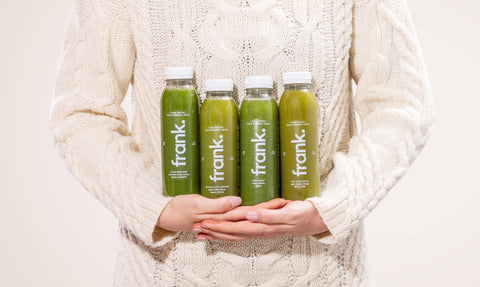
Our newest green juice combines refreshing lightness with green plant power, exotic flavour and a taste of home. With just 16 kcal per 100 ml, the green liquid is extremely low in calories for your body.
The ingredients cucumber juice, zucchini juice, coconut water, spinach juice, lemon juice and kale juice come together in this refreshing juice.
Lean Machine is available not only as a single bottle in the supermarket, or as a box of 8 in our online shop. You will find the green juice in these frank. juice cleanses:
- Juice cleanse Medium: 6 juices a day with a balanced mix of fruit and vegetables
- Juice cleanse Pro: 6 juices a day with 4 green vegetable juices and 2 fruitier juices
- Soup cleanse Medium: 5 juices and a soup a day with a balanced mix of fruit and vegetables
- Soup cleanse Pro: 5 juices a day and a soup with 3 green vegetable juices and 2 fruitier juices
- frank. gut cleanse: One of our frank. juice cleanses with two food supplements from our partner BIOGENA and the frank. organic tea Happy Stomach for optimal gut health
- frank. performance cleanse: One of our frank. juice cleanses with two food supplements from our partner BIOGENA and the frank. organic tea Re-Charge for plenty of energy in everyday life
- frank. beauty cleanse: One of our frank. juice cleanses with one food supplement from our partner BIOGENA and the frank. Care Bundle for your inner and outer beauty
- Mix and Match: You know exactly what you want? Then put together your own box - as an individual frank. cleanse or as a stock for home.
Is zucchini healthy?
Yes, especially for anyone who wants to eat light and keep an eye on calories. Zucchini is over 90 percent water, provides hardly any calories and still scores with potassium, a little vitamin C, folate and fibre. It also contains secondary plant compounds such as lutein, which has been linked to eye health in studies. Whether cooked, raw in a salad or as zucchini juice, this mild vegetable is easy to work into everyday life and rarely sits heavy even on a sensitive stomach.
How does zucchini work in the body?
Thanks to its high water and potassium content, zucchini supports fluid balance, while the fibre promotes healthy digestion and keeps you full for longer. Because it is so low in calories, it fits well into a mindful, light diet. In a cold-pressed juice the water-soluble nutrients are largely preserved, while the solid fibre is reduced.
Possible side effects of zucchini
Zucchini is generally very well tolerated. One point is important: if a raw zucchini tastes noticeably bitter, you should not eat it. The bitter taste points to a high content of cucurbitacins, which can cause stomach and bowel complaints. This mainly affects home-grown or wild-grown zucchini; shop-bought produce is practically always safe. If in doubt: bitter means bin it.
Nutritional values of zucchini (per 100 g)
| Nutrient | per 100 g (raw) |
|---|---|
| Calories | approx. 17 kcal |
| Carbohydrates | approx. 2 g |
| Fibre | approx. 1 g |
| Protein | approx. 1.2 g |
| Potassium | approx. 260 mg |
| Vitamin C | approx. 17 mg |
Prefer your zucchini ready to drink? Our Lean Machine combines zucchini, coconut water and spinach, cold-pressed and with just 16 kcal per 100 ml.