A new season can always be the starting shot for new habits. For "Slow Down September" we want to share food for thought, inspiration and tips with you to bring some calm into our everyday lives and to reflect: what did we experience over the summer? What did we find especially good for us? What came easily? What did we struggle with?
The vicious circle of negative stress
Stress comes from our environment, our body or our own thoughts. It can be divided into two types: eustress and distress.
When we're excited before an important presentation and our weekly HIIT session really makes us sweat, we talk about positive eustress. It keeps us alert, motivated and empathetic. But when we feel we can no longer cope with our everyday situation, that we're at the mercy of the tasks piling up and have lost control, stress becomes harmful to health. Chronically raised levels of the stress hormones (adrenaline, noradrenaline and cortisol) make us less productive. Even our defence system is affected, because in this supposed emergency the body "saves" on energy-hungry immune responses.
Do you know that feeling too? When one thing goes wrong, it feels like everything goes wrong one after another. Delays on the way to the office, stress in your relationship, long working hours and bad news on the evening news. The result: we feel more and more drained!
Tip #1: What went well today?
Because of evolution, we generally focus on bad news, problems and uncertainties, and unfortunately we very quickly block out moments of success.
If you tend towards gloom, which stresses you out even more, ask yourself regularly: what went well today? It could be a parking space you found quickly, a small compliment or good news from a friend. You can call these little moments of happiness to mind again on your way home from the office, on your afternoon walk or in bed in the evening. Keeping a diary, where you write down a certain number of (small or big) successes every day, helps especially. Bet that a lot soon builds up that you would have forgotten again if you hadn't written it down?
Write down the positive things to avoid stress.
Tip #2: Prioritise me-time!
Me-time, self-care, wellness: call it what you like, but do it! Ask yourself regularly what you need to get your own needs met too. That applies to work as well as your private life: you can only give your resources to other people in the long run if you also regularly take them for yourself. If you tend not to give yourself enough time, set a fixed time slot. How about a relaxing yoga session followed by a hot bath? A fasting programme such as intermittent fasting can also create more me-time. Here we tell you how.
Tip #3: Get out of the hamster wheel
Habits and routines are incredible game-changers in everyday life! It saves a lot of time and brain capacity if you do the same things every morning and evening. You also reduce the risk of forgetting tasks.
But exactly this hamster wheel can make you unhappy too: we may be missing new stimuli and inspiration. That's why it's all the more important to break up set daily routines at weekends or on holiday and deliberately do other things. Maybe it already helps if you do the opposite in your free time to what you do at work. If you have a job where you have to be constantly active, use your free time to relax and rest. If your work is rather calm and you sit a lot, be active in your free time and give your body some movement. Be spontaneous: what do you feel like doing?
Now Slow-Down
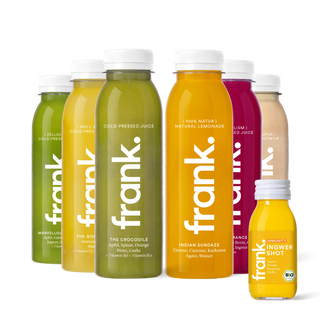
Use these tips to try to bring calm and composure into your everyday life. Give not only your mind the chance to recover and wind down, but your body too. As mentioned, intermittent fasting can create more me-time. But a juice cleanse can also give you a certain calm and an awareness of your sources of energy. It also takes the load off your body and gives you a better sense of your body.
A new season can always be a starting signal for new habits. As part of “Slow Down September” we want to share food for thought, inspiration and tips with you, to bring a bit of calm into our everyday lives and to reflect: what did we experience over the summer? What did us the most good? What came easily to us? What did we struggle with?
The Vicious Circle of Negative Stress
Stress arises from our environment, our body or our own thoughts. It can be divided into two kinds: eustress and distress.
If we are excited before an important presentation, or the weekly HIIT session really gets us sweating, we speak of positive eustress. It makes sure we are alert, motivated and empathetic. But if we feel we can no longer master our everyday situation, are at the mercy of the tasks piling up and have lost control, stress becomes harmful to health. Chronically elevated levels of stress hormones (adrenaline, noradrenaline and cortisol) make us less productive. Even our defence system is affected, because in the supposed emergency situation the body “saves” on energy-intensive immune reactions.
Do you know that feeling too? When one thing goes wrong, it feels like everything goes wrong one after another. Delays on the way to the office, stress in your relationship, long working hours and bad news on the evening news. The result: we feel more and more drained!
Tip #1: What Went Well Today?
Because of evolution, we generally focus on bad news, problems and uncertainties, and unfortunately we very quickly block out our successes again.
If you also tend to see the dark side, which stresses you out even more, ask yourself regularly: what went well today? It can be a parking space you found quickly, a small compliment or good news from a friend. You can call these little moments of happiness to mind again on the way home from the office, during your afternoon walk or in bed in the evening. Keeping a journal, in which you write down a certain number of (small or big) successes every day, is especially worthwhile. Bet that a lot soon builds up that you would have forgotten again by then if you hadn't written it down?

Document positive things to avoid stress.
Tip #2: Make Me-Time a Priority!
Me-time, self-care, wellness: call it what you like, but do it! Ask yourself regularly what you need to get your own share too. This applies to your work situation as well as to your private life: you can only give your resources to other people in the long term if you regularly take them for yourself too. If you tend not to make enough time for yourself, set a fixed time slot. How about a relaxing yoga session followed by a hot bath? A fasting cleanse such as intermittent fasting can also create more me-time for you. Here we tell you how.
Tip #3: Get Out of the Hamster Wheel
Habits and routines are incredible game-changers for everyday life! It saves a lot of time and brain capacity if you do the same things every morning and evening. On top of that, you reduce the risk of forgetting tasks.
But exactly this hamster wheel can also make you unhappy: we may be missing new stimuli and inspiration. That is why it is all the more important to break up rigid daily routines at the weekend or on holiday and deliberately do other things. Maybe it already helps if you do the opposite in your free time from what you do in your job. If you have a job where you have to be constantly active, use your free time to relax and rest. If your work is rather quiet and you sit a lot, be active in your free time and give your body some movement. Be spontaneous: what do you feel like doing?
Now Slow-Down
Try to bring calm and composure into your everyday life with these tips. Give not only your mind the chance to regenerate and come down, but your body too. As mentioned, you can create more me-time through intermittent fasting. But a juice cleanse can also give you a certain calm and an awareness of your sources of energy. On top of that, you give your body a break and get a better feeling for it.