In autumn it's important to get the right vitamin supply to make it through the cold season in good health. The dark, cool months are a challenge for our immune system. Here are the most important vitamins you should include in your diet in autumn.
Why vitamins matter in autumn
The importance of vitamin intake in the colder season
In autumn it's especially important to make sure you get enough vitamins. The colder season can weaken the immune system, and vitamins play a key role in supporting it. Vitamins like vitamin C, vitamin D and vitamin K in particular are important for protecting the body from harmful substances and illness. Vitamin C supports the immune system and can help your body's defences against colds. Vitamin D, often called the sunshine vitamin, is especially important in the dark months, as we get less sunlight. Vitamin K supports blood clotting and bone health.
Effects of a vitamin deficiency in autumn
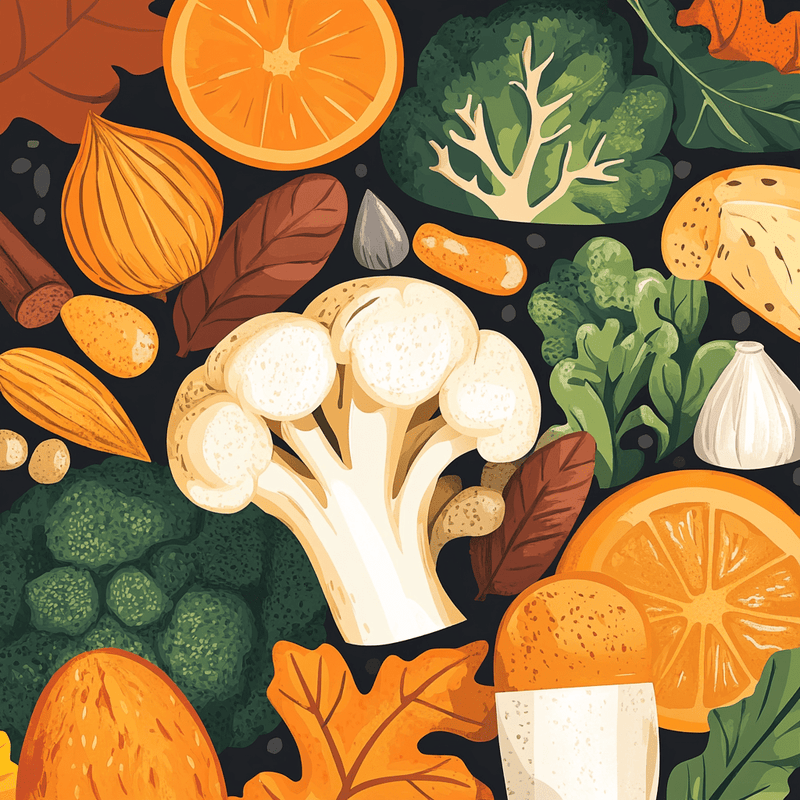
A vitamin deficiency in autumn can lead to various health problems, such as tiredness, weakness and susceptibility to infections. It's therefore important to eat a balanced diet and take in vitamins through foods like fruit and vegetables. A diet rich in vitamins can help support the immune system and protect the body from harmful substances. Foods like citrus fruits, broccoli, spinach and carrots are excellent sources of important vitamins and should be on your menu regularly.
Key takeaways
-
Vitamin C supports the immune system and your defences against colds.
-
Vitamin A supports vision and the immune system.
-
Vitamin D is important because we get less sunlight in autumn.
-
Vitamin E protects cells from harmful influences.
-
The B complex provides energy and supports the nerves.
Vitamin C: immune protection in autumn
Why vitamin C matters in autumn
Vitamin C is an essential vitamin that plays a key role especially in autumn. Looking after a strong immune system as early as autumn is important, as vitamin C supports the normal function of the immune system. It acts as a strong antioxidant and protects the body from oxidative stress, which matters especially in the cold season.
Foods with a high vitamin C content
To cover your vitamin C needs, you should include the following foods in your diet:
-
Citrus fruits (e.g. oranges, grapefruits)
-
Red bell peppers
-
Broccoli
-
Kiwi
-
Brussels sprouts (in season in autumn)
|
Food |
Vitamin C content (mg/100g) |
|---|---|
|
Oranges |
53 |
|
Red bell peppers |
128 |
|
Broccoli |
89 |
|
Kiwi |
92 |
|
Brussels sprouts |
120 |
Tips for optimal vitamin C absorption
To optimise your vitamin C absorption, you can follow these tips:
-
Eat fresh fruit and vegetables raw, as vitamin C is sensitive to heat.
-
Include foods with a high vitamin C content in your meals regularly.
-
Eat a varied diet to maximise nutrient absorption.
Vitamin C isn't only important for the immune system, it also supports wound healing and the absorption of iron in the body. With the right diet, anyone can support their immune system and stay healthy in autumn. Drinking fresh juice from fruits rich in vitamin C can be an effective way to increase your vitamin C intake.
Vitamin A: support for eyes and the immune system
The role of vitamin A in autumn
Vitamin A is important for vision and helps the eyes adjust to twilight, especially in the dark season. It also supports the immune system by strengthening the mucous membranes, which makes it harder for pathogens to get in.
Food sources of vitamin A
There are lots of foods rich in vitamin A. Here are some of the best sources:
-
Carrots
-
Spinach
-
Apricots
-
Liver
-
Sea fish
These foods often contain beta-carotene, which the body converts into vitamin A.
How vitamin A supports the immune system
Vitamin A plays a key role in supporting the immune system. It helps maintain the outer skin barrier, which serves as the first line of defence against pathogens. Getting enough vitamin A can improve the body's defences and so support health.
A balanced diet with enough vitamin A is especially important for staying healthy in the cold season.
Table: vitamin A content in foods
|
Food |
Vitamin A content (µg/100g) |
|---|---|
|
Carrots |
835 |
|
Spinach |
469 |
|
Beetroot |
33 |
|
Apricots |
96 |
|
Liver |
6000 |
|
Sea fish |
50-100 |
Vitamin D: the sunshine vitamin in the dark season

Why vitamin D matters in autumn and winter
Vitamin D is an essential hormone with many functions in the body, especially for the bones and the immune system. In the dark season it's especially important to have enough vitamin D, as the sun often doesn't shine enough to produce the necessary amount. Many people are low in this important vitamin in winter.
Sources of vitamin D in your diet
There are a few foods that contain vitamin D, but the amount often isn't enough. Here are some good sources:
-
Fatty fish (e.g. salmon, mackerel)
-
Egg yolk
-
Mushrooms (especially when exposed to UV light)
Tips for raising your vitamin D level
To raise your vitamin D level, these tips can be helpful:
-
Make use of sunlight: go outside as often as possible, especially on sunny days.
-
Adjust your diet: include foods with a high vitamin D content.
-
Food supplements: if needed, take vitamin D supplements, especially in the winter months.
Vitamin D is crucial for health, especially in the cold season. Make sure you get enough of it to support your immune system!
Vitamin E: protection for your cells
The importance of vitamin E in autumn
Vitamin E, also known as tocopherol, is an important vitamin that acts as a free radical scavenger. It protects our cells from harmful influences and helps keep cell membranes stable. Especially in autumn, when the immune system is put to the test, vitamin E plays a key role for our health.
Foods rich in vitamin E
There are many foods rich in vitamin E. Here are some of the best sources:
-
Plant oils (like sunflower and olive oil)
-
Nuts (especially almonds and hazelnuts)
-
Avocados
-
Egg yolk
-
Fatty fish
How vitamin E supports cell health
Vitamin E doesn't just act as an antioxidant, it has many other benefits too:
-
Protection from oxidative stress: it helps protect cells from damage by free radicals.
-
Support for the immune system: vitamin E supports the body's defences.
-
Promoting skin health: it can help protect the skin from UV rays and environmental influences.
Vitamin E is an essential nutrient that is indispensable for the health of our cells.
Overall, it's important to make sure you get enough vitamin E to support cell health and the immune system. It's a simple way to look after yourself and stay healthy in the cold season.
Vitamin B complex: energy and nerve strength
Important B vitamins for autumn
The vitamin B complex includes several vitamins that are important for our body. Especially in autumn, when the days get shorter, these vitamins are crucial for our energy and mood. The B complex vitamins shouldn't be overlooked when your mood is low.
Here are some important B vitamins:
-
Vitamin B1 (thiamine): supports carbohydrate metabolism and the nerves.
-
Vitamin B6 (pyridoxine): important for the formation of neurotransmitters.
-
Vitamin B12 (cobalamin): plays a role in the formation of red blood cells and in nerve function.
Foods with a high B vitamin content
To make sure you get enough B vitamins, you should include the following foods in your diet:
-
Wholegrain products
-
Pulses
-
Meat and fish
-
Dairy products
-
Nuts and seeds
The role of B vitamins for energy and nerves
B vitamins aren't only important for energy production, but also for the health of the nervous system. They help strengthen the nerves and stabilise mood. A lack of these vitamins can lead to tiredness and difficulty concentrating.
A balanced diet with enough B vitamins can help support energy and nerve strength in autumn. Juice cleanses can be an effective way to make sure you get enough vitamins and to boost your energy levels.
Juice cleanse: one way to take in vitamins
What is a juice cleanse?
A juice cleanse is a form of fasting where solid food is replaced by juices. Juices can be a good way to take in vitamins and nutrients, especially if you find it hard to eat enough fruit and vegetables. A juice cleanse can also help detox the body and support the immune system. During a juice cleanse, different fruits and vegetables are turned into nutrient-rich juices that give the body important vitamins and minerals.
Nutrition tips for an optimal vitamin supply in autumn
Seasonal foods for autumn
To be well supplied in autumn, it's important to choose seasonal foods. Here are some examples:
-
Pumpkin: rich in vitamins A and C.
-
Brussels sprouts: an excellent source of vitamin C.
-
Apples: good for general health and full of vitamins.
Combining foods for better vitamin absorption
The right combination of foods can improve vitamin absorption. Here are a few tips:
-
Combine fruit with nuts for healthy fats.
-
Eat vegetables with a little oil to increase the absorption of fat-soluble vitamins.
-
Drink smoothies to combine different vitamins in one meal.
Practical tips for a vitamin-rich diet
To make sure you get enough vitamins, keep these tips in mind:
-
Plan your meals ahead to choose healthy options.
-
Always keep fresh fruit and vegetables on hand.
-
Experiment with new recipes to bring variety to your diet.
A balanced diet is the key to getting through autumn in good health. Watch your vitamin intake! Overall, it's important to look for variety in your diet to get all the necessary vitamins. The right choice and combination of foods can help support the immune system and keep you healthy. The top 3 vitamins for autumn are C, D and A, which are especially important for supporting your defences against colds and promoting health. Juice fasting can be a practical way to make sure you get enough vitamins and to support your general health.
Food supplements: when do they make sense?

Pros and cons of food supplements
Food supplements can be a valuable addition to your diet, especially in the dark season. Here are some pros and cons:
-
Pros:
-
Cons:
When food supplements make sense in autumn
In autumn, when the sun shines less, it's especially important to watch your vitamin supply. A vitamin D deficiency can increase the risk of osteoporosis and, if you already have osteoporosis, raise the risk of a bone fracture. A vitamin D supplement can therefore make sense to support bone health.
Tips for choosing food supplements
If you decide to use food supplements, keep these tips in mind:
-
Find out about the ingredients.
-
Talk to a doctor to clarify your needs.
-
Choose products from trustworthy manufacturers.
Food supplements should always be seen as an addition to, and not a replacement for, a balanced diet.
Conclusion
In autumn it's especially important to get the right vitamin intake. The cold season brings many challenges for our immune system. Vitamins like C, A, E, B1 and D play a key role in staying healthy. They don't just support your defences against colds, they also support our general health. A balanced diet with lots of fruit and vegetables, such as citrus fruits, broccoli and nuts, can help supply the body optimally. That way we can enjoy autumn and stay fit.
Frequently asked questions
Why are vitamins important in autumn?
In autumn our immune system is under more strain as temperatures drop and cold viruses increase. Vitamins help support our immune system.
Which foods are rich in vitamin C?
Foods like oranges, kiwi, bell peppers and broccoli are excellent sources of vitamin C.
How can I raise my vitamin D level in autumn?
To raise your vitamin D level, spend as much time outdoors as possible and consider vitamin D supplements if needed.
What are good food sources of vitamin A?
You'll find vitamin A in foods like carrots, sweet potatoes, spinach and eggs.
How often should I take in vitamins in autumn?
It's important to eat a balanced diet every day to get enough vitamins. A 3-day juice cleanse can be an effective way to make sure you get enough vitamins in autumn.
Are food supplements worthwhile?
Food supplements can make sense if your diet isn't enough to cover your vitamin needs. A 5-day juice cleanse can be an effective alternative to food supplements for making sure you get enough vitamins.