Why we need to lose weight in a healthy way
Picture this:
-
53% of young adults are unhappy with their body and would like to lose weight. More than every second person wants to lose weight!
-
87% of the women and 76% of the men surveyed said they would like to eat more healthily. 8 out of 10 people want to eat healthier but don't manage it!
This is shown, among other things, by the study "Zukunft Gesundheit 2022" by vivida bkk and the foundation "Die Gesundarbeiter". More than 1,000 people in Germany aged between 14 and 34 were surveyed.
The typical yo-yo effect of crash diets: most people on diets lose weight in the short term and gain it back in the long term, often even ending up above their starting weight. Losing weight is one of our classic New Year's resolutions. It's easy for us to put the lost weight straight back on after a diet, even though we really don't want to! That's why it's important to lose weight with a healthy eating plan, so you can actually keep your goal weight.
Why we become overweight in the first place is another good and important question. Often there isn't one single trigger, but many lifestyle factors that cause our body weight to rise over time. If you'd like to find out more, we recommend our article "From stress to weight gain".
4 tips for losing weight with the right nutrition
The motto "Abs are made in the kitchen" is well known among bodybuilders - do you know it too? To get visible abs, the stubborn layer of fat on top has to go. But you can't reduce body fat in one spot, only across the whole body at once. Healthy weight loss takes time and calls for a holistic look at your everyday life. It has plenty of benefits, though! Alongside nutrition, that includes exercise, sleep and stress management - we explain these in our general basic rules for losing weight. Bet you'll suddenly start enjoying some of those routines? Here we introduce our 10 most important weight loss tips for your diet, whose key points are also recommended by the German Nutrition Society (DGE)!
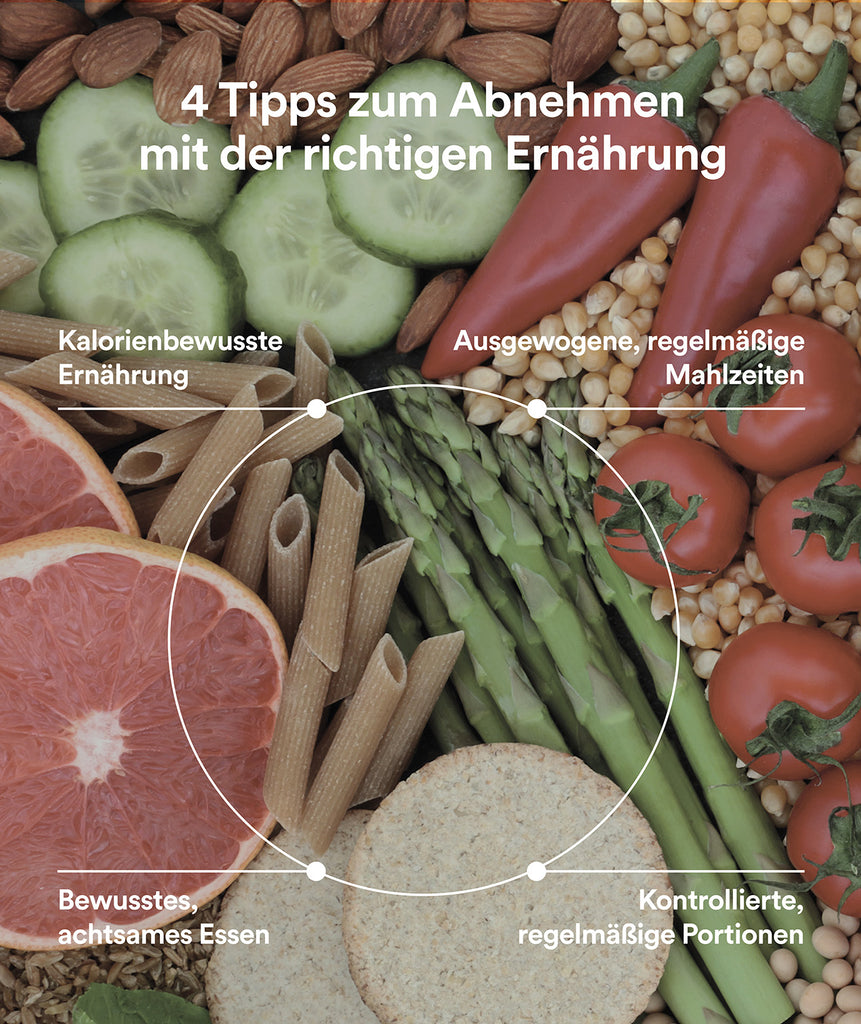
Calorie-conscious eating for weight loss
Calories are a unit of measurement for the energy contained in food.
In physics, one calorie is the amount of energy needed to raise the temperature of one gram of water by one degree Celsius. In nutrition, kilocalories (kcal) or simply "calories" are used, where 1 kcal is the amount of energy needed to raise the temperature of one kilogram of water by one degree Celsius.
Our body needs energy (calories) to keep vital functions going, such as breathing, heartbeat, digestion and maintaining body temperature. The energy we take in from food is used for physical activity and metabolism.
When it comes to managing our weight, the balance between the energy we take in from food and the energy we burn is crucial. If more calories are consumed than the body uses, this can lead to weight gain. If more calories are burned than consumed, it can lead to weight loss.
It's important to note that not all calories are equal, because different foods have different nutrient compositions. The quality of your food, your nutrient intake and the balance between carbohydrates, proteins and fats are also crucial for a healthy diet. If you're now asking yourself: "How useful is counting calories?", we have just the right article for you.
Balanced, regular meals for weight loss
All your meals should consist of a balanced mix of the three macronutrients: protein, carbohydrates and healthy fats. Not sure whether carbs have a place in healthy weight loss? Then check out our nutrition tips here: "Carbohydrates - good or bad?"
You should also keep an eye on how much fibre you eat per day. Swap wheat flour for wholegrain, it's that simple! Why foods that are as unprocessed as possible, like wholegrains, pulses and fresh vegetables, are so healthy is something you can read in our article "Fibre - why eat a high-fibre diet?". If you pay attention to this, you automatically cut down on ultra-processed foods, which are often high in sugar, salt and unhealthy fats. That helps you stay full for as long as possible after eating!
Controlled, regular portions for weight loss
Besides what's in your meals, how you eat matters too. Make sure you eat regularly to avoid cravings and overeating. If you're unsure about the best portion size for you at first, you can try counting calories. With healthy weight loss you shouldn't feel strong hunger, as that's a sign your calorie deficit is too big. Smaller plates can help you eat less, because they make portions look bigger.
Besides food, also make sure you get enough fluids! Drinking enough supports your goal of healthy weight loss, as it helps you feel full.
Mindful eating for healthy weight loss
Take your time when you eat and enjoy it consciously. This lets your brain recognise fullness better and prevents overeating. Don't eat when you're stressed, and create a relaxed setting for your lunch or dinner. That way you can notice your hunger and fullness signals better.
Do you tend to restrict your eating and often eat too much in stressful situations? Restrained eating is when counting calories and being hungry are part of everyday life. You eat as little as possible all the time so as not to go over your set number of calories per day. The aim is to be or stay slim. With strong emotions, whether positive or negative, the hunger becomes impossible to resist, control goes out the window and overeating follows. If that sounds familiar, read up on it in "Emotional eating - what's behind it?"!
How your metabolism is linked to healthy weight loss
Your metabolism plays a key role in weight loss, as it regulates how much energy your body uses. Here we explain the most important aspects, including basal metabolic rate, metabolic rate, insulin sensitivity, muscle mass and hormones. If you'd like to read more on this topic, we recommend our article: "What does metabolism actually mean?"
Basal metabolic rate (BMR): Your basal metabolic rate is the amount of energy your body needs to survive at rest, in other words to keep basic body functions going. That includes maintaining body temperature, organ function and cell metabolism. People with a higher basal metabolic rate burn more calories at rest.

Metabolic rate: Your metabolic rate is the total amount of energy your body burns per day, including activity outside of rest. This covers physical activity, digestion and other daily activities. A higher metabolic rate means your body burns more calories, which can help with weight loss.

Insulin sensitivity: An efficient metabolism is also linked to insulin sensitivity. Insulin is a hormone that regulates your blood sugar level and also affects your fat metabolism. Good insulin sensitivity makes it easier to process glucose and can help put your body into fat-burning mode.
Muscle mass: Your muscle tissue burns more calories than fat tissue, even at rest. That's why more muscle mass can raise your basal metabolic rate and boost your metabolism. This is why we recommend not just regular physical activity, but strength training in particular, which helps you build muscle.

Hormones: Various hormones, such as thyroid hormones, play an important role in your metabolism. A normal thyroid function is crucial for a well-functioning metabolism. Hormonal imbalances can affect your metabolism.
Losing weight successfully with the right calorie deficit
At what body weight should I lose weight?
The ideal body weight varies from person to person and depends on various factors, including body composition, muscle mass, fat distribution, state of health and genetic predisposition.
That's why it isn't possible to define one specific weight as the ideal for everyone. Instead, nutrition scientists and doctors often use the body mass index (BMI) to get a rough idea of weight in relation to height.
BMI: What body weight is healthy?
BMI is calculated by dividing weight in kilograms by the square of height in metres. The World Health Organization (WHO) defines the BMI ranges as follows:
-
Under 18.5: underweight
-
18.5-24.9: normal weight
-
25-29.9: overweight
-
30 or higher: obesity (divided into different grades, e.g. obesity grade I, II, III)
According to these categories, a BMI in the range of 18.5 to 24.9 is considered a healthy normal weight. Statistically, people with a BMI in this range have a lower risk of certain health problems than people with a BMI outside it.
Keep in mind that BMI has its limits! It doesn't take body composition, muscle mass or the distribution of body fat into account. People with a lot of muscle mass can have a higher BMI without being overweight or obese. For a more complete assessment of health, it's advisable to also consider information such as waist circumference, body fat percentage and individual health conditions. Besides muscle mass, fat distribution can also make a big difference to the overall picture. A healthy weight isn't just about looks, but about health too.
Excess body fat, especially visceral fat (fat around the organs), can increase the risk of various health problems such as cardiovascular disease, type 2 diabetes and certain types of cancer.
If you're unsure whether you should lose weight, it's best to consult a healthcare professional such as a doctor or nutrition adviser. They can carry out a comprehensive assessment of your health and give you individual recommendations based on your specific circumstances. The goal should always be to reach and keep a healthy, sustainable weight, rather than focusing on unrealistic or extreme targets.
Calculating your calorie needs for healthy weight loss
Calculating your basal metabolic rate for healthy weight loss
To work out the optimal calorie deficit you need your basal metabolic rate. It tells you how many calories you need to keep your basic functions going.
There are various methods to estimate the basal metabolic rate (total calorie needs at rest). One of the most commonly used formulas is the Mifflin-St Jeor formula:
For men: BMR = 10 × weight (in kg) + 6.25 × height (in cm) - 5 × age (in years) + 5
For women: BMR = 10 × weight (in kg) + 6.25 × height (in cm) - 5 × age (in years) - 161
Keep in mind that these formulas are estimates and don't account for individual variation due to muscle mass, body fat percentage and other factors. For a more precise determination of your basal metabolic rate, special measurements are carried out, such as spirometry.
Calculating your total calorie needs for healthy weight loss
To work out your total calorie needs, you now multiply your basal metabolic rate by an activity factor (the so-called PAL value), which reflects how active you are in everyday life.
Sedentary lifestyle (little or no physical activity): Total calorie needs = BMR x 1.2
Lightly active (light physical activity or regular exercise 1-3 days per week): Total calorie needs = BMR x 1.375
Moderately active (moderate physical activity or regular exercise 3-5 days per week): Total calorie needs = BMR x 1.55
Very active (high physical activity or regular intense exercise 6-7 days per week): Total calorie needs = BMR x 1.725
Extremely active (very high physical activity, physically demanding work or intense training plus additional activities): Total calorie needs = BMR x 1.9
The resulting PAL value tells you how many calories you need each day to maintain your current weight. If you want to lose weight in a healthy way, you'd need to take in fewer calories than you burn.
How can I reduce my weight healthily and keep it off long term?
Reducing your body weight healthily over the long term takes a holistic approach that includes nutrition, exercise and lifestyle changes. Here are some tips that can help you reduce your weight sustainably and keep it off - the opposite of crash diets!
Set realistic goals and keep track of them: Set realistic, achievable and long-term goals for your weight loss. Small, sustainable changes are more effective in the long run than restrictive diets you may not be able to stick to for long. Weigh yourself regularly to measure your progress and adjust your goals if needed. It's not just about losing weight, but about building healthy habits you can keep for good!

Make sure you have a calorie deficit: Aim for a moderate calorie deficit to lose weight. While a deficit that's too big is hard to keep up and not sustainable long term, one that's too small can mean you lose weight only very slowly, or not at all because of fluctuations and tracking errors. In general, it can help to count calories at the start to get a feel for the right amounts and energy content for you.

Change your diet: Change your diet in small steps! Plan delicious, nutrient-rich, freshly cooked meals that you enjoy. Aim for a balanced mix of vegetables, fruit, wholegrains, lean protein and healthy fats. If you're a snacker, choose healthier options or keep portions small to maintain your calorie deficit. You'll find more in our articles "Healthy vs. unhealthy snacks" and "Healthy snacks on the go".
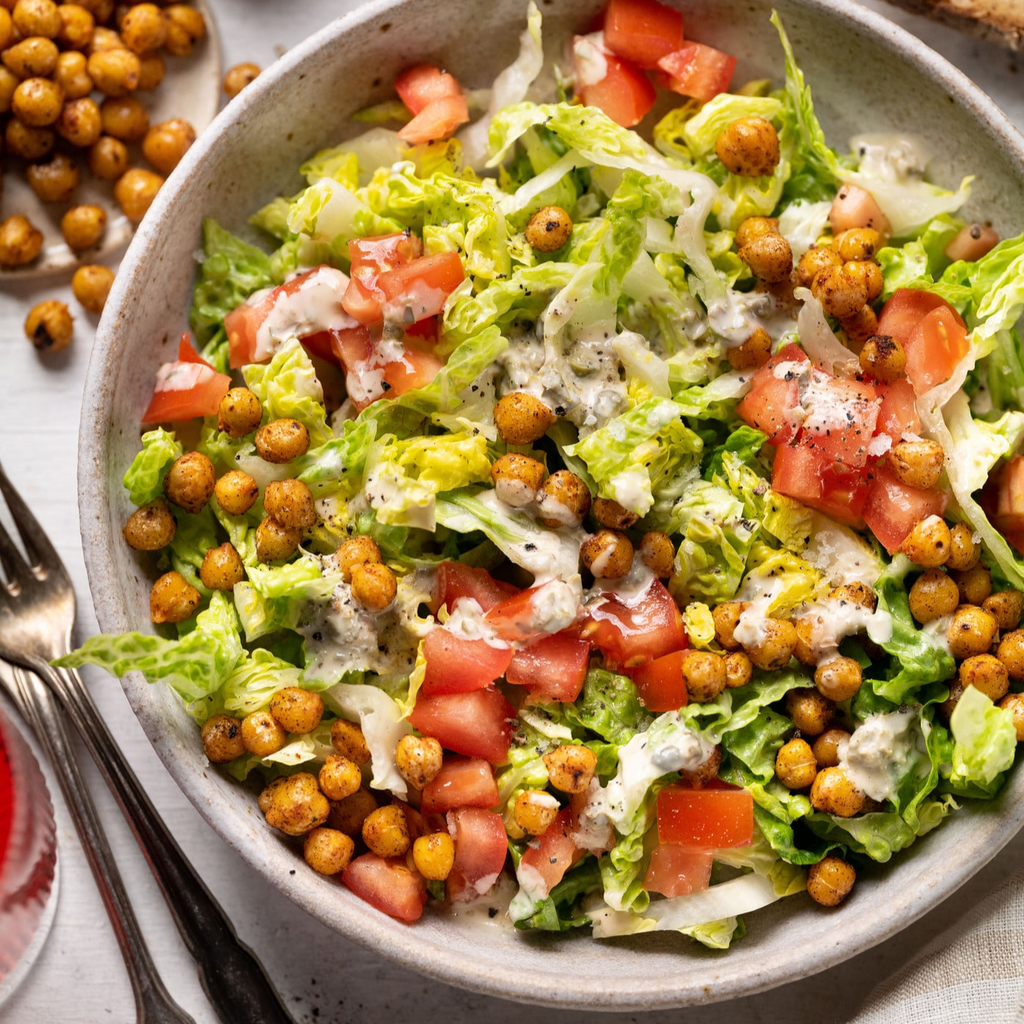
Drink enough: Take in enough fluids throughout the day! 2-3 litres is a good guideline, though several factors change how much you need. Sometimes thirst is mistaken for hunger, so drinking enough between meals can help prevent overeating. Try to cover most of your fluids with water and unsweetened tea. Cold-pressed fruit and vegetable juices and coffee can count now and then too.
Maximise movement: Every little bit helps! Increase your physical activity by walking or cycling short distances. Take the stairs instead of the lift and spend your lunch break outdoors. We also recommend doing endurance and strength training every week to support fat burning and maintain muscle mass.

Minimise negative stress: While sport, sauna and the like are positive stress, other factors can mean negative stress for your body and lead to unhealthy eating behaviour. Find ways to balance stress and relaxation with calming hobbies that bring you joy.

Consult experts: If you're unsure about anything, we always advise getting individual advice from a trained nutrition adviser, health expert or qualified doctor.

If you want to know exactly which nutrients your meals should contain, we recommend our article "What are nutrients and which ones are there?". If you want an easy and convenient way to cover your bases, we recommend our basic nutrient supply "Daily Complete". Standing in front of the vegetable shelf, you may wonder whether to buy organic-certified or regional vegetables. For that, we recommend our article: "Organic-certified or regional vegetables?". To enjoy freshly cooked food in a busy everyday life, we recommend meal prep! You prepare several dishes at once, in a relaxed way, and on the following days you can simply take ready meals out of the fridge. You'll find more in our article "How does meal prep work?".
Which drinks are good for healthy weight loss?
In the last section we already mentioned that drinking enough, and regularly, matters for healthy weight loss too. Since "empty" calories from refined sugar love to hide in drinks as a trap, watch out for that here as well if you want those pounds to melt away! Here we introduce a range of drinks that are not only ideal for healthy weight loss but taste great too.
Water: Plain mineral water is the classic and should be what you mostly drink to cover your daily fluid needs. It contains no calories and shines with essential minerals, which are lost through sweat, especially during exercise. If you like it, go for still mineral water, as studies have found that sparkling water can slightly increase hunger.
Infused water: Give your water flavour by adding fruit, vegetables or herbs. That can help you drink more water without adding extra calories. Have you ever tried putting thin slices of ginger in your water? We love ginger not only in our ginger shots, but also in warm or cold water with lemon. Did you know that spicy food can be good for the body? In the article "Is spicy food good for the body?" you can read more!

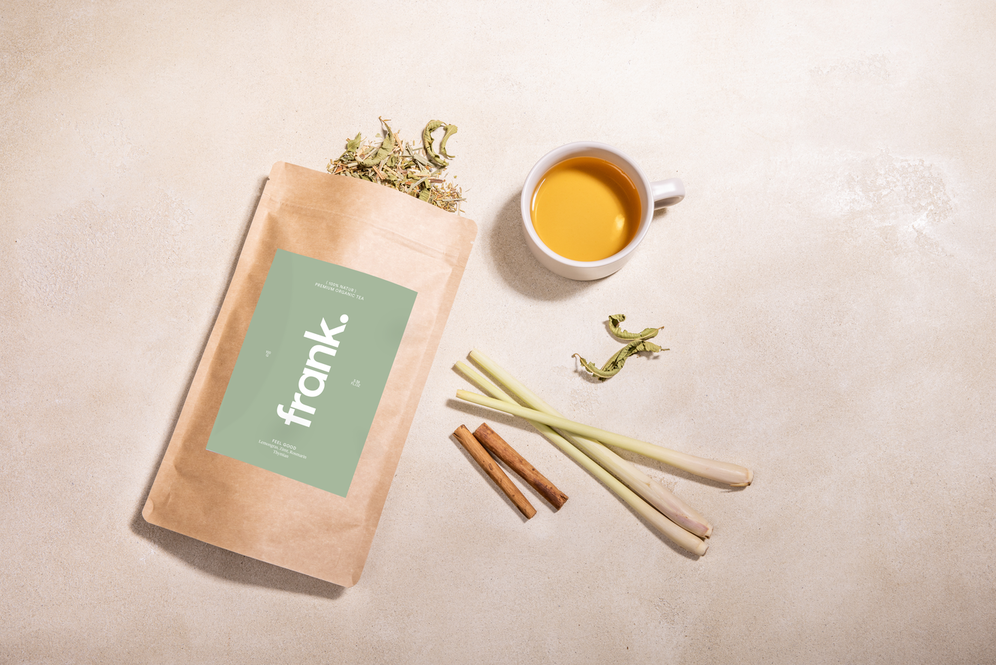
Tea: Whether herbal tea or green, black or white tea: they taste good hot, often cold too, which makes them perfect if plain water seems too bland to you. Ideally enjoy it without sugar. On top of that, green, black and white tea contain caffeine, which suppresses your hunger a little and keeps you awake. From late afternoon we recommend skipping caffeinated drinks so you can sleep well. Do you already know our range of frank. Tea? While "Re-Charge" is a blend of green and white tea with berries and so works perfectly as a coffee replacement, we drink the lemony, cinnamon-y "Feel Good" throughout the day, "Happy Stomach" when your tummy is rebelling and "Calm Down" in the evening on the sofa.
Fruit and vegetable juices: Freshly pressed and unheated, in raw-food quality, is the best option. Since pressing is a lot of work, we turn to our cold-pressed juices. Slightly diluted or even straight, they are a real treat, and their handy size makes them easy to take with you.

Protein shakes: Protein shakes can serve as a meal replacement or snack, especially when made with water or low-fat dairy or plant-based milk. They help increase your feeling of fullness and minimise muscle loss during weight loss. Do you already know our vegan protein powder "The Essential"? It contains only protein sources, with no additives or flavourings. Perfect for your healthy weight loss goal!
Weight loss and healthy eating with fewer calories
Different ways of eating for healthy weight loss
There are various ways of eating for healthy weight loss! What matters is that you choose one that suits your taste, your preferences and your everyday life. That's why not every way of eating is right for everyone! Get to know different approaches here and find the one that's perfect for you to lose weight in a healthy way.
Mediterranean diet: This way of eating emphasises fruit, vegetables, wholegrains, healthy fats (olive oil, nuts, avocado) and lean protein (fish, poultry). It is often associated with a lower risk of heart disease, as the amount of antioxidants from secondary plant compounds in these foods is high. Want to know more? Here's the article "Secondary plant compounds and their effects".

Intermittent fasting: This is less about what you eat and more about when you eat. There are various approaches to intermittent fasting, but generally periods of eating alternate with periods of fasting. Popular methods are 16/8 intermittent fasting (16 hours of fasting, 8 hours of eating) or 5:2 fasting (5 days of normal eating, 2 days of fasting).

Vegetarian or vegan diet: Giving up meat (vegetarian) or all animal products (vegan) can be an effective way to reduce calorie intake and increase your consumption of plant-based foods. If these ways of eating interest you, we recommend our article "Vegan or vegetarian - which suits you best!".

Low-carb diet: On a low-carb diet, you cut back on carbohydrates, especially refined sugar. In return, the protein share of your meals goes up, for example by adding a protein powder. For endurance athletes, on the other hand, carbohydrates are extremely important for performance - we don't recommend low carb here! A crash diet can also follow the low-carb approach, but then the yo-yo effect looms. If you'd like to find out more, we recommend our article "Low carb vs. high carb diet".
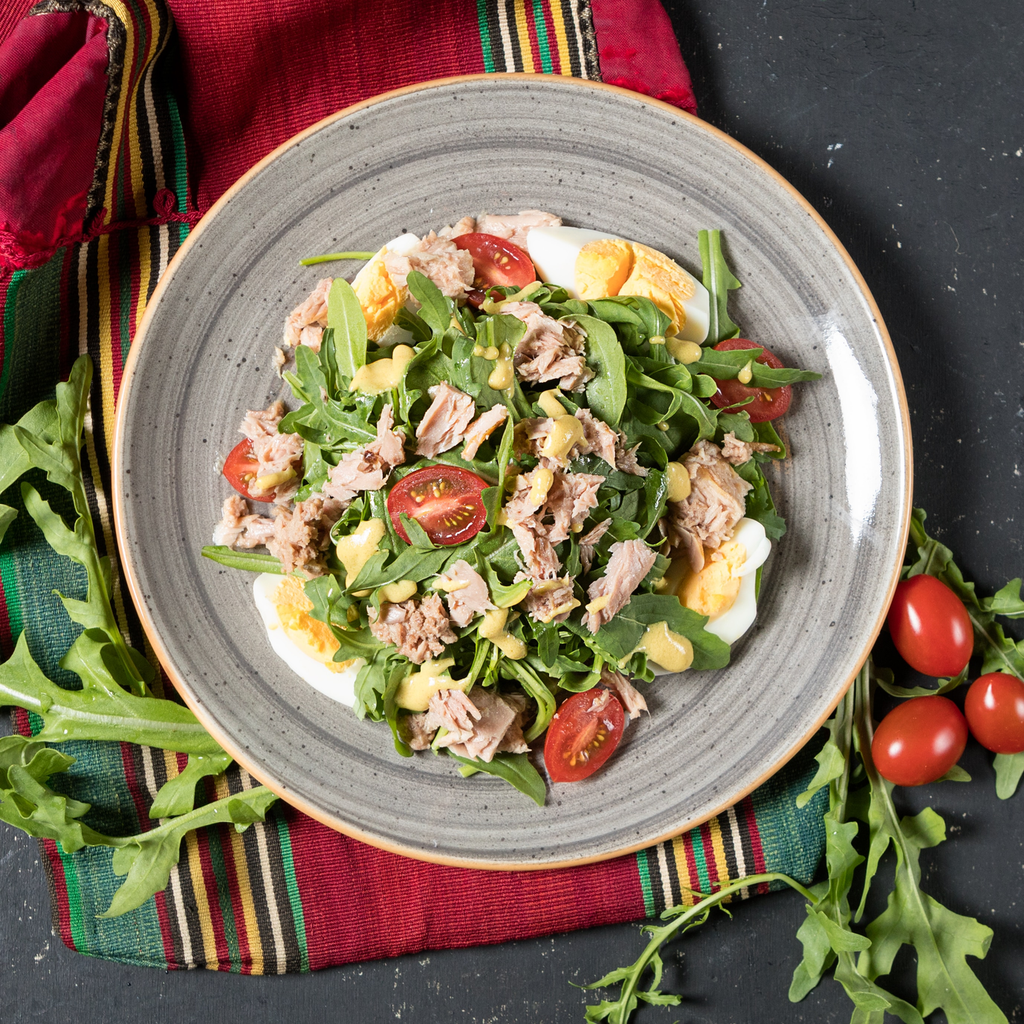
Ketogenic diet: The ketogenic diet is similar to fasting in that ketones serve as the body's energy source. So on a ketogenic diet you are in ketosis, just like when fasting. You get there by taking in your food energy mainly from fat. Popular keto foods include cream, Greek yoghurt, fatty meat and butter.
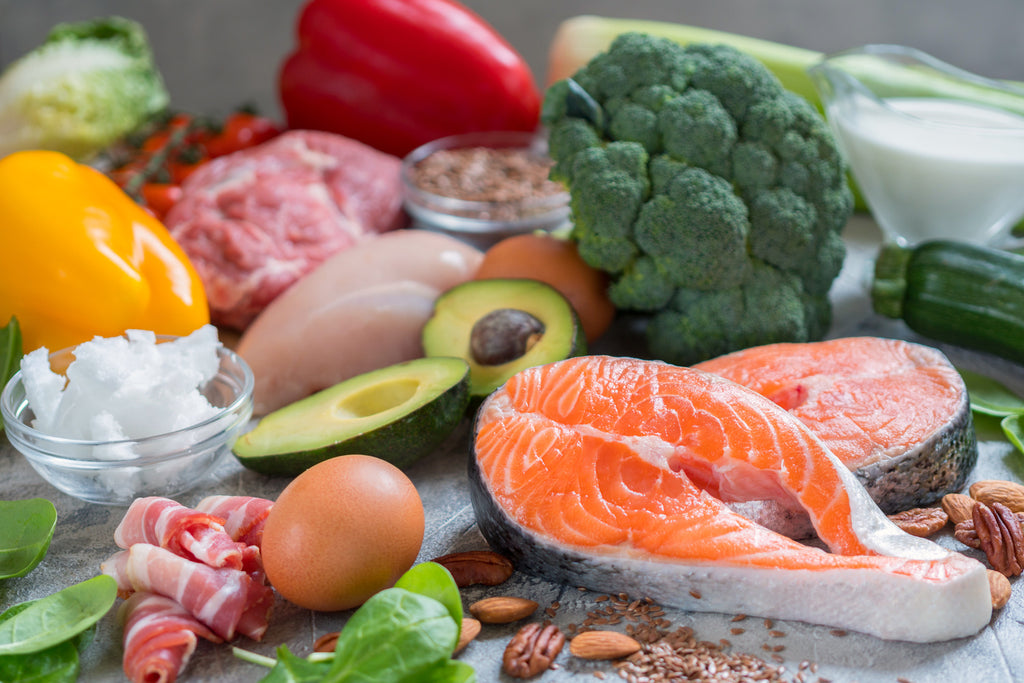
Alkaline diet: The alkaline diet, also known as the alkaline or basic diet, focuses on eating foods that influence the body's acid-base balance. This way of eating emphasises alkaline foods such as fruit, vegetables, nuts and seeds, while acid-forming foods such as meat, dairy and refined products are reduced or avoided. If you'd like to find out more, check out the article: "Lifehack: An alkaline diet in everyday life".
Ayurvedic diet: The Ayurvedic diet is an integral part of Ayurveda, a traditional holistic health system that originated in India. Ayurveda sees each person as a unique individual with a unique constitution (Prakriti) and an individual balance of the three doshas: Vata, Pitta and Kapha. These doshas represent different combinations of the five elements (earth, water, fire, air and ether) that exist in the body. The Ayurvedic diet aims to maintain or restore the balance of the doshas to promote optimal health and wellbeing. If you'd like to find out more, we recommend this article: "The Ayurvedic diet in everyday life".

These foods help you lose weight
Some foods not only taste great but also fill you up particularly well and keep you full for a long time. We list them for you here!
Vegetables: Low in calories, high in fibre and packed with nutrients, vegetables are an excellent choice for a weight-reducing diet. Broccoli, spinach, carrots, peppers and leafy greens are good options. If chopping vegetables feels like too much effort, we recommend our green, cold-pressed juices. Do you already know our Green Juice Bundle? It's perfect for trying them out!

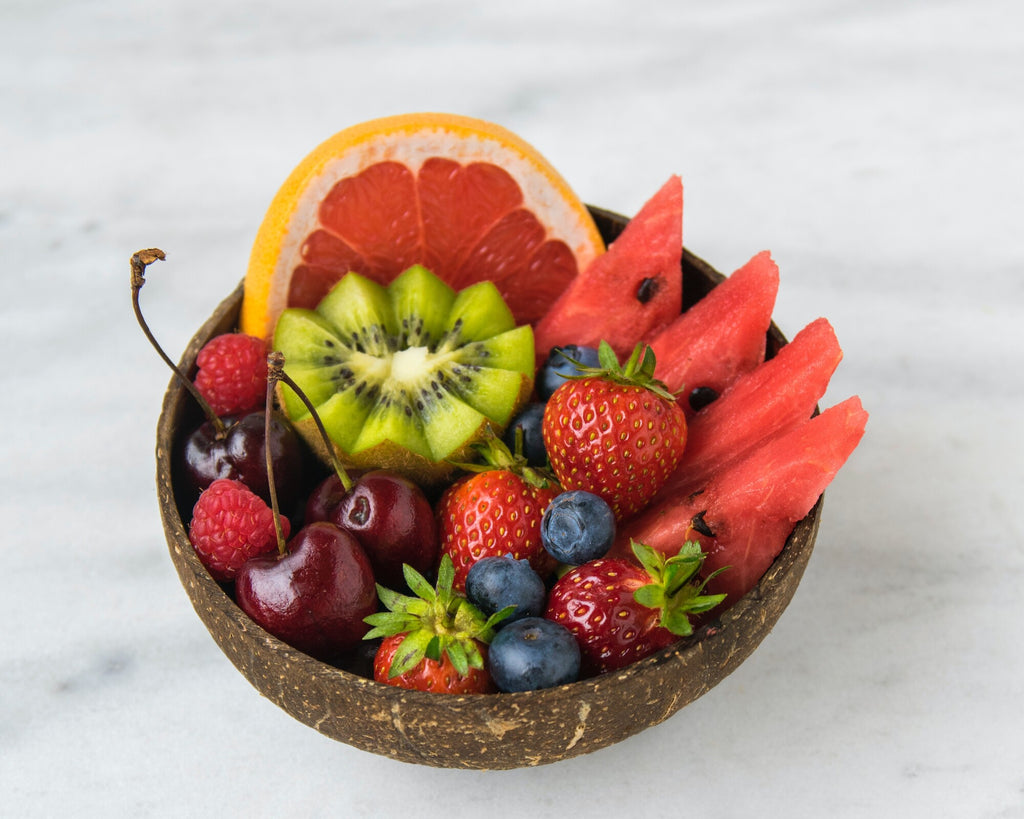
Fruit: Fruit is rich in fibre and antioxidants. Berries such as raspberries, blueberries and strawberries are low in calories and high in nutrient density. Our Roots & Fruits Juice Bundle combines tasty fruit with root vegetables in cold-pressed juices - guaranteed delicious and nutrient-rich! If you're wondering whether fruit sugar is healthy in general, you can read on in the article "Is fructose healthy?"
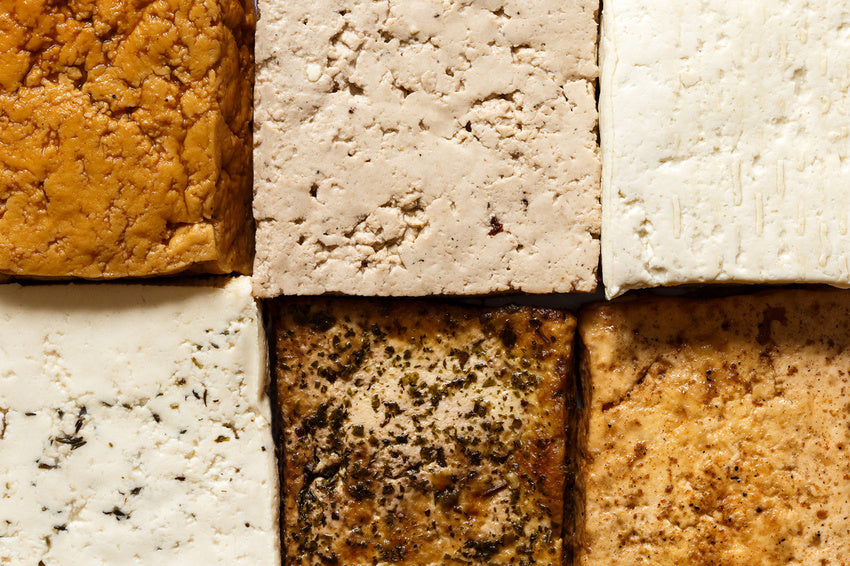
Lean protein: Protein supports your feeling of fullness and helps maintain muscle mass during weight loss. It's also important for building body structures, your immune system and your metabolism. Lean protein sources include chicken, turkey, fish, eggs, tofu and pulses. A simple and convenient option is adding protein powder. Just stir the powder into your morning shake!
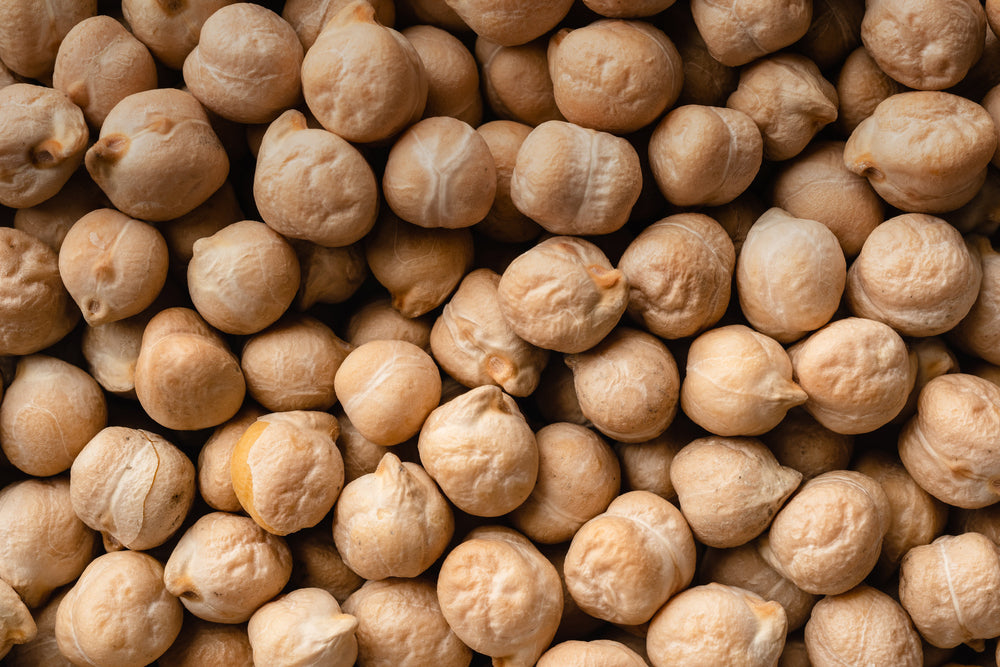
Pulses and wholegrains: Beans, lentils and chickpeas, just like oats, quinoa, brown rice and wholegrain bread, are rich in fibre and protein, which can lead to a long-lasting feeling of fullness. At lunchtime we love our tasty Soups with a slice of wholegrain bread.
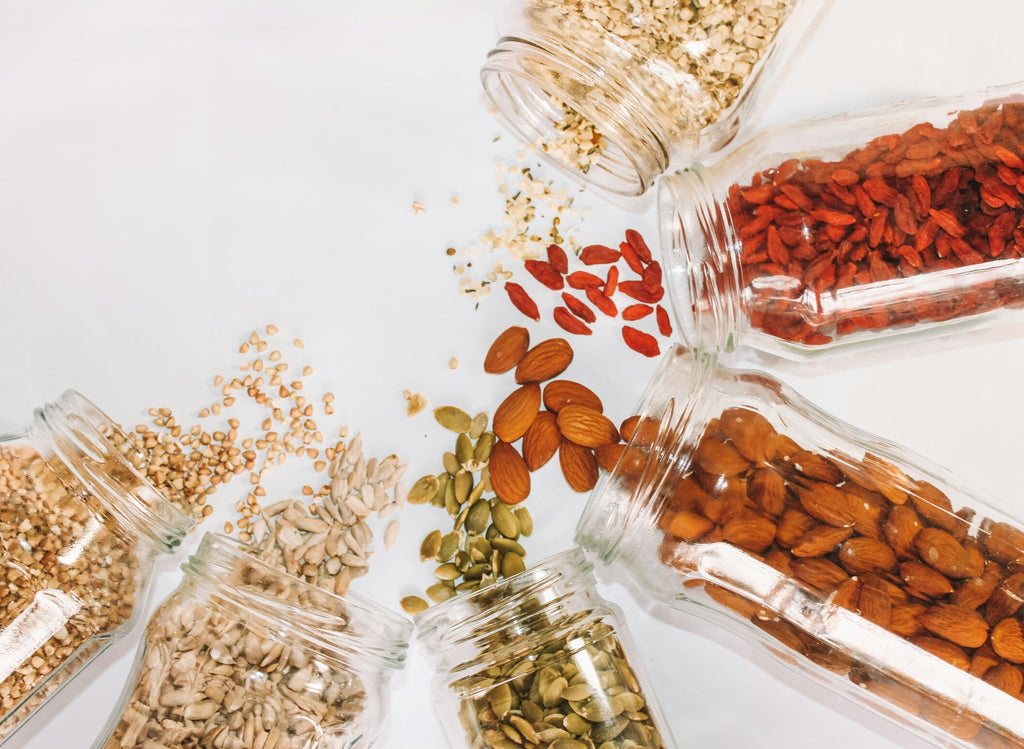
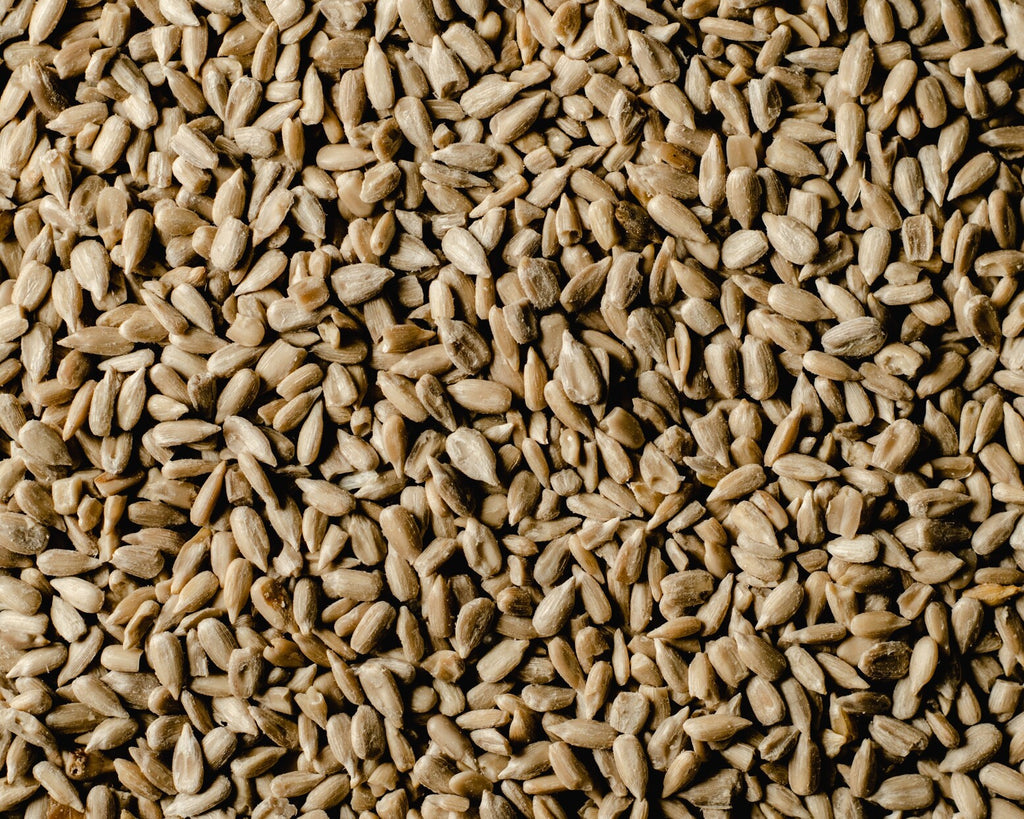
Nuts and seeds: Nuts and seeds contain healthy fats, protein and fibre. They're a great snack alternative to crisps, but watch the portion sizes because of their higher calorie content.
Low-fat dairy: If you eat dairy, low-fat yoghurt, milk or cheese can be a good source of calcium and protein.

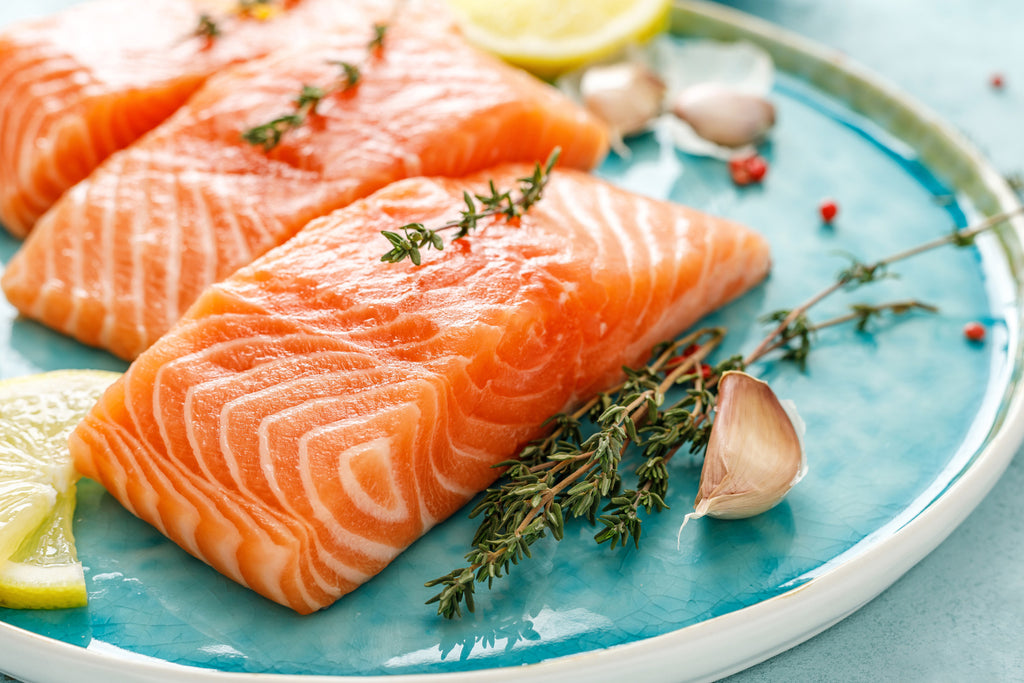
Fish: Oily fish such as salmon, mackerel and tuna provide omega-3 fatty acids and high-quality protein. If you don't eat fish, we recommend a high-quality omega-3 supplement, as these fatty acids have anti-inflammatory effects and are good for your health.
Losing weight healthily with green, cold-pressed juices
Green, cold-pressed juices are considered an insider tip among the health-conscious. In fact, they can be a healthy part of a balanced diet and can contribute to weight loss. Here are some reasons why green juices can be helpful:
Nutrient-dense ingredients: Green juices often contain a variety of nutrient-rich ingredients such as leafy greens, fruit, nuts or seeds. And all without any effort! Take it out of the fridge, twist off the lid and enjoy.
Water content: Green juices have a high water content, which can help hydrate the body and increase the feeling of fullness.
Calorie control: If you have green juices instead of high-calorie snacks, they can help control your overall calorie intake.
Keep in mind, though, that green juices alone are not the ultimate solution for weight loss. A balanced diet and regular exercise are crucial. Here are some tips to make sure you enjoy green juices in a healthy context:
A balanced ratio of fruit and vegetables: Fruit gives green juices a fruity note but contains more sugar. That's why our green juices combine different kinds of fruit and vegetables in smart ways, bringing great taste together with valuable nutrients.
Adding protein: Want to turn your cold-pressed juice into a shake? Add protein-rich ingredients such as yoghurt, almond butter and protein powder to boost the feeling of fullness.
These foods you should definitely cut from your meal plan
Hold on, stop! There are no specific foods that should be universally cut from your meal plan, unless you have an allergy or intolerance! The key to successful and sustainable weight loss is a balanced meal plan based on your individual health goals. Even highly processed sweets shouldn't be cut out completely, just limited, or swapped for a healthier alternative that you also like a lot. Be careful with these food groups:
Sugary drinks: Reduce or avoid sugary drinks such as fizzy drinks, energy drinks and sweetened teas.
Highly processed foods: Reduce your consumption of highly processed foods such as fast food, ready meals and snacks. They often contain lots of empty calories, saturated fats and additives.
Fats and oils high in trans fats: Avoid foods that contain trans fats, such as some fried foods, industrially produced baked goods and certain margarines. Don't know the difference between the various fatty acids? Then read up right here: "Differences between saturated and unsaturated fatty acids"
White carbohydrates: Reduce your consumption of refined carbohydrates such as white bread, white rice and white pasta. Replace them with wholegrain alternatives to get more fibre and nutrients. They keep you full for longer and so help you lose weight!
Alcohol: Alcohol contains lots of empty calories and can lower your inhibitions around food, which can lead to overeating. Cut back on alcohol for your health!
Losing weight healthily after a juice cleanse
A fasting cleanse, whether with juices, soups or dried meals like in our food cleanse, can have various positive effects on your body. Here are some ways a fasting cleanse can contribute to losing weight in a healthy way:
Calorie reduction: Temporary fasting reduces your calorie intake and puts you in a calorie deficit. That means you lose weight during the cleanse. It can be a motivating kick-off to a longer-term, sustainable weight loss journey!
Metabolic adaptations: Periodic fasting, for example if you do a 3-day juice cleanse every month, or intermittent fasting with our intermittent fasting programme, can help your body tap into fat reserves more efficiently.
Insulin sensitivity: Fasting can improve your insulin sensitivity. Improved insulin sensitivity makes it easier for the body to process glucose efficiently and can help reduce fat reserves.
Anti-inflammatory effects: Some forms of fasting may have anti-inflammatory effects. Chronic inflammation in the body is sometimes linked to weight gain. Reducing inflammation may support weight loss.
Mindful eating: A period of fasting can also make people deal with their food more consciously. After fasting, some people choose healthier foods and develop healthier eating habits over the long term.
What we take from this: the more flexible, open and intuitive we are about our eating behaviour in everyday life, the easier it is to influence our body weight positively in the long run. That's why our cleanses are designed for a limited period: alongside the positive effects of fasting on the body, they sharpen your awareness for everyday life, so that after the cleanse you make choices that support your health. That means you don't reject any foods categorically, you just adjust the amount. How about one more nutrient-rich juice a day and one fewer chocolate bar?
You can read more in the two articles "How useful is a juice cleanse before changing your diet?" and "Can I lose weight with a juice cleanse?".
Is breakfast good for healthy weight loss?
Many people stop eating breakfast when they want to lose weight. The method is easy to put into practice and therefore especially popular, as many people have little time and no big appetite in the morning. On top of that, breakfast is often low in nutrients and high in refined sugar (sweetened breakfast cereals, chocolate spreads, sweet bakery treats, etc.).
In principle, this extends your overnight fast, and your method gets a name: intermittent fasting.
But is skipping the morning meal really that beneficial? Let's take a look together at two studies on breakfast.
A big breakfast is beneficial for healthy weight loss
A big breakfast is said to provide longer-lasting fullness for the rest of the day than a small one. In the recently published study by Brandhorst and Longo, different diet models were tested on overweight participants. The macronutrient distribution was always the same: all participants got meals made up of 30% protein and 35% each of carbohydrates and fats. The distribution of total daily calories across individual meals varied slightly: one group got 45% at breakfast and the remaining 20% in the evening, the other group exactly the other way round. At lunch, both groups got 35% of total calories.
Both groups tested each of the two methods for 4 weeks, recording their subjective feeling of hunger several times a day, along with objective levels of the appetite-regulating hormones leptin and ghrelin. The results showed that the bigger breakfast led to significantly less hunger over the day. From this it was concluded that a bigger breakfast may be more beneficial for weight management.
Does breakfast not only support healthy weight loss, but make you smarter too?
How is students' academic performance linked to their eating habits? A study with almost 600 students was published in the "Journal of American College Health" in 2019.
While grade point average didn't change with weekly consumption of fruit and vegetables, the researchers found the following: eating fast food had a negative effect on grade point average, while eating breakfast had positive effects.
Of course, it's worth mentioning the difference between correlation and causation here: eating breakfast alone doesn't automatically lead to better grades, but it could still be a contributing factor to better performance.
Conclusion: breakfast can be healthy for weight loss, but doesn't have to be!
The two studies suggest that breakfast can still have its place in everyday life. But what should the perfect breakfast look like, especially when you have hardly any time because you go to the gym before work?
If you go jogging, a juice as a morning energy source may be just the thing for you. If strength training is on the programme, a shake with our protein powder, oats and bananas can be perfect. With frank. there are basically no more excuses for not having time for breakfast. But if you're not hungry and intermittent fasting without breakfast works better for you, that can help you too!