


















Iron is an important trace element that our body urgently needs. It plays a central role in producing haemoglobin, the protein in our red blood cells that carries oxygen around the body. Without enough iron, our body can't make enough haemoglobin, which can lead to tiredness, weakness, trouble concentrating and a higher risk of infections.
But did you know that there are a few factors that can drain iron from your body? If you know these causes, you can do more about low iron or even prevent it. In the next sections of this blog article you'll learn more about these causes and how you can protect yourself. I'll also show you which frank. product helps you take in iron in a natural way.

What causes iron deficiency? Too little iron in the body
Iron deficiency can happen for many different reasons. Let's look at the most common causes that can lead to your body losing iron.
A low-iron diet, especially for vegetarians and vegans
One of the most common causes of iron deficiency is a diet that doesn't contain enough iron-rich foods. If you eat vegetarian or vegan, you have a higher risk of low iron, because plant foods often contain less readily available iron than animal products. You'll find iron mainly in red meat, poultry and fish, but also in legumes and green leafy vegetables. Your body absorbs iron from animal sources (haem iron) much more easily than iron from plant sources (non-haem iron). But don't worry, there are tricks to improve the absorption of plant-based iron. For example, it helps to eat vitamin C from citrus fruit, red peppers or strawberries together with iron-containing foods. So as a vegan or vegetarian you can also get enough iron, if you know how.
Menstruation
Women who have their period lose blood regularly - and with it iron. This raises their risk of low iron. If you don't get enough iron from your diet or from supplements during your period, it can lead to a deficiency. That's why it's important to pay attention to an iron-rich diet especially during this time.
Pregnancy
During pregnancy your body needs more iron to produce extra blood for your growing baby. Many pregnant women find it hard to cover this higher need through their diet alone, which can lead to low iron. That's why it's often recommended to pay attention to iron-rich foods during pregnancy or, after talking to a doctor, to take iron supplements.
Blood loss and illness
Bleeding from injuries or operations can also lead to low iron. Chronic conditions such as inflammatory bowel disease, coeliac disease or gastrointestinal bleeding can also disturb the absorption and storage of iron in the body. If you have one of these conditions, it's especially important to keep an eye on your iron level.
Medication or food interactions
Certain medications, such as proton pump inhibitors (PPIs), which are used for stomach complaints, can affect the absorption of iron. Having tea, coffee or dairy products at the same time can also reduce iron absorption. So it's good to know which foods or medications influence iron absorption, so you can take the right steps.

What robs your body of iron?
Low iron can have many causes, which often occur at the same time and are linked to each other. Here are some of the most important factors that can drain iron from your body.
Unfavourable eating habits
If your diet mainly consists of processed foods, fast food or sugary drinks, this can get in the way of iron absorption. This kind of diet often doesn't deliver the nutrients your body needs and can lead to you taking in too little iron. Foods that contain calories but hardly any valuable nutrients are especially problematic, because they don't give the body what it needs to stay healthy.
Phytates and oxalates
Certain plant compounds, such as phytates and oxalates, can block iron absorption in the gut . You'll find phytates in wholegrain products, legumes and nuts, while oxalates occur in spinach, rhubarb and some other vegetables. These substances bind to the iron in your food and make it harder for your body to use. So if you eat a lot of these foods, you should know that they can affect iron absorption.
Tannins and polyphenols
Tannins and polyphenols, which are found in drinks like tea, coffee and red wine, can also inhibit iron absorption. They promote the formation of poorly soluble compounds with iron in the gut, so less iron reaches the blood. A simple tip to get around this is not to drink tea or coffee directly with meals, but a little later.
Calcium and phosphate
Calcium and phosphate, especially when they come in large amounts from dairy products, can affect the absorption of iron from your food. These minerals react with iron in the gut and form compounds that the body can hardly absorb. So if you consume a lot of milk or dairy products, it could help to combine them with plant-based alternatives to optimise iron absorption.
Medication
Some medications, such as stomach acid blockers, proton pump inhibitors or antacids, can disturb iron absorption by reducing the production of stomach acid. Stomach acid, however, is important for releasing and absorbing the iron from food. If you take such medication regularly, this can affect your iron balance.
Blood loss and iron deficiency anaemia
Blood loss is a direct cause of iron loss. Chronic bleeding in the gastrointestinal tract, as occurs with some inflammations, or heavy and long-lasting menstrual bleeding in women can lead to a considerable loss of iron. In the end this can lead to iron deficiency anaemia, where your body doesn't have enough iron to produce enough haemoglobin. Haemoglobin is crucial for transporting oxygen in the blood, and a lack of it means your organs and tissues don't get enough oxygen, which can lead to tiredness and weakness.
By keeping these factors in mind and possibly adjusting your eating and lifestyle habits, you can help optimise your iron level and help prevent low iron.

Low iron - symptoms & what to do
Symptoms of low iron
Low iron can show up in different ways, and the symptoms often depend on how severe the deficiency is. Here are some signs to look out for:
• Tiredness and weakness: If you constantly feel exhausted and drained, it could be a sign of low iron. Your body needs iron to produce haemoglobin, which carries the oxygen in your blood. Without enough of it, your muscles and your brain simply feel tired.
• Paleness: Have you noticed that your skin, your nails or even your gums are paler than usual? That's because low iron affects oxygen transport, which makes you look pale and less rosy.
• Shortness of breath: If you run out of puff even with light effort or breathe faster than usual, low iron could be behind it. Your body may have trouble transporting enough oxygen.
• Heart palpitations: Your heart may try to make up for the lack of oxygen by beating faster or irregularly. This often feels like strong pounding or skipping in your chest.
• Dizziness and trouble concentrating: Low iron can make you feel dizzy or light-headed often and make it hard to concentrate. Your brain simply isn't getting enough oxygen.
• Brittle nails and hair loss: Your nails might become dry and brittle, and you might lose more hair than usual. That's because low iron affects the cells responsible for the growth of nails and hair.
• Weak immune system: If you're more prone to infections and get ill more often, it could be a sign that your immune system is weakened by low iron.
• Changed sense of taste: Some people develop strange cravings for things that aren't edible, like ice or clay. This phenomenon is called pica and can be a hint of low iron.
What to do about low iron
If you suspect you have low iron, there are different ways you can get your iron level back on track.
An iron-rich diet
One of the best ways to improve your iron intake is to adjust your diet. Red meat, poultry, fish, legumes, green leafy vegetables, dried fruit and wholegrain products are great sources of iron. A little trick: combine these foods with foods rich in vitamin C, like orange juice or peppers. Vitamin C helps your body absorb iron better.
Iron supplements
Sometimes diet alone isn't enough to cover your iron needs, especially if the deficiency is severe. In such cases your doctor may recommend iron supplements. These come as tablets, capsules or syrup. It's important to take these supplements exactly as your doctor instructs, as taking too much iron can be harmful. Also watch for possible side effects such as stomach discomfort or constipation.
Looking at the underlying cause
Low iron is often just a symptom of something else. It could be caused by an illness, chronic bleeding or certain medications. It's important to look into these causes. If you have, for example, a gastrointestinal condition that affects iron absorption, it needs medical attention. Bleeding, such as with heavy periods, should also be checked.
Regular monitoring and follow-up
Once you've started, it's important to have your iron level checked regularly. This helps make sure your body is getting enough iron and that the deficiency is actually resolved. Your doctor can also give you tips on how to maintain a healthy iron balance in the long term.
Too much iron isn't healthy either
While it's important to get enough iron, you should also make sure not to take in too much of it. The recommended daily iron intake varies by age and sex. According to the German Nutrition Society (DGE), adult men need about 10 mg of iron per day, women between 19 and 50 years about 15 mg and women over 50 also about 10 mg.
When do you take in too much iron?
An iron overdose is rare through a normal diet, but happens more often through excessive use of iron supplements. Too much iron can lead to iron overload, which is especially dangerous for people with a genetic disorder called haemochromatosis. This can lead to iron deposits in organs, which can then be damaged. The upper limit for daily iron intake is about 20 mg. So stick to the recommended dose and always consult a doctor before taking iron supplements. A balanced diet should usually be enough to cover your needs without risking an overdose.

Your daily iron needs, by frank.
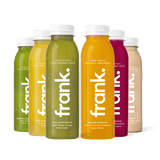
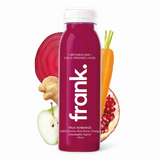
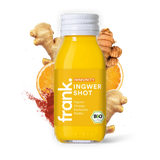
At frank. we rely on the natural supply of iron and nutrients for the human body, which is why our ginger shot Lavender Skies contains curry leaf extract as a natural source of the trace element iron and supports your daily needs with natural iron content. Feel the positive effects of curry leaf extract on your body and your cognitive performance.
This ginger shot doesn't just do you good, it also tastes really delicious! See for yourself the fruity, fresh taste with plenty of ginger, blueberry and other natural ingredients.
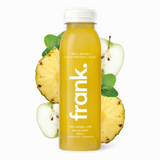
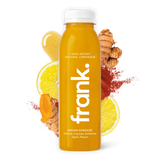
Our two other ginger shots Fast Lane and Wake Up Call are real flavour explosions too. You can buy the shots individually, as a shot cleanse or as part of your juice cleanse on our site or in the supermarket, for example at Rewe.
Your daily iron needs, by frank.
At frank. we care a lot about you covering your iron needs in a natural way. Our ginger shot Lavender Skies is more than just a tasty drink, it contains curry leaf extract, a great natural source of iron. This shot not only helps you cover your daily iron needs, it also offers many benefits for your health and wellbeing. The nutrients it contains support both your body and your mental performance.
But it's not just the health benefits that matter - Lavender Skies also tastes incredibly good! The combination of fruity blueberry, spicy ginger and other natural ingredients gives a refreshing taste that is sure to win you over.
And that's not all. Our ginger shots Fast Lane and Wake Up Call are also real taste experiences. Each shot offers a unique blend of natural ingredients that perk you up and taste great at the same time. Whether enjoyed on their own or as part of a shot cleanse or juice cleanse - you can easily buy our shots online on our website or in supermarkets like Rewe.


