Updated: October 2026
In short: Losing weight quickly and safely means, according to the NHS: 0.5 to 1 kg per week, so 1 to 2 pounds. With low-carb diets, the first 2 to 3 kg are mostly water, according to the consumer advice centre (Verbraucherzentrale). The NHS and the Verbraucherzentrale advise against crash diets, because the body lowers its basal metabolic rate and the yo-yo effect looms. You get faster not through deprivation, but through a plan you can stick to.
You have a goal, a wedding, a holiday or are simply fed up with feeling unwell, and you want to lose weight quickly. Understandable. At the same time, headlines like "8 kilos in 4 days" promise something that is incompatible with the sources we checked. Here you'll find what is realistic, where quick numbers on the scales come from, what risks crash diets carry and how to make a sensible start in the first seven days.
How fast can you lose weight safely?
The NHS recommends aiming for 0.5 to 1 kg per week (1 to 2 pounds). At the same time, it advises against losing weight suddenly through diets. That sounds slow but adds up: in a month it's about 2 to 4 kg, in three months 6 to 12 kg. According to the sources we checked, anyone who loses weight this way has much better chances of keeping it off.
| Period | Safe pace (0.5 to 1 kg per week) |
|---|---|
| 2 weeks | 1 to 2 kg |
| 4 weeks | 2 to 4 kg |
| 3 months | about 6 to 12 kg |
How many calories you should save per day for this depends on your needs. The article How Many Calories Do You Need Per Day to Lose Weight Healthily? and our calorie calculator help with that.
How much can you lose in a week?
Healthy and steady is 0.5 to 1 kg. If you see significantly more on the scales in the first few days, you often haven't lost only fat. On low-carb diets, the Verbraucherzentrale writes that you often lose weight quickly at the start, but initially lose mainly 2 to 3 kilograms of water. Carbohydrates are stored in the body as glycogen and bind water. If you eat less of them, you excrete this water.
So that figure doesn't mean you've lost 2 to 3 kg of fat. The water comes back as soon as you eat normally again. If you read "5 kilos in 2 weeks" or "5 kilos in a week", you should therefore ask what exactly is being lost and how long it lasts.
Is it possible to lose 8 kilos in 4 days?
Not as body fat, according to the sources we checked. The NHS gives 0.5 to 1 kg per week as the goal, not per day. With crash diets, calorie intake falls sharply, and the quick weight loss is motivating at first. But the Verbraucherzentrale warns: the risk of the body breaking down muscle is especially high with crash diets. Eating behaviour doesn't change, so according to the Verbraucherzentrale a yo-yo effect is almost guaranteed.
That also applies to turbo diets with "15 kg in 3 weeks" or "20 kg in 4 weeks". There is no evidence for them in the sources we checked, but there are warnings.
Why are crash diets risky?
The Verbraucherzentrale describes it like this: the body reacts to little energy as if a famine had broken out, saves energy and lowers the basal metabolic rate. After the diet, energy use stays low and the weight returns quickly, often with extra. The NHS also advises against losing weight suddenly through diets and recommends not skipping meals, because otherwise you tend to snack more.
- According to the Verbraucherzentrale, muscle loss is especially likely with crash diets
- A falling basal metabolic rate makes keeping the weight off harder
- Tiredness, cravings and frustration are common
- Without a change in habits, the old weight comes back
What really helps if you want quick progress?
You get faster not through even more deprivation, but through levers you can apply right away. The NHS lists, among others: swapping sugary drinks for water, five portions of fruit and vegetables a day, reading labels, not finishing your plate when you're full, and 150 minutes of exercise per week. According to the NHS, even 10 minutes a day makes a difference, and lack of sleep leads to more high-calorie eating and being too tired to exercise.
Detailed basics: Basic Rules for Losing Weight and our big guide Losing Weight Healthily: Nutrition, Tips and Recipes.
What does a 7-day plan for getting started look like?
This plan isn't a starvation programme but an introduction to habits. It works without bans and can be adapted to your daily life.
| Day | Focus |
|---|---|
| 1 | Estimate your needs with the calorie calculator and set a weekly goal of 0.5 to 1 kg |
| 2 | Replace sugary drinks with water or unsweetened tea, read labels |
| 3 | Fill half your plate with vegetables at every main meal |
| 4 | Walk briskly for 30 minutes, take the stairs instead of the lift |
| 5 | Cook ahead for the next few days (meal prep), see Meal Prep for Beginners |
| 6 | Go to bed early, cut down on screens before bed |
| 7 | Look back: note weight and waist circumference, adjust the plan for week 2 |
You'll find recipes for it in Recipes for Weight Loss, and a longer plan in the article Meal Plan for Weight Loss.
How can you tell it's working?
The scales fluctuate from day to day because water, digestion and muscle play a part. So don't rely on a single value, but on the trend over two to four weeks. Helpful are waist circumference with a tape measure (the NHS recommends keeping it below half your height), how your clothes fit, your energy level and your sleep.
Even a little is enough to gain something for your health: according to the NHS, even a loss of 5 to 10 percent of body weight noticeably improves health. If the scales stand still for a few days, that's normal and not a sign you're doing something wrong. In that case, check portion sizes, drinks and exercise before cutting calories even further. Eating too little tends to lead to cravings and frustration.
Who are quick methods not suitable for?
Very strict cleanses and diets are not for pregnant and breastfeeding women, people with an eating disorder or suspected one, those with pre-existing conditions or taking regular medication. If you're overweight with accompanying conditions or want support, the NHS recommends talking to your GP. That also applies if you lose or gain weight sharply for no apparent reason. If you've been through many diets that haven't helped in the long run, a conversation with professionals is also worthwhile, instead of trying the next crash diet.
Pairs well with frank.
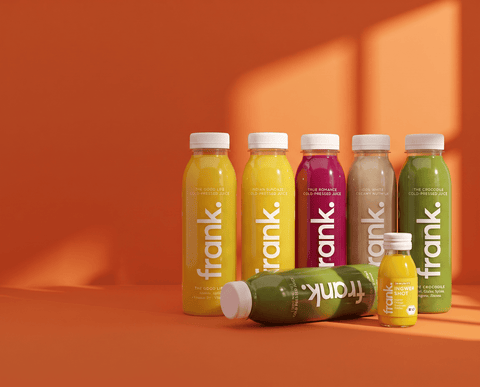
If you have little time to cook in daily life, preparing meals can help: in our Soup Cleanse you'll find packages with organic soups, organic Ginger Shots and juices for 1, 3, 5 or 7 days. These packages don't replace a lasting change of diet and aren't a weight-loss product. Whether and how a Juice Cleanse supports weight loss is covered in Can I Lose Weight With a Juice Cleanse?
You might also like
- Basic Rules for Losing Weight
- How Many Calories Do You Need Per Day to Lose Weight Healthily?
- How Useful Is Calorie Counting?
Frequently asked questions about how to lose weight fast: what is realistic and safe
What's the fastest way to lose weight?
Fastest and lasting at a moderate pace of 0.5 to 1 kg per week, according to the NHS. According to the Verbraucherzentrale, faster diets carry a risk of muscle loss and the yo-yo effect.
How do I lose fat quickly?
There is no way to burn fat in a targeted or especially fast way. A moderate deficit, exercise, enough sleep and a balanced diet are the documented levers.
Can I lose 5 kilos in a week?
Not as fat, according to the sources we checked. With low-carb diets, the first 2 to 3 kg are mostly water, according to the Verbraucherzentrale. In the long run, that isn't fat loss.
Which home remedies help with quick weight loss?
Water instead of sugary drinks, more vegetables and more exercise. Teas, ginger or vinegar are not fat burners and don't replace a deficit.
Is it possible to lose weight quickly without exercise?
A deficit through diet alone is possible. The NHS still recommends 150 minutes of exercise per week, because it supports keeping the weight off and health.
Note: This article is for general information and does not replace medical or therapeutic advice. If you have symptoms or pre-existing conditions, are pregnant or take medication, please speak to your doctor first.