Updated: October 2026
In short: Zinc is a trace element involved in many body functions, including the immune system. According to the German Nutrition Society (DGE), the requirement is 8 mg per day for women and 14 mg for men (medium phytate intake). As a supplement, the BfR recommends at most 6.5 mg a day, and the EFSA gives 25 mg as the upper limit. Against colds, zinc shows little or no benefit for prevention according to the Verbraucherzentrale.
Zinc is found in oyster mushrooms and cheese, in oats and pumpkin seeds. How much you need, when more is too much and what zinc really does for the immune system, we clarify here with figures from reliable sources.
How does zinc work in the body?
Zinc is an essential trace element. Your body can't store it and has to take it in regularly through food. It's involved in the function of many enzymes, in cell division and in the immune system. For the immune system, there is an approved claim in the EU: zinc contributes to the normal function of the immune system.
That doesn't mean more zinc "boosts" your immune system. If it's lacking, it can suffer; if enough is present, extra brings little. According to the Verbraucherzentrale, supply in Germany is rated as good, and a deficiency is rare.
How much zinc do you need per day?
That depends on sex and on phytate intake. Phytate is found in whole grains and legumes and binds zinc in the gut so that less is absorbed. The DGE therefore distinguishes three levels.
| Phytate intake | Women (mg/day) | Men (mg/day) |
|---|---|---|
| low | 7 | 11 |
| medium | 8 | 14 |
| high | 10 | 16 |
Pregnant women from the fourth month and breastfeeding women have a higher requirement. As a guide for adults, the NHS gives about 9.5 mg for men and 7 mg for women.
Which foods contain zinc?
Good sources are meat, shellfish, dairy products such as cheese, whole-grain and cereal products, legumes, nuts and seeds. The NHS stresses that most people get all the zinc they need from their diet.
| Food | Note |
|---|---|
| Oats, wholemeal bread | provide zinc but contain phytate |
| Cheese, yoghurt | well-absorbed zinc |
| Pumpkin seeds, cashews | plant-based sources |
| Lentils, chickpeas | zinc, but phytate |
| Meat, seafood | high absorption |
According to the Verbraucherzentrale, vegetarians and vegans should plan their zinc intake consciously and prefer fermented or sprouted whole-grain products, because less phytate remains in them.
Does zinc help against colds?
For prevention, studies show little or no benefit according to the Verbraucherzentrale. With an existing cold, zinc might shorten the duration by about two days, but only at very high doses of 45 to 276 mg a day. Such amounts are far above the recommended maximum and can cause nausea.
In practice that means: aim for a varied diet, sleep, exercise and fresh air, and don't take high-dose zinc on a hunch. You'll find other ideas for the cold season in the article Strengthening Your Immune System.
How much zinc is safe as a supplement?
The BfR recommends at most 6.5 mg of zinc per day for supplements. The EFSA gives 25 mg as the tolerable total intake from food and supplements for adults. The NHS advises not taking more than 25 mg of zinc as a supplement unless your doctor has prescribed it.
Too much zinc can interfere with copper absorption, which over time can lead to anaemia and weak bones. One or two supplements are enough, and more brings nothing. If you take medication, ask beforehand.
What affects zinc absorption?
Besides the amount, how well your body can absorb the zinc counts. Phytate from whole grains and legumes binds zinc in the gut, and other minerals in high doses can compete. That doesn't mean you should avoid whole grains, quite the opposite: whole-grain products overall provide more zinc than white flour. The DGE mentions that sourdough and sprouting lower the phytate content and improve availability.
- Prefer sourdough bread and sprouted products
- Spread zinc sources across the day
- Don't combine supplements with other high-dose minerals without checking first
- Plan consciously if you eat vegetarian or vegan
Who should pay particular attention to zinc?
People with a one-sided diet, vegetarians and vegans, pregnant and breastfeeding women and older people with a small appetite. If you belong to one of these groups, it's worth looking at your menu: are nuts, seeds, oats, legumes and dairy products or alternatives regularly included?
A blood test alone isn't particularly informative, because zinc levels fluctuate. Discuss a suspicion with your doctor instead of buying supplements on a hunch.
Is zinc worth taking as a supplement?
For most people with a balanced diet, no. The Verbraucherzentrale rates the supply situation in Germany as good, and the NHS writes that you should get all your zinc from your diet. A supplement can make sense for certain groups, but then in small amounts and after consultation.
With products containing zinc, check the dose on the packaging and keep to the stated daily amount. More doesn't help more, as the EFSA's upper limit of 25 mg shows.
How much zinc does frank.'s Daily Complete provide?
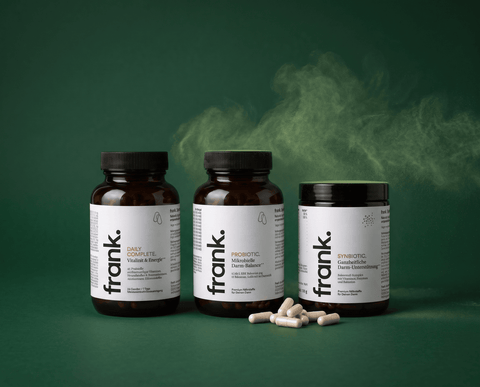
According to the product page, a daily dose of 2 capsules of Daily Complete contains 5 mg of zinc, which is 50 percent of the nutrient reference values. That is below the BfR recommendation for supplements of 6.5 mg. The tin of 60 capsules lasts four weeks and costs €29, so around one euro per day.
The product contains 40 nutrients in total and does not replace a balanced diet. Whether you need it depends on your diet. More in the article Multivitamin: Worthwhile or Unnecessary?
Matching picks from frank.
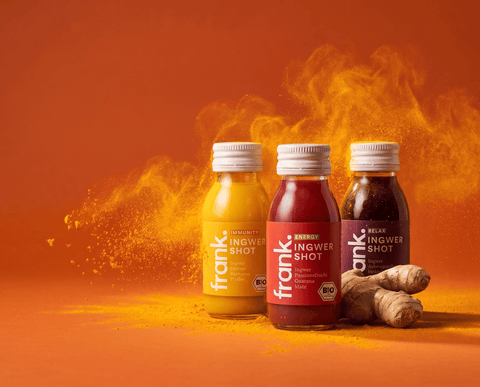
For a warm time out in autumn: our Organic Ginger Shot Immunity, spicy and completely caffeine-free, or Daily Complete as daily basic cover.
You might also like
- Strengthen Your Immune System & Stay Healthy: 5 Simple Tips
- What to Do About Nutrient Deficiency?
- Which Nutrients Does the Body Need Daily?
Frequently asked questions about zinc
When is the best time to take zinc?
Zinc is usually better tolerated with a meal, because on an empty stomach it can cause nausea. Follow the recommended intake.
Can you get too much zinc?
Yes, mainly through supplements. High amounts can cause nausea and over time interfere with the absorption of copper and iron.
Who has an increased zinc requirement?
Pregnant and breastfeeding women, people who eat a great deal of whole grains and legumes (because of phytate) and vegans should keep an eye on their intake.
How can I tell if I have a zinc deficiency?
Typical signs are non-specific and can have many causes. Have a suspicion checked by a doctor instead of supplementing on a hunch.
Do Ginger Shots contain zinc?
Our shots are not a source of zinc. You'll find zinc more in nuts, seeds, oats, legumes and dairy products.
Note: This article is for general information and is not a substitute for medical or therapeutic advice. If you have complaints, pre-existing conditions, are pregnant or take medication, please talk to your doctor first.