





























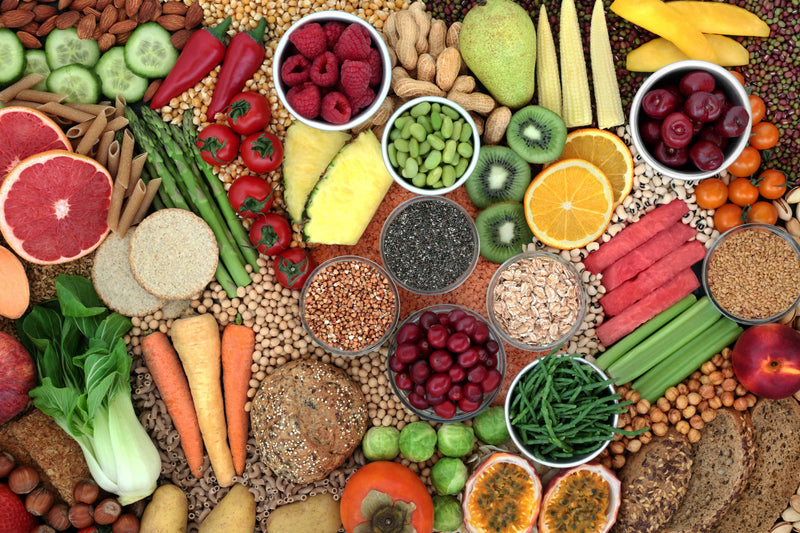
Your body is like a fascinating orchestra in which every organ, every tissue and every cell plays together perfectly to keep you healthy and fit. Every day, countless processes run in your body to make sure everything works smoothly. From simple breathing to complex tasks like controlling your nervous system, everything works together in harmony to keep you alive and on the move.
In this article we look at the important functions your body needs every day and how a balanced diet helps support these processes. That ranges from basics like breathing and digesting to demanding tasks such as transporting oxygen, regulating hormones, producing energy and protecting you from illness.
It also includes how your body takes in the vitamins, minerals and other essential nutrients it needs every day. When you consider how many different nutrients we need each day, from proteins and fats, especially omega-3 fatty acids, to a wide range of micronutrients, getting it all right can feel overwhelming. But don't worry, we'll show you how a balanced meal can make sure your body gets everything it needs.
In this post we'll look at the amazing complexity and efficiency of your body and find out why it's so important to look after it well. After all, these everyday functions are the key to your wellbeing and your quality of life.
Why a balanced diet with the right nutrients matters
Why is a balanced diet so important? It's not just about feeling full, but about giving your body everything it needs to work properly. Every day your body asks for vitamins, minerals, proteins, carbohydrates and fats, which fulfil many important jobs. These nutrients help, for example, to build and repair tissue, produce energy, regulate metabolic processes and keep your immune system strong.
A balanced diet is especially important for certain groups, which we call YOPIs:
Young: Children and teenagers need lots of nutrients to grow healthily and develop well. Their bones, organs and tissues are constantly being built.
Old: Seniors want to slow down ageing processes and keep their health for as long as possible. Getting enough nutrients helps minimise the loss of muscle and bone.
Pregnant: Pregnant women look after not only themselves but also their baby. Their body needs extra nutrients to support the growth and development of the foetus.
Immunosuppressed: People with a weakened immune system need an extra portion of nutrients to support their defences and protect themselves against illness.
Nutrients provide the energy your body needs to get through the day. Carbohydrates are your main source of energy, while fats serve as a reserve. Without enough energy you quickly feel tired and sluggish. A balanced diet also helps you maintain a healthy body weight and may help lower the risk of chronic conditions such as heart problems, diabetes and obesity.
A balanced diet also has a big influence on your mood and mental performance. Studies suggest that getting enough vitamins and minerals may support your mood and help support cognitive function. The German Nutrition Society (DGE) therefore gives clear recommendations on how to get enough nutrients every day.
Nutrients like vitamin C, vitamin D, zinc and vitamin B12 are essential for a strong immune system. They help your body fend off infections and illness. With a balanced diet you can help keep your defences in top form.
A balanced diet is therefore the key to more energy, better health and a better feeling for life overall. If you make sure your body gets everything it needs, you'll feel more vital and fit, every day.

Which important nutrients does the body need every day?
Your body is like a complex machine that constantly needs different nutrients to run smoothly. These nutrients give you energy, help build and repair cells, regulate your metabolism and strengthen your immune system. A lack of these nutrients can lead to problems, while a sufficient supply keeps you fit and healthy. Let's take a look at what your body needs every day.
Proteins
Proteins are the building blocks of your body. They are essential for building and repairing tissue, for making enzymes and hormones, and for producing antibodies that support your immune system. Without enough protein, your body can't fulfil these important functions. Good sources of protein are meat, fish, eggs, dairy products and plant-based alternatives such as beans, lentils and nuts.
Carbohydrates
Carbohydrates are your main source of energy. They are converted into glucose, which serves as fuel for your cells and organs. Your brain in particular relies on a constant supply of glucose. Wholegrain products, fruit and vegetables are excellent sources of healthy carbohydrates. They help you stay productive and focused all day long.
Fats
often have a bad reputation, but they are absolutely necessary for your body. They don't just provide energy, they are also important for absorbing fat-soluble vitamins (A, D, E and K). It is important, though, to pay attention to the quality of the fats. Healthy sources are, for example, avocados, nuts, seeds and oily fish such as salmon.
Vitamins
Vitamins are little helpers with a big impact. They take part in countless biochemical processes, from energy production to cell repair. Each vitamin deficiency can have different effects, so it's important to eat a wide range of foods to make sure you get all the vitamins you need. Fresh fruit, vegetables, dairy products and fish are rich in various vitamins.
Minerals
Minerals such as calcium, iron, magnesium and zinc are essential for many bodily functions. Calcium is important for strong bones, iron transports oxygen in the blood, magnesium supports muscle and nerve function and zinc supports your immune system. A varied diet with plenty of greens, nuts, meat and wholegrain products makes sure you're well supplied with minerals.
Water
Water is perhaps the simplest, but one of the most important things your body needs. It helps with almost all metabolic reactions, regulates your body temperature and transports nutrients and waste products. Make sure you drink enough, around 2 to 3 litres a day, to stay well hydrated and support your bodily functions as well as possible.
A balanced diet that contains all of these nutrients is the key to a healthy, active life. By paying attention to a varied, nutrient-rich diet, you give your body exactly what it needs to function afresh every day.

How does my body react when certain nutrients are missing?
Your body relies on regularly getting the right nutrients to work at its best. If certain nutrients are missing, this can bring a whole range of unpleasant symptoms and health problems. Each nutrient gap can show up differently and affect different bodily functions. Here we look at some of the most common nutrient deficiencies and their effects.
Iron deficiency
Iron deficiency can make you feel tired and weak often. Your skin can look pale and your nails break more easily. Shortness of breath and a higher susceptibility to infections can also occur, because your body can't transport enough oxygen.
Vitamin D deficiency
If you lack vitamin D, your bones can become weaker and you may feel tired more often. A deficiency can also weaken your immune system and affect your mood, which can show up as sleep problems or even low mood.
Vitamin C deficiency
With a vitamin C deficiency, wounds heal more slowly and your immune system doesn't work at its best, making you more prone to infections. You might also be tired more often and get bleeding gums.
Vitamin B12 deficiency
A vitamin B12 deficiency can lead to tiredness and shortness of breath, as it is important for blood formation. Numbness in the extremities can also occur, and your mental performance could suffer, which can lead to trouble concentrating and poor memory.
Calcium deficiency
Calcium deficiency weakens your bones and may increase the risk of osteoporosis. You could experience muscle cramps and dental problems such as cavities. Sleep disturbances and nervousness can also occur.
Iodine deficiency
Without enough iodine, your thyroid can become enlarged, which is known as a goitre. You may feel tired, put on weight and have a slow metabolism. Your mental performance can also be affected and you might be more sensitive to cold.
How many nutrients do you need per day?
The exact amount of nutrients you need every day depends on various factors, including your age, sex, height, weight, activity level and state of health. The reference values for daily nutrient intake are set by national health organisations and nutrition authorities. These recommendations state how much of each nutrient you should take in daily to meet your needs.
Examples of recommended daily amounts of some important nutrients for adults:
Protein: About 0.8 grams of protein per kilogram of body weight. For example, a person weighing 70 kg needs about 56 grams of protein per day.
Carbohydrates: The recommended daily intake of carbohydrates is around 45-65% of total calorie intake.
Fats: About 20-35% of total calorie intake should come from fat, with an emphasis on unsaturated fats.
Fibre: About 25 grams of fibre per day for women and 38 grams for men.
Vitamins and minerals: The recommended daily intake varies by nutrient. For example, adults in the USA need roughly 75-90 mg of vitamin C and about 1000 mg of calcium per day.
Keep in mind with these figures, though, that your individual nutrient needs can vary. Factors such as stress and exercise also affect your nutrient needs. The recommended daily amounts are reference values and should be seen as guidelines for a balanced diet. To be on the safe side, you can reach for multi-nutrient supplements like our Daily Complete.

What do I need to eat to give my body all the nutrients it needs?
To supply your body with all nutrients, there's no getting around a balanced diet. A varied diet makes sure your body gets all the necessary nutrients in sufficient amounts. Here are some tips to look after your body properly:
Eat a colourful selection of fruit and vegetables, as they contain different vitamins, minerals, fibre and antioxidants. Try to include different kinds so you benefit from the different nutrients. Fresh fruit and vegetable juices are a great fit too.
Go for wholegrain cereals like wholemeal bread, brown rice, oats, quinoa and wholemeal pasta. These contain more fibre, vitamins and minerals than refined grain products.
Add protein sources to your diet, such as chicken, fish, eggs, pulses, tofu and lean meat. Proteins are important for building and repairing tissue and for maintaining strong immune defences.
Choose healthy fats like avocado, nuts, seeds and olive oil. They provide important fatty acids and fat-soluble vitamins.
Dairy products contain calcium and vitamin D for strong bones. If you can't tolerate dairy or prefer a vegan diet, choose fortified plant-based alternatives such as soy milk or almond milk.
Fish is a good source of omega-3 fatty acids, which are good for the heart and the brain. Eat oily fish like salmon, mackerel or sardines two to three times a week. On top of that, fish is low in carbohydrates and high in protein!
Drink enough water to keep your body hydrated and support metabolic processes.
Limit sugary drinks, sweets and heavily processed foods. They often supply lots of calories and few nutrients, while keeping you full only briefly.
Drink alcohol in moderation, as excessive alcohol consumption can use up nutrients and have negative effects on your health.
If you can't get certain nutrients in sufficient amounts through your diet or have special needs, your doctor or nutrition adviser can recommend dietary supplements.
A balanced diet rich in a variety of foods is the best way to supply your body with all the necessary nutrients and to support your health and wellbeing.
What is the food pyramid and what does it have to do with nutrients?
The food pyramid is a visual aid used by nutrition experts (for example the German Nutrition Society (DGE)) to show the basic principles of a balanced diet and the distribution of nutrients, and to show you your daily nutrient needs. It shows the recommended hierarchy of food groups you should take in through your food to supply your body with nutrients as well as possible.
The food pyramid is divided into layers or levels. The food groups you should eat in larger amounts sit at the base of the pyramid, and those you should eat in smaller amounts sit at the top. The idea behind it is that food groups at the base of the pyramid should form the foundation of our diet, while we should eat those at the top only in limited amounts.
Here is a typical structure of a food pyramid:
Level 1: Water: Water is fundamental for the body and should be drunk in sufficient amounts.
Level 2: Fruit and vegetables: Fruit and vegetables form the base of the food pyramid and provide important vitamins, minerals, fibre and antioxidants.
Level 3: Cereals, preferably wholegrain: Wholegrain cereals are rich in fibre, B vitamins and minerals and are an important source of energy.
Level 4: Dairy products or alternatives: Dairy products contain calcium and vitamin D for strong bones and teeth.
Level 5: Protein sources: Lean meat, fish, poultry, pulses, egg white, nuts and seeds are important sources of protein, needed for building and repairing your tissue and muscles.
Level 6: Fats and oils: Healthy fats like avocado, nuts, seeds and olive oil should be eaten in moderation.
Top: Sweets and heavily processed foods: Foods with a high sugar or fat content and heavily processed products should be eaten only in limited amounts.

Do I need extra nutrients during a juice cleanse?
At frank. we offer products that taste delicious and are rich in nutrients at the same time! Our main goal is to inspire and encourage you towards your own individual healthy lifestyle, and to support you along the way.
In our range you'll find not only our popular juice cleanse, which gives you a welcome break from the fast pace of everyday life and encourages you to rethink your habits. It's also about bringing your everyday routines like nutrition, exercise and sleep in line with a healthy lifestyle.
Whether you're after an intensive cleanse or lasting changes to your lifestyle, frank. is by your side. We want to help you reach your personal goals and look after your wellbeing in a delicious way.
With a 5 day juice cleanse, for example, you take in a variety of fruit and vegetable juices that cover your nutrient needs for that period.
Don't want to go without your valuable proteins during the juice cleanse? Then grab our vegan protein powder and pimp up your juices.


