Whether you want to build more muscle, improve your endurance or lose weight, we'll show you how to adapt your diet to your goals and what to watch out for along the way.
How do I start changing my diet?
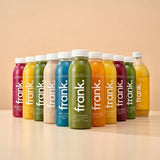
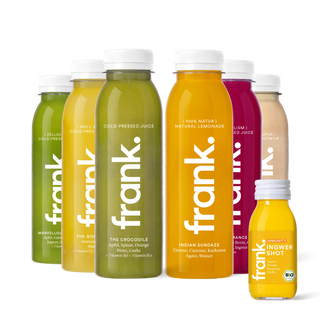
A few ground rules first: be clear about which goal you want to reach and why you want to change your diet. To break free from unhelpful habits and build new, health-supporting routines, our frank juice cleanse can help you, both mentally and physically. If your main goal is building muscle or losing fat, your calorie balance plays a key role. If you want to lose weight, you need to take in fewer calories than you burn over the day. For weight gain and muscle building, it's important to be in a calorie surplus. So eat more calories than the energy you need.
More strength through a balanced diet
Have you set yourself the goal of building muscle mass? Then focus on strength training to give your muscles enough stimulus to grow. On top of that, your diet lays the foundation: eat in a calorie surplus and make sure you get enough protein. Muscle mass only builds up if the raw material of muscles (protein) and surplus energy are available to your body. Still, don't neglect long-chain and short-chain carbohydrates as an energy source! Short-chain carbohydrates, found in fruit for example, are quickly available to the body and are therefore perfect as a snack before strength training. Wholegrain products and vegetables, on the other hand, consist of long-chain carbohydrates and give you important fibre after training. Even though the calorie surplus is essential, that's not a free pass: always reach for unprocessed foods instead of fast food.
Improve your endurance with the right diet
Do you want more power on your run and to hit new times? Then make sure that before your workouts you eat low-fat, quickly digestible, short-chain carbohydrates and skip fibre. Fibre can weigh on your digestion, and that could cost you valuable energy. Although protein is often associated with strength sports, it's also important for our endurance to eat enough of it, especially if you're planning an intense run or a bike ride. Your meal after exercise should be built on long-chain carbohydrates such as potatoes and rice, with a variety of protein sources such as chickpeas, beans and tofu, plus a small amount of high-quality fat sources.
How can I lose weight sustainably?
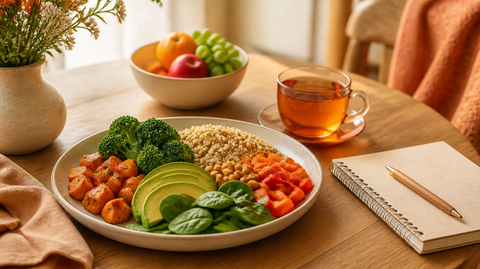
If you want to lose weight, the first thing to focus on is reaching a calorie deficit. We recommend a deficit of between 200 and 500 calories per day. If your deficit is too big, it encourages cravings and nutrient deficiencies, so better steer clear of that! On the other hand, a deficit that's too small means your weight drops very slowly. Fats do have the highest calorie content per 100 g of food alongside carbohydrates and proteins, but they're needed for many processes in the body and keep you full for a long time! So make sure you use them deliberately. High-quality fat sources are found in nuts, seeds and kernels, as well as in avocado. Hunger signals can also be triggered by a lack of fluids! Because hunger and thirst are closely linked in the brain, it's important to drink enough. Try to drink at least two litres of water a day.
Healthy eating for your mental wellbeing
If you notice you're under a lot of stress and don't feel quite fit inside, changing your diet can help. When stress levels are high, free radicals in the body increase. These can be neutralised with the help of antioxidants. Foods with an antioxidant effect include berries, citrus fruits, nuts, herbs, but also green leafy vegetables, all types of cabbage and classic vegetables such as tomatoes, cucumbers and peppers. In the long run, oxidative stress may contribute to chronic inflammation as well as psychological symptoms such as constant tiredness, lack of drive and difficulty concentrating. So make sure you eat a healthy, balanced diet with plenty of vitamins and nutrients to boost your wellbeing.
How to make the change to your diet work
You reach your physical goals with the optimal combination of nutrition and exercise. The main rules are easy to sum up: if you want to build more muscle mass, increase your calorie intake. If you want to lose weight, aim for a calorie deficit. And if you want to improve your performance in endurance sports, supply your body with short-chain carbohydrates.
Whether you want to build more muscle, improve your endurance or lose weight. We show you how to adapt your diet to your goals successfully and what to watch out for.
How do I start changing my diet?
A few ground rules first: be aware of which goal you want to reach and why you want to change your diet. To break away from less-than-ideal habits and build new, health-supporting routines, our juice cleanse can help you mentally and physically. If your primary goal is building muscle or losing fat, your calorie balance plays a central role. If you want to lose weight, you have to take in fewer calories than you burn over the day. For weight gain and muscle building, it's important to be in a calorie surplus. So take in more calories than the energy you need.
More strength through a balanced diet
Have you set yourself the goal of building muscle mass? Then focus on strength training to set enough stimulus for muscle growth. On top of that, your diet lays the foundation: eat in a calorie surplus and make sure you get enough protein. Only when the raw material of muscles (protein) and surplus energy are available to your body is muscle mass built. Still, you shouldn't neglect long- and short-chain carbohydrates as an energy source! Short-chain carbohydrates, found in fruit for example, are quickly usable by the body and are therefore perfect as a snack before strength training. Alongside these, wholegrain products and vegetables consist of long-chain carbohydrates and give you important fibre after training. Even though the calorie surplus is essential, we're not giving you a free pass: always choose unprocessed foods instead of fast food.

Improve your endurance with the right diet
Do you want more power on your run and to hit new times? Then make sure to eat low-fat, quickly usable, short-chain carbohydrates before your workouts and avoid fibre. It puts a strain on your digestion and that could cost you valuable energy. Even though protein is often associated with strength training, it is also important for our endurance to eat enough protein - especially if you're planning an intense running session or a bike ride. Your diet after exercise should be built on long-chain carbohydrates, such as potatoes and rice, complemented with varied protein sources like chickpeas, beans and tofu and small amounts of high-quality fat sources.
How can I lose weight sustainably?
If you want to lose weight, you first and foremost need to aim for a calorie deficit. We recommend a deficit of between 200 and 500 calories per day. If your deficit is too big, it promotes cravings and nutrient deficiency, so better keep your hands off that! On the other hand, a deficit that is too small means your weight drops very slowly. Fats, along with carbohydrates and protein, have the highest calorie content per 100 g of food, but they are needed for many processes in the body and keep you full for a long time! So make sure to use them deliberately. High-quality fat sources are found, for example, in nuts, seeds and kernels, as well as in avocado. Hunger signals can also be triggered by a lack of fluids! Since hunger and thirst are closely linked in the brain, it's important that you take in enough fluids. Try to drink at least two litres of water a day.

Healthy eating for your mental wellbeing
If you notice you suffer a lot from stress and don't feel quite fit inside, changing your diet can help. Because when stressful situations increase, free radicals rise in the body. These can be neutralised with the help of antioxidants. Foods with an antioxidant effect include berries, citrus fruits, nuts, herbs, but also green leafy vegetables, all kinds of cabbage and classic vegetables like tomatoes, cucumbers and peppers. In the long run, oxidative stress can contribute to chronic inflammation as well as mental symptoms such as constant tiredness, lack of drive and difficulty concentrating. So make sure to eat a healthy, balanced diet with plenty of vitamins and nutrients to boost your wellbeing.
How to succeed with your diet change
You reach your physical goals with the optimal combination of diet and exercise. The main rules are easy to sum up: if you want to build more muscle mass, increase your calorie intake. If you want to lose weight, aim for a calorie deficit. And if you want to improve your performance in endurance sport, supply your body with short-chain carbohydrates.