Low carb diets are on everyone's lips. But what does low carb actually mean, and what is high carb? These terms are part of our daily lives, yet many people don't quite know what they mean. We explain.
What is the difference between low carb and high carb?
Let's start with the basics: "low" and "high" mean exactly what they say, and "carbs" are carbohydrates. So "low carb" means a low amount of carbohydrates in your diet, and "high carb" a high amount. When we read about a low carb diet, it's nothing more than a diet in which you eat few carbohydrates.
Which foods are high carb?
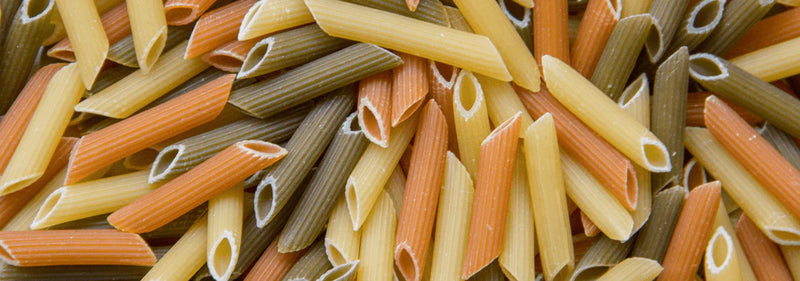
High carb foods are all foods that contain a lot of carbohydrates. At the top of the list are, of course, bread, pasta and potatoes.
The topic of carbohydrates is complex and unfortunately can't be sorted into "healthy" and "unhealthy". We explain why: short-chain carbohydrates, i.e. refined sugar as in gummy bears and chocolate, are often labelled "unhealthy". Low-fibre carbohydrates, like the wheat we find in classic pastries, are also considered "bad". Highly processed carbohydrates, like chips and crisps, are likewise considered unhealthy.
Long-chain carbohydrates with a high proportion of fibre and starch, on the other hand, are called "healthy". These include wholemeal bread, potatoes, rolled oats and lentils. Fibre keeps you full for longer and acts as food for your gut microbiome.
If you do sport, though, simple sugar can be very useful as a quickly available energy source. Wholemeal bread with its fibre would sit heavy in your stomach. Unlike glucose, fructose is metabolised via the liver and so barely makes your blood sugar level rise. On top of that, fruit provides valuable secondary plant compounds and vitamins. Giving up fruit just because of the fructose would be nonsense.
So as you can see, the quality of carbohydrates can't be judged that simply. Depending on the situation, a different source of carbohydrates might be just right for you!
Can you lose weight on high carb?
Although "low carb" diets are very common, you can also lose weight on high carb. The prerequisite is that you have to choose long-chain carbohydrates. As already explained, these keep you full longer and give us lasting energy. We don't get hungry quickly and can therefore lose weight with carefully selected high carb products too.
What do we mean by low carb?
Low carb is the opposite of high carb, i.e. you reduce your carbohydrate consumption. Low carb is often linked with diets and weight loss, which isn't wrong in principle, but low carb can just as well be a long-term way of eating. During the 20th century, carbohydrate consumption rose sharply. Crisps, croissants and pains au chocolat, pretzel sticks, pizza, pasta... you name it. People often conclude from this that illnesses such as diabetes have increased. So anyone who eats low carb is guarding against exactly these illnesses. What's important is not to give up carbohydrates entirely in the long term, because they are one of the main energy suppliers for our body. But as with high carb, what matters is which carbohydrates you eat and when.
What happens on a low carb diet?
When you reduce your amount of carbohydrates, your blood sugar and insulin levels become more stable. That way you stay full for longer and avoid cravings. On top of that, many foods that are rich in carbohydrates are very energy-dense and highly processed. If you cut these from your eating plan, it may be easier for you to lose weight. If you want to find out more about your metabolism, check out our article "Burn your Calories: What does 'metabolism' actually mean?"
Conclusion: low carb or high carb
To sum up, the amount and type of carbohydrates is what matters. Giving up carbohydrates in the long term is not recommended, as that removes fibre and an effective energy supplier from your diet. The best approach would be to eat the right carbohydrates, and then adjust your diet depending on your goal. It's no problem to go without carbohydrates completely for a while and challenge your body a little, but you shouldn't go without carbohydrates in the long term. You can also start by preparing your body for a short-term or long-term diet change with a juice cleanse.
Low carb diets are on everyone's lips. But what does low carb actually mean, and what is high carb? These terms are part of our day, yet many people don't quite know what they stand for. We'll clear it up.
What is the difference between low carb and high carb?
Let's start with the basics: low and high mean just that, and "carbs" are carbohydrates. So with "low carb" we're talking about a low amount of carbohydrates in your diet, and with "high carb" about a high amount. So when we read something about a low carb diet, it's simply a diet in which you eat few carbohydrates.
Which foods are high carb?
High carb foods are all foods that contain lots of carbohydrates. Right at the top of the list are of course bread, pasta and potatoes.
The topic of carbohydrates is complex and unfortunately can't be divided into "healthy" and "unhealthy". We explain why: short-chain carbohydrates, i.e. refined sugar as in gummy bears and chocolate, are often called "unhealthy". Low-fibre carbohydrates, such as wheat, which we find in classic baked goods, are also considered "bad". On top of that, highly processed carbohydrates such as chips and crisps are also considered unhealthy.
In contrast, long-chain carbohydrates with a high proportion of fibre and starch are called "healthy". These include wholemeal bread, potatoes, rolled oats and lentils. Fibre keeps you full for longer and acts as food for your gut microbiome.

If you do sport, though, simple sugar can be very useful as a quickly available source of energy. Wholemeal bread with its fibre would sit heavy in your stomach. Unlike glucose, fructose is metabolised via the liver and so barely raises the blood sugar level. On top of that, fruit supplies valuable secondary plant compounds and vitamins - giving up fruit just because of the fructose would be nonsense.
So you see: the quality of carbohydrates can't be judged so simply. Depending on the situation, a different source of carbohydrates may make sense for you!
Can you lose weight on high carb?
Although "low carb" diets are very common, you can also lose weight on high carb. The condition is that you have to choose the long-chain carbohydrates. As already explained, these keep you full for longer and give us energy for a long time. We don't get hungry quickly and so can also lose weight with selected high carb products.
What is meant by low carb?
Low carb is the opposite of high carb, i.e. you reduce your carbohydrate consumption. Low carb is often linked with diets and weight loss, which isn't wrong in principle, but low carb can just as well be a long-term way of eating. During the 20th century, the consumption of carbohydrates increased greatly. Crisps, croissants and pains au chocolat, pretzel sticks, pizza, pasta... you name it. From this it is often concluded that conditions such as diabetes have become more common. Those who eat low carb are therefore said to lower their risk of exactly such conditions. It's important not to give up carbohydrates entirely in the long term, because they are one of the main energy suppliers for our body. But here, as with high carb, what matters is which carbohydrates you eat and when.
What happens on a low carb diet?
When you reduce your amount of carbohydrates, your blood sugar and insulin levels become steadier. That way you stay full for longer and avoid food cravings. On top of that, many carbohydrate-rich foods are very energy-dense and heavily processed. If you cut these from your eating plan, it may be easier for you to lose weight. If you want to find out more about your metabolism, check out our post "Burn your Calories: What does "metabolism" actually mean?".
Conclusion: low carb or high carb
In summary, the amount and type of carbohydrates is what counts. Going without carbohydrates in the long term is not recommended, as it removes fibre and an effective energy supplier from your diet. The best option would be to eat the right carbohydrates and then adapt your diet depending on your goal. It's no problem to go without carbohydrates completely for a while and challenge your body a little, but you shouldn't give up carbohydrates in the long term. You can also first prepare your body for a short-term or long-term change of diet with a juice cleanse.