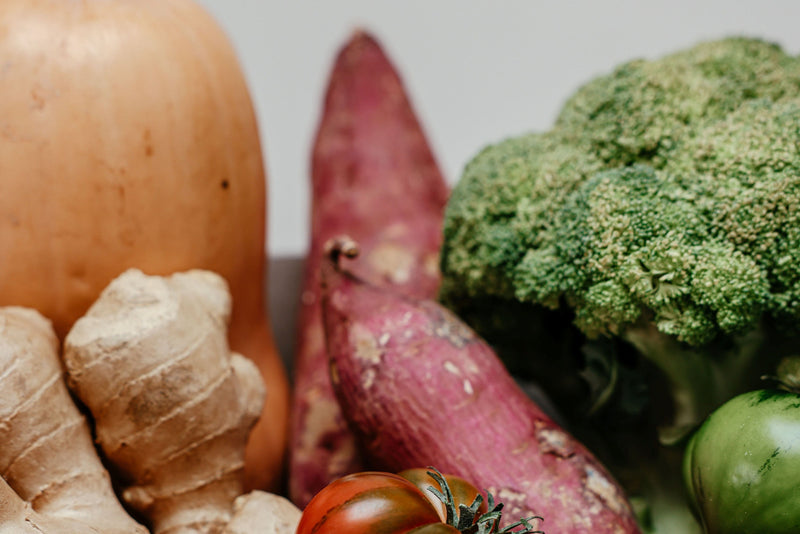
A healthy diet is crucial to keeping our gut in top form. Certain foods can help promote the balance of the gut flora, reduce inflammation and improve nutrient absorption. In this article we take a closer look at the best foods for a healthy gut diet.
From fibre to fermented foods to probiotic foods - there are plenty of options that can support our gut in a natural way. We will introduce you to some nutrient-rich, gut-friendly foods that you can work into your diet. We will also give you practical tips on how to make the best use of these foods to support the health of your gut.
Why is a healthy gut so important?
But first, the basics... why is a healthy gut so important in the first place? A healthy gut plays a crucial role in our overall wellbeing and health. The gut is responsible for digesting food and absorbing nutrients. A healthy gut allows efficient digestion and absorption of nutrients, including vitamins, minerals and essential fatty acids.
Around 70% of our immune system is located in the gut. The gut flora interacts closely with the immune system and plays an important role in defending against pathogens and strengthening the immune response.
The gut is often called the "second brain" because it is connected to the brain via the so-called gut-brain axis. A healthy gut flora can influence the production of neurotransmitters that regulate our mood and mental wellbeing. Imbalances in the gut may be linked to mood problems such as anxiety and low mood.
How important is diet for the gut flora?
Diet plays an extremely important role in gut health. It has a direct impact on the composition and diversity of the gut flora as well as on the function and integrity of the gut itself.
Gut flora
Diet influences the composition of the gut flora. A high-fibre diet promotes the growth of beneficial bacteria in the gut, while a low-fibre diet can favour the growth of unwanted bacteria. A varied, balanced diet with lots of plant-based foods contributes to the diversity of the gut microbiota, which is associated with better gut health.
Digestion and nutrient absorption
A healthy diet rich in fibre, vitamins and minerals supports efficient digestion and nutrient absorption. Fibre is particularly important for gut health because it promotes gut movement, helps prevent constipation and supports regular, healthy bowel movements.
Regulating inflammation
An unhealthy diet rich in processed foods, saturated fatty acids and sugar can contribute to inflammation in the gut. Chronic inflammation in the gut is associated with various conditions such as inflammatory bowel conditions. A healthy diet with anti-inflammatory foods such as omega-3 fatty acids, antioxidants and certain spices may help reduce inflammation in the gut.
Maintaining the gut barrier
The gut barrier is an important protective layer that shields the gut from harmful substances and bacteria. A poor diet, especially excessive consumption of sugar and refined carbohydrates, can impair the gut barrier and lead to increased permeability of the gut, also known as "leaky gut". A healthy diet with enough prebiotics and certain fatty acids, on the other hand, can strengthen the gut barrier and support its integrity.
General health and wellbeing
A healthy diet for the gut has not only a direct effect on gut health, but also on general health and wellbeing. A healthy gut contributes to a strong immune system, a better mood, more energy and healthier-looking skin.

These foods support your gut health
Good gut health can be supported by eating certain foods and light meals. Here are some foods recommended for a healthy gut diet:
High-fibre foods
Fibre is the indigestible part of plants that binds water and makes stools swell. This contributes to a larger stool volume and promotes gut movement. Regular gut movement is important to prevent constipation and let stools pass more easily.
Fibre can help regulate stool consistency in both diarrhoea and constipation. With diarrhoea, fibre binds excess fluid, while with constipation it takes up water and can soften the stool.
Fibre serves as food for the beneficial bacteria in the gut. When fibre is fermented, the gut bacteria produce short-chain fatty acids, which promote gut health. These short-chain fatty acids support the gut barrier, reduce inflammation and promote nutrient absorption.
A high-fibre diet has been linked to a reduced risk of various gut conditions such as diverticulosis, colon cancer and inflammatory bowel conditions. Fibre supports gut health by improving the gut flora, reducing inflammation and promoting gut movement.
Fibre can help stabilise blood sugar levels by slowing down the absorption of carbohydrates. This can be especially beneficial for people with diabetes to keep their blood sugar under control.
Probiotic foods
Probiotics are live microorganisms that support the gut flora. Probiotic foods such as yoghurt, kefir, sauerkraut, kimchi and fermented soy products contain these beneficial bacteria and can help improve the balance of the gut flora.
Yoghurt, for example, contains live cultures of probiotic bacteria such as Lactobacillus and Bifidobacterium. These types of bacteria can help improve the balance of the gut flora and increase the number of healthy bacteria in the gut. A healthy gut flora is important for digestion, nutrient absorption and strengthening the immune system. Probiotic bacteria in yoghurt can help improve digestion. They support the breakdown of food, especially lactose (milk sugar) in people with lactose intolerance. By promoting a healthy gut flora, they can also help reduce digestive complaints such as bloating, constipation and diarrhoea. Probiotics in yoghurt can promote the production of antibodies and improve the activity of the immune cells in the gut. This can help strengthen the immune system and support the defence against pathogens. Certain probiotic bacterial strains in yoghurt can help inhibit the growth of harmful bacteria in the gut. This may lower the risk of infections, especially diarrhoeal illnesses caused by pathogenic bacteria such as E. coli or salmonella.

Prebiotic foods
Prebiotics are indigestible fibres that serve as food for the beneficial gut bacteria. Foods such as onions, garlic, artichokes, bananas, oats, flaxseed and chicory are rich in prebiotics and support the growth of healthy gut bacteria.
Prebiotics can help strengthen the gut barrier. An intact and healthy gut barrier is important to prevent harmful substances and bacteria from getting into the body. Prebiotics promote the growth of gut bacteria that produce short-chain fatty acids. These fatty acids support the health of the gut cells and help maintain a strong gut barrier.
Prebiotics can regulate gut movement and help prevent constipation.
Prebiotics promote the absorption of minerals such as calcium and magnesium in the gut. They can also increase the uptake of short-chain fatty acids, vitamins and other nutrients. Better nutrient absorption can contribute to overall health.
Prebiotics can help keep blood sugar levels stable. Because they are digested and fermented slowly in the gut, glucose enters the blood more slowly. This can be especially beneficial for people with diabetes.
Oily fish
Oily fish such as salmon, mackerel and sardines are an excellent source of omega-3 fatty acids, especially eicosapentaenoic acid (EPA) and docosahexaenoic acid (DHA). They can help protect and strengthen the gut barrier. A healthy gut barrier is important to prevent harmful substances and bacteria from getting into the body. By supporting a healthy gut barrier, omega-3 fatty acids contribute to maintaining good gut health. Omega-3 fatty acids can also support the growth of beneficial bacteria in the gut. A healthy gut flora is important for digestion, nutrient absorption and strengthening the body's defences. By promoting the growth of the good bacteria, omega-3 fatty acids help foster a healthy gut flora. They can also help regulate gut movement and prevent constipation. Good gut movement is important for healthy digestion and keeping bowel movements smooth. Studies suggest that regular fish consumption, especially of oily varieties, may reduce the risk of bowel cancer. This could be down to the anti-inflammatory properties of omega-3 fatty acids and their support of a healthy gut flora.
If you don't eat fish, you can reach for flaxseed instead. It contains fibre as well as omega-3 fatty acids. It can help promote gut movement and improve nutrient absorption.
Nuts also contain a variety of healthy fats and can be good for the gut.
Berries
Berries contain a considerable amount of fibre, especially soluble fibre such as pectin. Fibre is important for healthy digestion because it increases stool volume and promotes gut movement.
On top of that, berries naturally contain prebiotics, which support the growth of beneficial bacteria in the gut. These beneficial bacteria, such as bifidobacteria and lactobacilli, help maintain a healthy gut flora.
Berries are rich in antioxidants such as anthocyanins, flavonoids and vitamin C. Antioxidants protect cells from damage caused by free radicals, which are produced in the body.
Thanks to their antioxidant content and other anti-inflammatory compounds, berries may help reduce inflammation in the gut.
Wholegrain products
Wholegrain products such as wholemeal bread, rolled oats and brown rice contain fibre, especially insoluble fibre such as cellulose and soluble fibre such as pectin. Fibre is important for healthy digestion because it increases stool volume and promotes gut movement. So go for a bread made from wholemeal flour.
Compared with refined grain products, wholegrain products have a lower glycaemic index, which means they raise blood sugar levels more slowly. This helps keep blood sugar levels steadier and can reduce the risk of insulin spikes and dips.
The fibre in wholegrain products serves as food for the good bacteria in the gut. A healthy gut flora is important for digestion, nutrient absorption and strengthening the immune system. By promoting the growth of the beneficial bacteria, the fibre in wholegrain products helps maintain a healthy gut flora.
Studies have shown that regularly eating wholegrain products may be associated with a lower risk of bowel cancer.

Water
Water plays a crucial role in maintaining healthy gut function. It helps keep stools soft and supports the mobility of the gut. Drinking enough fluids supports smooth digestion and helps prevent constipation.
Water plays an important role in the body's metabolism, including the removal of waste products from the gut. Drinking enough fluids supports the function of the kidneys and liver. This also reduces the strain on the gut.
Water is essential for absorbing nutrients from food. It dissolves and transports nutrients in the digestive tract and allows them to be absorbed through the gut wall. Drinking enough fluids promotes efficient nutrient absorption and so supports overall gut health.
It is important to note that every body is different and some people may react more sensitively to certain foods or have intolerances. It can be helpful to try different foods and pay attention to how your own body reacts.
Basic rules for your gut health
These basic rules help you towards a healthy gut. We have put together tips on how you should change your life to take the strain off your gut, which foods you should eat, and how you can use a frank. gut cleanse as a kick-off for a healthier way of eating and better gut health.
Food do's and don'ts
These are the foods you should use as the base of your diet and meals:
- High-fibre foods, such as wholegrain products, pulses, fruit and vegetables, nuts and seeds
- Fermented and probiotic foods, such as yoghurt (with live cultures), kefir, sauerkraut, kimchi and tempeh
- Prebiotic foods, such as artichokes, onions, garlic, asparagus and bananas
- Oily fish, such as salmon, mackerel, sardines and trout
- Antioxidant-rich foods, such as berries, leafy greens, tomatoes, nuts and beans
- Ginger and turmeric
- Water
You should stay away from these foods:
- Refined carbohydrates, such as white bread, white flour products, sweets and drinks with lots of sugar
- Sugary foods and drinks such as fizzy drinks, sweets, cakes and sweetened breakfast cereals
- Excessive consumption of high-fat foods such as fast food, fried snacks and fatty meat can impair gut health
- Trans fats, which are found in many processed foods such as margarine, fried foods, baked goods and snacks
- Excessive consumption of red meat such as beef, pork and lamb
- Excessive consumption of alcohol
- Artificial sweeteners such as aspartame, saccharin and sucralose

The frank. gut cleanse
Gut cleanses are methods to cleanse the gut, improve how it works and ease possible discomfort. There are different types of gut cleanses, which use different methods and remedies depending on the goal, the causes and the gastrointestinal condition involved.
What does a gut cleanse do?
Digestion and gut flora are sensitive: stress, a changed daily routine, an unhealthy diet with lots of fast food, medication and many other factors can throw the gut and its bacteria out of balance. If the interplay of the different bacterial strains in the gut no longer works, it can lead to unpleasant gastrointestinal symptoms: vague digestive complaints, diarrhoea, constipation (known as obstipation), a painful bloated belly (known as meteorism) or uncomfortable wind (known as flatulence). The gut cleanse is meant to help here and to support gut restoration: it helps to rebuild a healthy gut flora step by step.
Your frank. gut cleanse includes
- a frank. juice cleanse of your choice for one day, 3 days, 5 days, or 7 days
- CleanoCOL by BIOGENA
- Omni Lactis 20 Gold by BIOGENA
- frank. Tea "Happy Stomach"
- digital gut cleanse guide with comprehensive information about your gut cleanse and the topic of gut health
Exercise and stress
We are often stressed by influences such as work or social obligations and don't take enough time for ourselves. This can lead to disrupted gut health. You should work on avoiding stress and on getting enough exercise so that your gut function isn't put under strain.
Stress
There is a strong connection between the brain and the gut, known as the gut-brain axis. When you are stressed, signals from the brain can influence the gut and lead to changes in the digestive system. Stress can change gut movements, which can lead to digestive problems such as diarrhoea or constipation. On top of that, stress can influence the composition of the gut flora by inhibiting the growth of healthy bacteria and promoting the growth of harmful bacteria. A disrupted gut flora can in turn impair gut health and contribute to inflammation or other problems in the digestive system.
Exercise
Regular physical activity can have a positive effect on gut health. Studies have shown that exercise can stimulate gut movements, which can lead to better digestion and regular bowel movements. Physical activity also increases blood flow throughout the body, including the digestive system, which can improve nutrient absorption. In addition, exercise has anti-inflammatory properties and can help maintain a healthy gut flora. An active lifestyle can therefore help to lower the risk of gut problems such as inflammatory bowel conditions or bowel cancer.