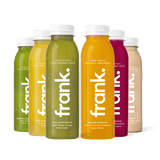
It hasn't escaped us that fasting is becoming more and more of a trend and gaining popularity. That makes us really happy, of course! But for us, fasting is much more than a passing trend that will soon fade. Fasting can awaken a whole new feeling for life and help you find a new lifestyle. We explain why it makes sense to build fasting phases into everyday life and what forms there are.
What does fasting mean?
The word fasting simply describes going without, to train mindfulness and teach gratitude. Fasting originally comes from the spiritual world, where across all religions people give up solid food on certain occasions. While religious motives used to be decisive, fasting is now becoming more and more popular because of its health benefits. It's also practised as a protest against excessive consumerism, to reflect on one's own values and to slow down everyday life. And of course social media adds to the fasting hype: experiences can be shared and exchanged much more easily and quickly. So today people fast all over the world for the most varied reasons. No wonder there are so many different methods! Whether with juice, soup or without: feel free to try your way through them and find the solution that suits you, to give your body a break.
Different types of fasting
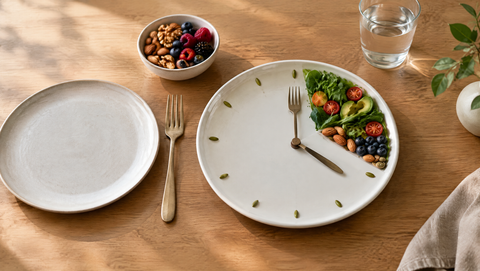
Fasting is a very big and broad term. Traditional forms are therapeutic fasting after Buchinger, intermittent fasting following the 16:8 or 5/2 model, and juice and soup fasting. While with Buchinger fasting and a juice cleanse you take no solid food at all for a longer period, 16:8 and 5:2 intermittent fasting are shorter windows of abstaining, but in recurring periods. These can either be spread across the week or happen in a daily cycle. If you'd like to learn more about 5:2 intermittent fasting, take a look here.
During your fasting time you can give up individual things, such as alcohol or sweets. Fasting doesn't have to be linked to food at all: you can also do a "digital break" and pay no attention to social networks or screens for a set period.
What are the reasons for fasting?
People who fast usually do so out of their own conviction. The exact reasons you start fasting can be very different! Often our customers want to lose weight and completely change their diet after the cleanse. Giving the gut a break and flushing out water from the body are also common reasons to start a cleanse. But fasting is much more than that! If you fast, you give your body a break from the constant load of solid food. After some time, not only your skin but also your sleep quality may improve, because during sleep the body doesn't have to digest additional food on top of regenerating. This leads to more power the next day, even though you're skipping food. Your skin may thank you, because after a longer fasting period inflammatory processes can ease and the complexion can look more refined. When you give up solid food, you get to know your body in a new way and see that the energy you need comes from within you. You also have more time for yourself and your needs. A fasting experience can bring a whole new turn in your life.
How do you fast?
Whichever fasting method you choose, don't do it just to follow a trend, but to really change something in your body. Also focus mentally on your fasting time to get the most out of this experience. You can combine the different types too, for example 5:2 with 16:8 intermittent fasting, by eating for only 8 hours on the days you do eat.
See which fasting method suits you best and ease into it slowly. Maybe bring a friend on board - it's well known that it's a lot easier with two. Why? You can see here.
We have not missed that fasting is becoming more and more of a trend and is gaining popularity as a result. Of course, that makes us really happy! But for us, fasting is much more than a short-lived trend that will soon pass. Fasting can awaken a whole new feeling for life and help you towards a new lifestyle. We explain why it makes sense to build fasting phases into everyday life and which forms there are.
What Does Fasting Mean?
The word fasting describes nothing other than going without, in order to train mindfulness and teach gratitude. Fasting originally comes from the spiritual world, where across all religions solid food is given up on certain occasions. While religious motives used to be the deciding factor, today fasting is becoming more and more popular because of its health benefits. It is also practised as a protest against excessive consumer behaviour, to reflect on your own values and to slow down everyday life. And of course social media adds to the fasting hype: experiences can be shared and exchanged much more easily and quickly. So these days people fast all over the world for all kinds of reasons. No wonder there are all kinds of methods too! With juice, with soup or without: feel free to try your way through them and find the solution that suits you, to give your body a break.
Different Types of Fasting
Fasting is a very big and broad term. Very traditional are Buchinger fasting, intermittent fasting following the 16:8 or 5/2 model, and juice and soup fasting. While with Buchinger fasting and a juice cleanse you eat no solid food at all over a longer period, 16:8 and 5:2 intermittent fasting are shorter windows of going without, but in recurring periods. These can either be spread across the week or take place in a daily cycle. If you want to learn more about 5:2 intermittent fasting, then take a look here.
During your fasting period you can give up individual things, for example alcohol or sweets. Fasting doesn't necessarily have to be linked to food either: you can also do a “digital break” and pay no attention to social networks or screens at all for a certain period.
What Are the Reasons for Fasting?
People who fast usually do it out of their own conviction. The exact reasons that make you start fasting can be very different! Our customers often want to lose weight and completely change their diet after the fasting cleanse. Giving the gut a break and flushing out water are also common reasons to start a cleanse. But fasting is much more than that! If you fast, you give your body a break from the constant load of solid food. After a while, this improves not only your skin but also your sleep quality, because while you sleep your body doesn't have to digest food on top of regenerating. This leads to more power the next day, even though you are going without food. Your skin will thank you, because after a longer fasting period inflammatory processes are eased and your complexion can become more refined. When you go without solid food, you get to know your body in a new way and see that the energy you need comes from within. You also have more time for yourself and your needs. A fasting experience can bring a whole new turnaround to your life.

How Do You Fast?
Whichever fasting method you choose, don't do it just to follow a trend, but to really change something in your body. Focus mentally on your fasting period too, to get the maximum effect out of this experience. You can also combine the different types, for example 5:2 with 16:8 intermittent fasting, by eating for only 8 hours on the days when you do eat.
Look at which fasting method suits you best and ease into it slowly. Maybe get a friend on board - as everyone knows, it is a lot easier with two. Why? You can see here.