Updated: October 2026
In short: On a weight-loss injection you usually eat smaller amounts, so every meal has to deliver a lot: enough protein, fibre from vegetables, legumes and wholegrain, sufficient fluids and several small portions instead of a few big ones. Professional societies cite 1.2 to 1.6 grams of protein per kilogram of body weight as a suggested target during active weight loss, plus strength training. Discuss amounts with your doctor, especially if you have kidney disease. As of: October 2026.
The injection lowers hunger, but it doesn't tell you what belongs in the smaller stomach. That is exactly what determines whether you mainly lose fat or muscle mass too, and how you feel while doing so. What the injection itself does is covered in the article Weight-Loss Injections: Effects and Side Effects. You'll find general basics in the guide Losing Weight Healthily.
What should you eat on a weight-loss injection?
Both approvals for Wegovy and Mounjaro list the injection as an addition to a reduced-calorie diet and more exercise. A joint recommendation from several US professional societies (Mozaffarian et al., 2025) focuses on nutrient-rich, minimally processed foods, sufficient protein, fibre from foods, enough fluid and precautions against nutrient deficiencies.
| Building block | What it's about | Practical tip |
|---|---|---|
| Protein | Preserving muscle | A protein source with every meal |
| Fibre | Digestion, preventing constipation | Increase slowly, drink alongside |
| Fluids | Avoid dehydration with nausea and diarrhoea | Drink spread throughout the day |
| Small portions | Tolerability | Several small meals instead of a few big ones |
| Micronutrients | Spot deficiencies | Have vitamin D, B12, calcium checked by a doctor |
How much protein do you need on the injection?
For the general population, the US recommendation gives 0.8 grams per kilogram of body weight per day. For the phase of active weight loss, higher targets of 1.2 to 1.6 grams per kilogram of body weight per day have been suggested. For strength training, 1.2 to 1.7 grams are suggested. As a lower limit, it gives 0.4 to 0.5 grams per kilogram.
A worked example: At 70 kilograms of body weight, 1.2 to 1.6 grams per kilogram would work out at 84 to 112 grams of protein a day. These are guideline values from the literature, not a prescription. If you have kidney disease or take medication, be sure to discuss the amount with your doctor first.
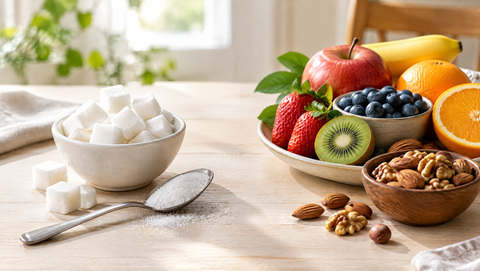
Good sources are legumes, eggs, low-fat quark, skyr, fish, poultry, tofu, nuts and seeds. The article provides more background What Are Proteins and Why Are They Essential?
How do you protect your muscles during rapid weight loss?
Protein alone isn't enough. The recommendation states that higher protein intake without structured strength training is unlikely to be enough to preserve muscle mass. As a guideline, it gives regular strength training on at least three days a week and at least 150 minutes of moderate endurance activity per week.
IKK classic also points out that the German Society for Nutritional Medicine emphasises a high-protein diet and exercise to avoid sarcopenia, i.e. muscle wasting. Start with two short sessions a week, for example squats, push-ups on a table and rowing with a resistance band, and build up slowly. For beginners, a conversation with your GP or physiotherapist is a good idea.
What role does fibre play?
According to the prescribing information, constipation is among the common side effects. Fibre from foods helps, as long as you drink enough. The professional societies advise promoting sufficient fluid and fibre from foods. Increase the amount slowly, otherwise bloating is added.
The DGE recommends five portions of fruit and vegetables a day and at least one portion of legumes per week. Wholegrain products, oats and nuts complement this. Why fibre matters is covered in the article Fibre: Why Eat a High-Fibre Diet? Be careful with fibre powders and glucomannan: the consumer advice centre warns of bowel obstruction if you drink too little with them.
How much should you drink?
Enough. The Wegovy prescribing information explicitly points out that nausea, vomiting and diarrhoea can lead to dehydration, in rare cases with worsening kidney function. Those treated should take precautions against fluid loss. The DGE gives around 1.5 litres of drinks a day as a guide for healthy people; with vomiting and diarrhoea, you'll need more.
In practice: spread water, unsweetened tea and diluted spritzers over the day. If drinking is hard for you, try warm drinks or a clear broth. According to the NHS, you should limit alcohol because it can worsen nausea and vomiting.
Why do small portions help?
The injection delays stomach emptying and increases the feeling of fullness. Large meals can then feel heavy. The professional societies recommend smaller, more frequent meals and advise against very large portions. Eat slowly, stop at the first feeling of fullness and put protein and vegetables at the start of the meal.
| Meal | Idea | Protein source |
|---|---|---|
| Breakfast | Skyr with berries and oats | Skyr |
| Mid-meal snack | Hard-boiled egg with raw vegetables | Egg |
| Lunch | Lentil soup with vegetables | Lentils |
| Afternoon | Cottage cheese with cucumber | Cottage cheese |
| Evening | Roasted vegetables with salmon or tofu | Fish or tofu |
That's an example, not a plan. Adjust amounts and choices to your own needs. The calorie calculator shows how high they are, and the article Calorie Needs for Weight Loss explains the basics.
How do you plan shopping and daily life?
When appetite is small, cooking easily falls by the wayside. That's exactly when preparation helps: at the weekend, cook a batch of lentils or legumes, prepare eggs, cut raw vegetables, portion soups. That way something sensible is quickly ready when you're only slightly hungry. You'll find practical tips in the article How Does Meal Prep Work?
Also set fixed times for small meals and drinking, for example with a phone reminder, because the "hunger" signal often comes later or not at all on the injection. If you only eat when you have an appetite, it's easy to slip into too little intake. That's not a plan for everyone, but an idea to try. If you're unsure, nutrition counselling helps, which you can discuss with your doctor.
What helps with nausea and low appetite?
Nausea is among the most common complaints, especially during the dose-escalation phase. In the case of significant digestive complaints, the prescribing information provides for delaying the increase or going back to the previous dose. Only your doctor decides that. In everyday life, you can try a few things that come from experience, not from a study: eat slowly, choose small portions, avoid very fatty or rich meals and, when nauseous, choose light, room-temperature foods.
It's important that you don't eat too one-sidedly despite low appetite. A meal that delivers hardly anything doesn't help your body. Better a few bites with plenty of protein and nutrients than half a bar of chocolate.
When should you seek medical advice?
Seek medical advice if you have severe and persistent abdominal pain. The prescribing information lists pancreatitis as a possible side effect and advises stopping if it is suspected. The same applies to persistent vomiting or diarrhoea if you can no longer drink enough. The NHS lists allergic reactions, sudden worsening of vision and worsening of diabetic eye disease as serious warning signs. If you have diabetes, you should keep an eye on your blood sugar, because the need for other diabetes medication can change.
Write down symptoms with the date; it helps at the appointment.
Do you need dietary supplements?
Not automatically. The recommendation lists vitamin D, calcium and vitamin B12 as nutrients for which supplements may be considered preventively if there is a risk. Whether that makes sense for you is shown by blood values and your diet. Decide this with your doctor rather than on your own. Because of low appetite, some people eat very one-sidedly, and that's exactly when it's worth checking your supply.
Pairs well with frank.
For small, light meals, you can try Soups from frank. for example as a complement to a protein-rich side. It is a food and replaces neither medication nor medical advice.
You might also like
- Losing Weight Healthily: Nutrition, Tips & Recipes
- How Many Calories Do You Need Per Day to Lose Weight Healthily?
- What Are Proteins and Why Are They Essential?
Frequently asked questions about nutrition on weight-loss injections
What is best to eat on Wegovy or Mounjaro?
Small, balanced meals with protein, vegetables, legumes and wholegrain. Avoid very large, fatty portions if they make you feel sick.
How much protein makes sense on the weight-loss injection?
Professional societies suggest 1.2 to 1.6 grams per kilogram of body weight per day during active weight loss. With kidney disease, clarify with your doctor first.
How do I prevent muscle loss?
With enough protein and strength training, at least three times a week according to the recommendation. Protein alone is unlikely to be enough.
What helps with constipation on the injection?
Fibre from vegetables, legumes and wholegrain, increased slowly, plus enough to drink. If constipation persists, talk to your doctor.
How much should I drink?
As a guide, the DGE cites around 1.5 litres of drinks a day for healthy people. With vomiting or diarrhoea you need more; the prescribing information warns of dehydration.
Do I have to take vitamins?
Not automatically. Vitamin D, B12 and calcium are named in recommendations as possible at-risk nutrients; whether you need something is clarified by a blood test.
Note: This article is for general information and does not replace medical advice, diagnosis or treatment. You make decisions about medication, dosage or stopping together with your doctor. If you have symptoms or pre-existing conditions, are pregnant or take medication, please speak to them first.