Back then: breakfast, lunch and dinner. Today: a snack with your coffee, breakfast, a snack for the mid-morning slump, lunch, a snack for the afternoon slump, dinner, a snack as a bedtime treat
What is snackification?
The "snackification" trend came to Europe from the USA and made big, heavy meals seem more and more unusual. Instead, we graze our way through the day on countless snacks. The reasons for this shift lie in our everyday lives: the speed, flexibility and mobility demanded by work, education and leisure rob us of traditional mealtimes. We eat when we have time, not when the clock says so.
Not so long ago, "snacks" meant small, energy-rich bites against cravings. But the consumption of chocolate bars, crisps and co. grew so much that the guilty conscience rose rapidly too. The result? Healthier alternatives were needed!
Snacks are rich in nutrients and energy
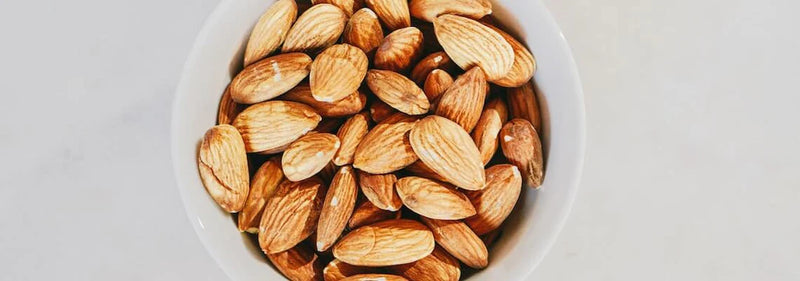
Since then, business has been booming for wholesome, nutrient-rich mini meals. The problem: even snacks that consist mostly of unprocessed foods and therefore have a high density of vitamins and minerals contain a relatively large amount of energy. A good example is the popular nut and fruit bars: both nuts and dried fruit contain many essential nutrients, but also in a very compact form: you quickly take in more energy than you actually need.
Snacks barely fill you up!
According to numerous studies, snacks between meals do not significantly reduce food intake at the following meals. If you aren't aware of the extra calories from snacks and don't adjust your following meals accordingly, you end up taking in clearly more calories by the end of the day. In the long run, the risk of being overweight grows.
Snacks keep your digestive tract busy!
Your digestive tract regularly needs a break to make the best use of what you've already eaten. So have nothing for 4-5 hours between meals and drink enough water in that time. If you're one of the modern snackers, your digestive tract can't recover.
Snacks raise your insulin level
If you eat constantly, your insulin level also stays constantly elevated. Fat can only be burned when the insulin in your blood is low. So you see: snackers find it harder to lose weight and also raise the risk of insulin resistance, with the related consequences of metabolic syndrome such as high blood pressure and atherosclerosis.
Our conclusion on snackification
Be smart and eat like grandma! Skipping snacks between meals can help you maintain or reduce your weight. Enjoy a dessert instead and look forward to your next (big) main meal.
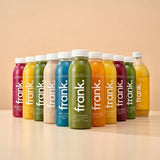
If you do want a snack now and then, go for foods that are as unprocessed as possible. Be aware of it and adjust the size of your main meals accordingly. Chopped fruit and veg with a dip is ideal! If you're looking for a to-go option, our juices are a convenient choice: they're nutrient-rich and fill you up better than a small bar thanks to their larger volume.
Do you already know our intermittent fasting programme? (CLICK) Many people who fast report that their stubborn cravings clearly reduced or disappeared completely after the fasting periods. That can also be an effective way to keep your appetite in check between main meals.
Then: breakfast, lunch and dinner. Now: a snack with your coffee, breakfast, a snack against the mid-morning slump, lunch, a snack against the afternoon slump, dinner, a snack as a bedtime treat
What is snackification?
The "snackification" trend came from the USA to Europe and made big, heavy meals seem more and more unusual. Instead, we graze our way through the day on countless snacks. We find the reasons for this shift in our everyday lives: the speed, flexibility and mobility demanded by work, education and leisure steal our traditional mealtimes. We eat when we have time, not when the clock says so.
Not so long ago, "snacks" meant small, energy-rich bites against cravings. But the consumption of chocolate bars, crisps and the like grew so much that the guilty conscience rose rapidly too. The result? Healthy alternatives were needed!
Snacks are rich in nutrients and energy
Since then, business has been booming for wholesome, nutrient-rich mini meals. The problem: even snacks that consist largely of unprocessed foods and therefore have a high density of vitamins and minerals contain a relatively large amount of energy. The popular nut and fruit bars are a good example: both nuts and dried fruit contain many essential nutrients on the one hand, but also in a very compact form on the other: you quickly take in more energy than you actually need.

Snacks hardly fill you up!
Between-meal snacks don't significantly reduce food intake at the following meals, according to the results of numerous studies. If you're not aware of the extra calories from snacks and don't adjust the following meals accordingly, you end up taking in significantly more calories by the end of the day. In the long run, the risk of becoming overweight grows.
Snacks put a strain on your digestive tract!
Your digestive tract regularly needs a break to make the best possible use of what you've already eaten. So leave 4-5 hours between meals without eating, and drink enough water in that time. If you're one of the modern snackers, on the other hand, your digestive tract can't recover.
Snacks make your insulin level rise
If you eat constantly, your insulin level also stays constantly elevated. Fat can only be burned when the insulin in your blood is low. So you see: people who snack find it harder to lose weight and may also increase the risk of insulin resistance, with the related consequences of metabolic syndrome such as high blood pressure and atherosclerosis.
Our conclusion on snackification
Be smart and eat like Grandma! Skipping between-meal snacks can help you maintain or reduce your weight. Enjoy a dessert instead and look forward to your next (big) main meal.
If you do want a snack now and then, reach for foods that are as unprocessed as possible. Be aware of it and adjust the size of your main meals accordingly. Chopped fruit and vegetables with a dip is ideal! If you're looking for a to-go alternative, our juices are a convenient option: they're nutrient-rich and, thanks to their larger volume, fill you up better than a small bar.
Do you already know our intermittent fasting programme? (CLICK) Many people who fast report that their stubborn cravings reduced significantly or disappeared completely after periods of fasting. That can also be an effective way to rein in your appetite between main meals.
You can also use a frank. juice cleanse as a start for changing your diet! The juice cleanses from frank. are tailored to all your needs. Choose a 3-day juice cleanse, or maybe the 5-day juice cleanse. You can also extend our cleanses with the food supplements from BIOGENA into a gut cleanse, beauty cleanse or energy cleanse.