Updated: October 2026
In short: A Juice Cleanse is not a bowel cleanse and not gut training. Juices contain less fibre than whole fruit and vegetables, so your gut works with less fuel on these days. Kept short and with good preparation and follow-up, it can be a digestive break, but it doesn't permanently replace a high-fibre diet. If you have symptoms or pre-existing conditions, talk to your doctor. As of: October 2026.
Many people hope a Juice Cleanse will calm their tummy. That's only partly true. Here you'll learn what is backed up, what isn't, and what to pay attention to for digestion.
Is a Juice Cleanse good for your gut?
Partly. The cleanse can mean a short break, because for a few days you don't eat heavy, fatty or processed food. At the same time, your gut gets less of the fibre it needs for its work and for gut bacteria. Fibre is central to good digestion.
The German Nutrition Society (DGE) recommends that adults get at least 30 g of fibre per day. Germans take in only 18 to 19 g on average. A Juice Cleanse doesn't push you any higher on that figure. The good thing about it is more the short relief; the downside is that it's no substitute for a high-fibre diet.
One point that is often forgotten: juices deliver a lot of liquid and sugar at once. Some people react to that with bloating or softer stools, especially with juices that are high in fruit. If you tend that way, choose a variant with less sugar per day. With the frank. Juice Cleanse, that's 97 g in the Pro variant compared with 160 g in the Starter. You can't derive from this whether a value is good or bad for your gut, but it helps you choose.
Does a Juice Cleanse cleanse the gut?
No, a bowel cleanse through Juice Cleanses is not proven. The consumer advice centre (Verbraucherzentrale) writes that supposed deposits of waste in the body don't exist and can't be detected in healthy people. The liver and kidneys are the main organs that process metabolic products, and in healthy people they work so reliably that hardly any harmful substances are left behind. There is no approved health claim for such cleansing terms.
That's why we don't promise it either. If you notice your tummy is calmer after a cleanse, that's probably because you ate lighter and more regularly. You'll find more background in the article Gentle Bowel Emptying While Fasting.
What does that mean for bowel movements and digestion?
Less fibre often means less stool volume and less frequent trips to the toilet. According to the DGE, fibre influences transit time in the digestive tract, stool volume and consistency, and the frequency of bowel movements. If it's partly missing, bowel movements can become less frequent during a cleanse. Constipation is therefore a common worry.
This helps in practice:
- In addition to the juices, drink enough still water or herbal tea. With the frank. Juice Cleanse, we recommend at least one litre.
- Move gently, for example with walks.
- Prepare by eating more vegetables and wholegrain two to three days beforehand.
- If you have symptoms for several days, stop and talk to your doctor.
The following helps with preparation: Juice Cleanse Checklist.
Why is fibre so important for the gut?
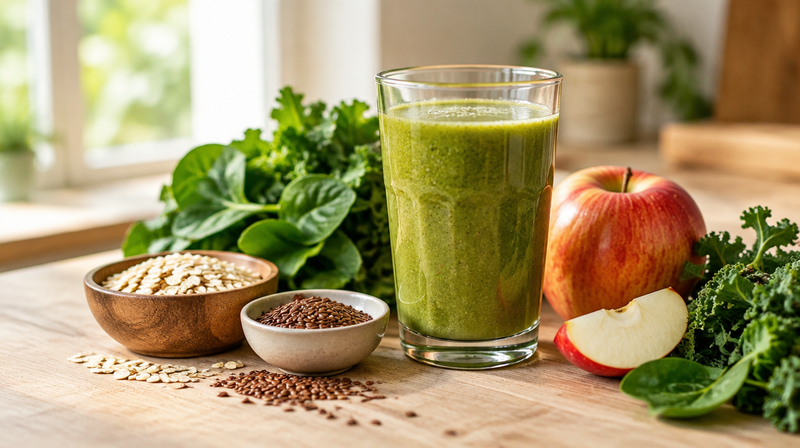
Fibre keeps you full, influences digestion and serves as food for gut bacteria. The DGE describes how soluble, non-viscous fibres such as inulin are fully fermented in the large intestine, while others, for example cellulose, are barely or not at all utilised. Fermentation produces short-chain fatty acids, which provide approx. 2 kcal per gram.
In studies, higher fibre intake goes along with a lower risk of cardiovascular disease, type 2 diabetes and obesity. These are associations from observational studies, not guarantees for you. The article explains this in detail Fibre: Why Eat a High-Fibre Diet.
| Food | Fibre (DGE) |
|---|---|
| Flaxseed, ground | 22 g per 100 g |
| Wholegrain pasta, cooked | 5 g per 100 g |
| Recommended daily amount for adults | at least 30 g |
According to the DGE, flaxseed should be limited to a maximum of 20 g per day because of its cadmium content. Increase the amount slowly, otherwise you'll get bloating.
How do you go easy on your gut before and after a Juice Cleanse?
With a gradual transition on both sides. Two to three days before the cleanse, cut back on meat, alcohol and ready meals and eat more vegetables. Afterwards, you slowly build your food back up.
| When | What feels good |
|---|---|
| 2 to 3 days before | Vegetables, potatoes, fruit, less coffee |
| Cleanse days | Juices, plenty of water, herbal tea, rest |
| Day 1 after | Soup, steamed vegetables, potatoes |
| Day 2 to 3 after | Porridge, rice, wholegrain in small amounts |
| After that | Build fibre back up to 30 g |
This is our practical suggestion, not a medical guideline. For building back up, there's the article What Is Best to Eat After a Juice Cleanse?
Does herbal tea help your gut during a Juice Cleanse?
It mainly helps with drinking. The consumer advice centre names water and unsweetened tea as the basis for fasting, and for regular digestion, the gut needs enough fluid. It also makes sense to keep your diet varied overall after the cleanse rather than relying on individual products. A mug of tea doesn't replace fibre, but it keeps your fluid balance in equilibrium, and that affects digestion. It's best to plan fixed tea times, for example on waking, in the afternoon and in the evening, so you reach a good amount of fluid over the day.
During fasting, herbal tea is above all a way to drink enough. Our Happy Stomach Tea contains linden blossom, aniseed, fennel, chamomile, ginger and sage. It's a traditionally used blend for the stomach; no proof of a specific effect comes with it. More on gut flora in Supporting the Gut Microbiome in Everyday Life.
Who should skip a Juice Cleanse if they have gut problems?
Anyone with chronic inflammatory bowel disease, irritable bowel syndrome, suspected bowel obstruction, diverticulitis or persistent symptoms. Here, nutrition belongs in the hands of your doctor. The frank. Juice Cleanse is also not suitable during pregnancy, breastfeeding or with a weakened immune system.
If you have blood in your stool, severe abdominal pain, fever or unexplained weight loss: don't try it out, get it checked. A Juice Cleanse is not a test and not a therapy.
If you regularly take laxatives or your bowel movements have recently changed, you should first have it checked what is behind it. An unusual alternation between diarrhoea and constipation is a reason for a doctor's appointment, not for a cleanse. If you're healthy and want to do a Juice Cleanse, plan enough rest, listen to your body and, if in doubt, end the cleanse early.
Pairs well with frank.
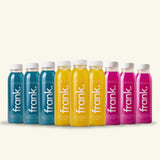
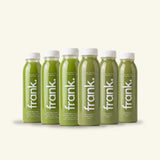
If you want to give your gut a short break, take a look at the 3-Day Juice Cleanse from 99.75 EUR (as of October 2026). The juices are cold-pressed, vegan and have no added sugar.
You might also like
- Fibre - Why Eat a High-Fibre Diet
- Gentle Bowel Emptying While Fasting - Does It Make Sense or Can You Do Without?
- Which Foods Are Healthy for the Gut - Our Tips for a Healthy Gut Diet
Frequently asked questions about whether a Juice Cleanse is good for your gut: fibre and digestion
Does a Juice Cleanse cause constipation?
It can, because less fibre is taken in. Plenty of water, tea and light movement help. If symptoms persist, seek medical advice.
How much fibre does the gut need?
The DGE recommends at least 30 g per day for adults. The average in Germany is 18 to 19 g.
Is a Juice Cleanse a bowel cleanse?
No, that isn't proven. In healthy people, the liver and kidneys reliably take care of elimination.
What do I eat after a Juice Cleanse for my gut?
Soup and steamed vegetables first, then slowly increase wholegrain and legumes.
Can I do a Juice Cleanse with irritable bowel syndrome?
That should be discussed with your doctor. Juices can make symptoms worse in some people, for example because of fruit sugar.
Note: This article is for general information and does not replace medical or therapeutic advice. If you have symptoms or pre-existing conditions, are pregnant or take medication, please speak to your doctor first.