To pasteurise or not to pasteurise? When you want to extend the shelf life of food, the question is which method works best. Besides pasteurisation, there is also high pressure processing, or HPP for short. Since every preservation method has both advantages and disadvantages, in this article we take a closer look at pasteurisation.

What is pasteurisation and how does it work?
Pasteurisation is a widely used method for preserving food, such as dairy products, and it has been around for more than a century. It was originally developed by the famous French scientist Louis Pasteur and has had a revolutionary impact on the food industry ever since.
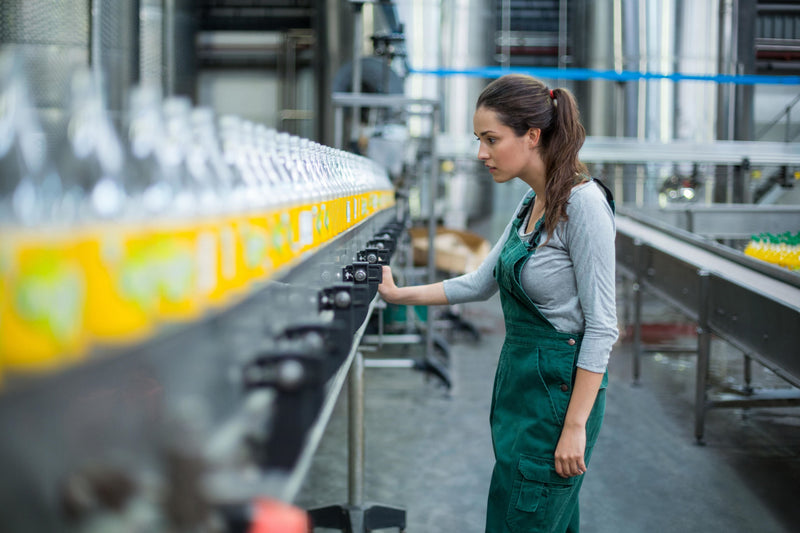
In pasteurisation, food is heated to high temperatures for a set amount of time to kill potentially harmful microorganisms or greatly reduce their numbers. The aim is to make food safer by neutralising pathogens such as bacterial spores, yeasts, moulds and some viruses. Heating stops these microorganisms from multiplying, which extends the shelf life of food and lowers the risk of foodborne illness. The exact process depends on the type of food. Usually the food is heated in a closed system, either directly or indirectly. With direct heating, the food comes into contact with steam or hot water, while with indirect heating the food is heated in a container surrounded by a heat transfer medium, such as steam.
Different types of pasteurisation
HIGH TEMPERATURE SHORT TIME (HTST)
In HTST pasteurisation, food is heated to a high temperature, usually between 72 °C and 85 °C, for a short time of about 15 to 30 seconds. The aim is to reduce the number of microorganisms without significantly affecting the quality of the product.
ULTRA HIGH TEMPERATURE (UHT)
UHT pasteurisation heats food to very high temperatures, often above 135 °C, for a very short time of about 2 to 5 seconds. Because almost all microorganisms are killed this way, food stays fresh for longer at room temperature.
LOW TEMPERATURE PASTEURISATION
For some delicate foods, such as fruit juices or certain enzymes, pasteurisation can be done at lower temperatures, around 60 °C. The aim is to keep the texture and colour of the product while still inactivating enough microorganisms.
Are frank. juices pasteurised?
What many people don't know: most fruit smoothies and juices are pasteurised, which means they are preserved with heat! This destroys most of the natural vitamins and nutrients in the drinks. We at frank. obviously don't want that, so for most of our products we decided against this kind of preservation and instead work with the particularly nutrient-friendly “HPP” method, where preservation is achieved through very high pressure.
The only exceptions in our range are “Mister White”, “Indian Sundaze” and our shots. Mister White has to be pasteurised for technical reasons, as it is not really a juice but a smoothie, or a nut m*lk. Our juice Indian Sundaze and our shots mainly contain spices and roots, so we pasteurise these too.

Is pasteurising food healthy?
Yes, pasteurising food and drinks, such as milk or fruit and vegetable juices, fruit juice, is generally considered safe and healthy. It is an effective way to reduce the risk of foodborne illness, as it kills harmful microorganisms or stops them from multiplying.
Pasteurisation effectively kills pathogenic microorganisms such as salmonella, E. coli and listeria, which can cause foodborne illness. This is especially important for people with a weakened immune system such as infants, older people or pregnant women. By lowering the risk of infection from these pathogens, food safety is increased.

What are the advantages of pasteurisation?
Pasteurising food offers a range of advantages that improve food safety and extend shelf life. Here are some of the most important ones:
Killing harmful microorganisms
Pasteurisation kills harmful microorganisms such as salmonella, E. coli, listeria and other pathogenic bacteria. These microorganisms can cause serious foodborne illness, especially in people with a weakened immune system. Pasteurisation reduces the risk of infection and improves food safety.
Longer shelf life
Heat treatment kills bacteria, yeasts and moulds in food or stops them from growing. This slows down spoilage and extends shelf life. That way, food waste is reduced and safe, long-lasting food stays available for longer.
Fewer foodborne infections
Pasteurised food is less prone to contamination and the spread of foodborne pathogens. This helps reduce foodborne infections, which matters a lot for both individual and public health.
Safety for sensitive groups
Pasteurised food is especially important for certain groups such as infants, older people, pregnant women and people with a weakened immune system. These groups are more vulnerable to foodborne illness, and pasteurisation lowers the risk of infections that can have serious health consequences.
Preserving sensory qualities
In pasteurisation, food is heated to specific temperatures to kill harmful microorganisms while sensory qualities such as taste, texture and aroma are largely kept. This makes eating pasteurised food a pleasant and acceptable experience.
Industrial uses of pasteurisation
Pasteurisation is used not only in the food industry but also in other areas such as the beverage industry (e.g. pasteurising juices, beer and wine) or the cosmetics industry (e.g. pasteurising creams and lotions). It helps make products safer and extends their shelf life.

What are the disadvantages of pasteurisation?
Although pasteurising food has many advantages, there are also a few potential downsides to consider. Here are some of the main concerns:
Loss of heat-sensitive nutrients
During pasteurisation, certain heat-sensitive nutrients such as some vitamins, enzymes and antioxidants can break down or be reduced. This loss of nutrients can vary depending on the food and the pasteurisation method.
Possible changes in taste and texture
With some foods, pasteurisation can change the taste, texture or consistency. The end product may then taste or feel different from the raw or unprocessed food. The effects vary depending on the type of food and the pasteurisation method used.
Killing beneficial microorganisms
While pasteurisation kills harmful microorganisms, it can also kill beneficial ones, such as probiotic bacteria. These microorganisms can have a positive effect on gut health and the immune system. It is important to consider a balanced diet with a variety of probiotic and other useful microorganisms, whether or not the food is pasteurised.
Possible chemical changes
Pasteurisation can cause chemical changes in food, especially when high temperatures are used. This can lead to the formation of compounds that could potentially be harmful. It is important to note, however, that most of these changes are small at normal pasteurisation temperatures and do not raise significant health concerns.
Energy use and environmental impact
Pasteurisation needs a considerable amount of energy, especially high temperature short time (HTST) pasteurisation. The energy use can have an environmental impact, particularly if non-sustainable energy sources are used. It is important that producers look for energy-efficient methods to minimise energy use and reduce the environmental impact.

The HPP method
HPP stands for “High-Pressure Processing” and is by far the gentlest, most natural and most nutrient-friendly way to keep food, and especially juices, fresh and shelf-stable for longer. And it does this with pressure alone! Using up to 6,000 bar - roughly six times the pressure found at the deepest point of the ocean - the shelf life of food is extended gently. This high pressure ensures that the inner and outer zones of the product are treated evenly and that germs and bacteria are killed. While pasteurisation, for example, attacks vitamins and nutrients, high pressure processing keeps the nutrients and the fresh taste of the product intact. Here are a few tips for you on how to tell pasteurised juices from HPP juices.
frank. conclusion - is pasteurisation a good way to preserve food?
The advantage of pasteurisation is that heating kills harmful microorganisms and ensures food safety. It extends the shelf life of food and reduces the risk of foodborne illness. However, some nutrients are destroyed in pasteurisation, which is rather a drawback for products that are said to have healthy properties.
There are other ways to make products last longer, such as cold pressing, which keeps the nutrient content better, especially in certain fruit juices, and avoids the formation of compounds that can occur at high temperatures. These products also keep for several weeks in the fridge. Our juices that are part of the frank. juice cleanses are cold-pressed using the HPP method, so the nutrients are kept as well as possible.