Updated: October 2026
In short: Ginger is studied for nausea in pregnancy. The NHS sees some indications of relief but advises asking the pharmacy before taking ginger supplements. According to the NCCIH, ginger supplements can be safe in pregnancy; for breastfeeding, safety is unknown. You should only drink concentrated shots after talking to your doctor or midwife. As of October 2026.
If you're pregnant, you get lots of advice about ginger. Here's what the sources we checked say and where follow-up questions are needed. This is no substitute for medical advice.
Can I drink Ginger Shots during pregnancy?
That's a matter of individual weighing up with your doctor, midwife or pharmacy. The NHS writes that there is some evidence that ginger can reduce nausea and vomiting, but explicitly recommends asking the pharmacy before taking ginger supplements in pregnancy. The NCCIH explains that ginger supplements can be safe in pregnancy but likewise asks for prior consultation.
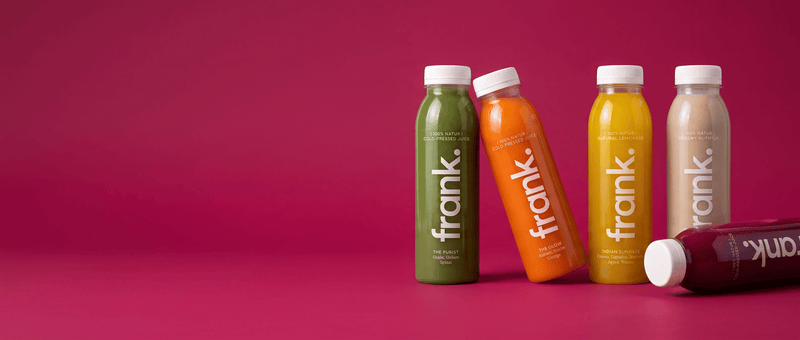
As the manufacturer, we stick to this: according to the brand, the frank. Juice Cleanses are not intended for pregnant and breastfeeding women. The same caution applies to shots, unless something else has been agreed with a doctor.
For context: there are women who tolerate ginger well in pregnancy and benefit from it, and others for whom it makes nausea worse or triggers heartburn, which is more common in pregnancy anyway. Your body is the best feedback. A teaspoon of freshly grated ginger in water can also be a first, gentle test if your doctor has no objection.
Does ginger really help against pregnancy nausea?
There are indications of it, but no guarantee that it will work for you. According to the NCCIH, ginger can be helpful for nausea and vomiting in pregnancy. The NHS speaks of some indications, not of reliable proof. The statements refer to supplements and preparations in controlled amounts, not to self-pressed concentrates.
| Source | Statement on ginger in pregnancy |
|---|---|
| NCCIH | can be helpful, supplements can be safe, ask beforehand |
| NHS | some indications of relief, ask the pharmacy before supplements |
The NHS also names home remedies that are often better tolerated: small, frequent meals with light, carbohydrate-rich foods, cold rather than hot food, enough fluid, rest and acupressure on the wrist.
What about breastfeeding?
For breastfeeding, the NCCIH says the safety of ginger supplements is unknown. That doesn't mean ginger in food is forbidden, but high-dose concentrates should be discussed.
In practice: ginger as a spice in food is a different order of magnitude from a shot. If you're breastfeeding, talk to your midwife, doctor or pharmacy before adding a shot, a cleanse or a supplement to your routine. That also applies to ingredients like echinacea or ashwagandha found in individual shots. On echinacea, the NCCIH writes that only limited safety data are available for pregnancy and breastfeeding.
What's the difference between spice, tea and shot?
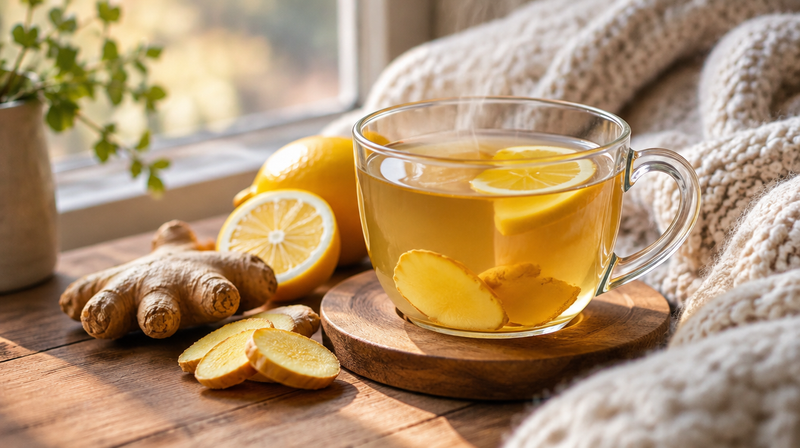
The amount makes the difference. A slice of ginger in a vegetable curry is spread across a whole meal. A shot brings the pungent compounds into the stomach in a few millilitres all at once. In between sits tea, where you control strength via the steeping time.
| Form | Concentration | What you can watch for |
|---|---|---|
| Spice in food | low | usually uncritical, to taste |
| Ginger tea | medium | keep steeping time short, not litres |
| Ginger Shot | high | talk to your doctor or midwife first |
| Capsules | high and standardised | only after consultation, follow the manufacturer's instructions |
On tea, the NHS gives a further note: don't drink more than 4 cups of herbal tea a day and avoid teas with liquorice root, because there is little research on it. Liquorice, incidentally, is in our Calm Down Tea, so you shouldn't drink it during pregnancy.
A rule of thumb for everyday life: the more concentrated a product, the more important it is to ask. That goes for ginger just as for other plant compounds.
Which ingredients in shots should you additionally watch?
Shots don't consist only of ginger. Depending on the flavour, the blends contain other plant compounds that come with their own notes.
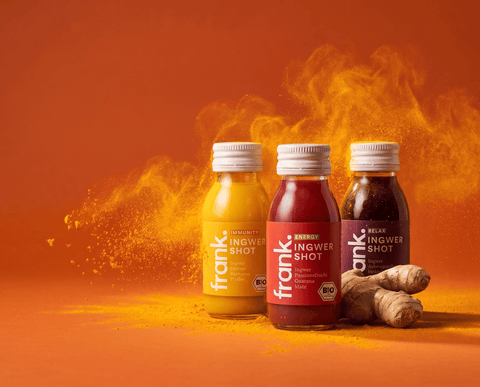
| Shot | Other ingredients (according to frank.) | Note |
|---|---|---|
| Immunity | Turmeric, pepper, orange, echinacea, acerola | Echinacea: limited data for pregnancy and breastfeeding (NCCIH) |
| Energy | Guarana, mate, aronia, passion fruit | contains natural caffeine |
| Relax | Ashwagandha, lavender, blueberry, curry leaf extract | Check ashwagandha with a doctor beforehand |
With the Energy shot, caffeine plays a role: mate and guarana provide caffeine, which you should discuss with your doctor in pregnancy. We don't give the amount per bottle here because we don't have it. If in doubt, ask our customer service or your doctor.
What can you do about nausea instead?
Before you reach for concentrates, the simple things often help. The NHS recommends getting enough rest, because tiredness can make nausea worse, eating small, frequent meals and drinking enough.
- Eat something dry such as a rusk or cracker before getting up.
- Split meals into five or six small portions.
- Cold food smells less intense than warm.
- Drink in sips throughout the day.
- Try acupressure wristbands; the NHS says they can help.
You'll find background on stress during this time in the article Effects of Stress During Pregnancy.
When must you see a doctor for nausea?
With severe nausea, you shouldn't battle through on home remedies alone. The NHS names these warning signs, in which case you should contact your midwife, GP or the out-of-hours medical service:
- Very dark urine or not passing urine for more than 8 hours.
- Being unable to keep down food or fluid for 24 hours.
- Weakness, dizziness or fainting when standing up.
- Stomach pain, high temperature or blood in vomit.
- Weight loss.
If symptoms stay severe despite adjustments, according to the NHS doctors can prescribe medication considered well tolerated in pregnancy. A shot doesn't replace this check.
How do you proceed most safely?
A simple order: first ask your doctor or midwife, then test in small amounts, then observe. Ginger is a food, but a shot is a concentrate, and in pregnancy the rule is: if in doubt, ask first.
If you drink a shot, only with approval and not on an empty stomach. For general questions on amounts, read the article Ginger Shot: How Much Per Day? and for effects Ginger Effects.
Briefly record what you drank when and how you felt. These notes help at your next check-up, because your doctor can then see exactly what you tolerate.
Matching picks from frank.
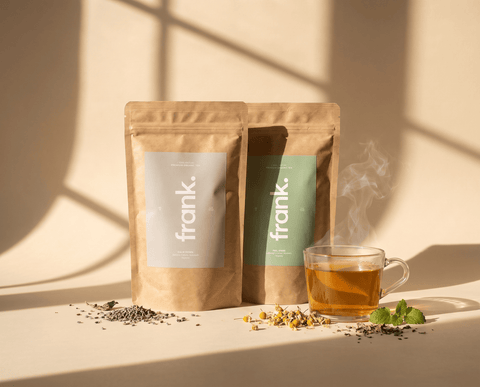
If you're looking for mild alternatives in pregnancy, take a look at the Organic Teas and check the ingredients with your doctor or midwife beforehand. The teas are available from €15 per 100 g (as of October 2026). The Juice Cleanses are not intended for pregnant and breastfeeding women.
You might also like
Frequently asked questions about Ginger Shots in pregnancy and breastfeeding
Is ginger dangerous in pregnancy?
As a spice in food it is considered unproblematic. With supplements and shots you should ask first, as the NHS and NCCIH recommend.
Can I drink Ginger Shots while breastfeeding?
According to the NCCIH, the safety of ginger supplements while breastfeeding is unknown. Talk to your midwife or doctor beforehand.
Does ginger help against morning sickness?
There are indications of relief, but the evidence is limited. If you suffer badly, have it checked by a doctor.
What alternatives to ginger are there for nausea?
The NHS names small, frequent meals, cold food, enough fluid, rest and acupressure on the wrist.
Are frank. Ginger Shots suitable for pregnant women?
We give no blanket approval for this. Discuss shots with your doctor or midwife beforehand.
Note: This article is for general information and is not a substitute for medical or therapeutic advice. If you have complaints, pre-existing conditions, are pregnant or take medication, please talk to your doctor first.