















There are now 2.6 million vegans and 3.6 million vegetarians living in Germany. The reasons for a purely plant-based or simply meat-free diet are very varied. If you're thinking about going vegan or vegetarian too, here's a short introduction to the topic and a look at which way of eating suits you better.
The difference between vegan and vegetarian
The difference is actually quite simple to explain: while vegetarians give up meat, fish and shellfish, vegans cut everything of animal origin from their menu. That means that besides meat and fish, dairy, eggs and honey are off limits too. Veganism also means much more than a purely plant-based diet: vegans pay attention to fabrics and production conditions in clothing. Leather, fur and wool, for example, aren't tolerated on their own skin. Mostly the reason for vegetarian and vegan convictions is animal welfare. Vegans in particular face a lot of prejudice. We cleared up 3 of them in the post "Let's set the record straight: 3 myths about a vegan diet". The advantage of a vegan or vegetarian diet is above all that people generally feel better physically. Vegans and vegetarians are less likely to suffer from being overweight, high blood pressure and type 2 diabetes.
What should you watch out for as a vegan?
It's clear now: vegans don't consume anything animal. While they used to have a hard time, every supermarket now has plant-based alternatives to traditional animal products. In our blog post "Plant-based milk tested" we already took a close look at various milk alternatives for you. It's often not that easy to spot animal ingredients: processing aids such as gelatine and egg white hide in many ingredient lists where inexperienced vegans wouldn't expect them. Lactose (milk sugar), carmine (a red colouring obtained from scale insects) and fish-based omega-3 fatty acids are also deal-breakers for vegans. To still cover all nutrients, it's especially important for vegans to eat a varied, nutrient-rich diet with plenty of vegetables and fruit, to cover important vitamins and nutrients such as iron. If you don't quite manage that, you can also reach for food supplements. All vegans should also supplement vitamin B12.
Want to eat vegetarian?
As a vegetarian you give up meat, fish and shellfish, as mentioned at the start. Substitutes are available too, since many supermarkets stock vegetarian alternatives. More and more restaurants now have a vegetarian option as well. For vegans that's still harder! The reasons for a vegetarian diet can be ethical or ecological, as you don't want animals killed for your own purposes and want to reduce factory farming. Health reasons are not unusual either: animal foods, above all because of their saturated fatty acids, are considered to promote inflammation and so can harm the whole organism when consumed in excess.
But vegetarians also need to make sure they get enough nutrients. Even though vegetarians tend to have a better supply of vitamin B12, potassium, magnesium, folic acid, vitamin C and vitamin E, nutrients such as iron and others have to be added through more vegetables or through food supplements.
frank juice as support
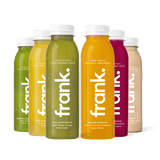
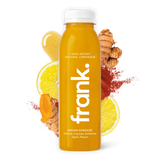
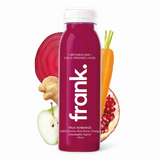
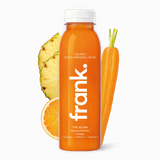
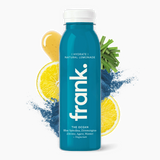
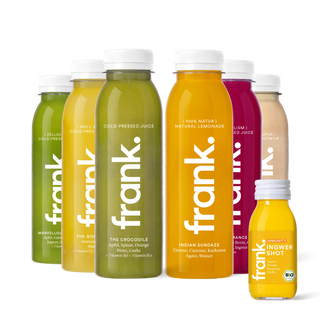
Both a vegetarian and a vegan diet are first of all a question of motivation and habit. If you're ready to change your diet and to engage with it in depth, then once you've settled in you won't find it hard to take on these ways of eating. To also get important vitamins and nutrients quickly, our cold-pressed fruit and vegetable juices can help too. Cold-pressing keeps most vitamins and nutrients intact and gives your body a vitamin kick.
There are now 2.6 million vegans and 3.6 million vegetarians living in Germany. The reasons for a purely plant-based or simply meat-free diet are very varied. If you are also thinking about eating vegan or vegetarian, here is a short introduction to the topic, and we will show you which way of eating suits you better.
The Difference Between Vegan and Vegetarian
The difference is actually quite simple to explain: while vegetarians give up meat, fish and shellfish, vegans strike everything of animal origin from their menu. That means that besides meat and fish, dairy products, eggs and honey are off limits too. Veganism also means much more than a purely plant-based diet: vegans pay attention to the fabrics and production conditions of their clothing. Leather, fur and wool, for example, are not tolerated on their own skin. Most of the time, the reason for vegetarian and vegan convictions is animal welfare. There are many prejudices, especially towards vegans. We cleared up 3 of them in the article “We set the record straight: 3 Myths About a Vegan Diet”. The main advantage of a vegan or vegetarian diet is, as a rule, better physical wellbeing. Vegans and vegetarians less often suffer from being overweight, high blood pressure and type 2 diabetes.
What Should You Watch Out for as a Vegan?
So it is clear: vegans consume nothing of animal origin. While they used to have a hard time, there are now plant-based alternatives to the traditional animal products in every supermarket. In our blog article “Plant-Based Milk Put to the Test” we have already taken a close look at different milk alternatives for you. It is often not that easy to spot animal ingredients: processing aids such as gelatine and egg white hide in many ingredient lists where inexperienced vegans wouldn't have expected them. Lactose (milk sugar), carmine (a red dye obtained from scale insects) and fish-based omega-3 fatty acids are also exclusion criteria for vegans. To still cover all nutrients, it is especially important for vegans to make sure they eat a varied, nutrient-rich diet with lots of vegetables and fruit, to cover important vitamins and also nutrients such as iron. If you don't quite manage that, you can also reach for dietary supplements. All vegans should also take vitamin B12 su

Want to Go Vegetarian?
As a vegetarian, as mentioned at the start, you give up meat, fish and shellfish. Substitutes are taken care of too, as you can find vegetarian alternatives in many supermarkets. More and more restaurants now have a vegetarian option as well. For vegans it is already harder! The reasons for a vegetarian diet can be ethical or ecological, since you don't want animals killed for your own purposes and want to reduce factory farming. Health reasons are no exception either: animal foods, above all because of their saturated fatty acids, are considered pro-inflammatory and so, if eaten in excess, harm the whole organism.
But vegetarians also have to make sure they get enough nutrients. Even though they tend to be better supplied with vitamin B12, potassium, magnesium, folic acid, vitamin C and vitamin E, nutrients such as iron and the like have to be topped up with more vegetables or through dietary supplements.
Frank Juice as Support
Both a vegetarian and a vegan diet are first of all a question of motivation and habit. If you are ready to change your diet and to look into it in depth, then once you have got used to it, adopting these ways of eating won't be hard for you. To get hold of important vitamins and nutrients quickly, our cold-pressed fruit and vegetable juices can help you too. Cold pressing keeps most of the vitamins and nutrients intact, and you give your body a vitamin kick.
The juice cleanses from frank. are all vegan. Choose a 1-day juice cleanse, or go for the 7-day juice cleanse. You can also extend our cleanses with supplements from BIOGENA into a gut cleanse, beauty cleanse or energy cleanse, all of which are vegan as well.