In short: A simple intermittent fasting plan for beginners is 16:8. You eat, for example, from 12 noon to 8 pm and fast for the remaining 16 hours, during which you drink water and unsweetened tea. If you prefer something gentler, start with 14:10; advanced fasters try 18:6 or 5:2. Below you'll find a daily plan with recipe ideas for each method. As of: October 2026.
| Method | Eating window | Suitable for |
|---|---|---|
| 14/10 | 10 hours a day | Beginners |
| 16/8 | 8 hours a day, e.g. 12 noon to 8 pm | the most popular everyday plan |
| 18/6 | 6 hours a day | Advanced |
| 5:2 | 5 normal days, 2 fasting days per week | those who don't want to watch their meals every day |
You'll find more basics in Intermittent fasting: what you need to know and in the Intermittent Fasting Nutrition Guide. Whether a juice cleanse or intermittent fasting suits you better is explained in this comparison. Intermittent fasting is not suitable during pregnancy, with eating disorders and for children. If you have pre-existing conditions or take medication, talk to your doctor first.
Daily plan for the 16/8 method
Intermittent fasting is a growing trend in the health and wellness industry.
One of the most popular methods is 16:8 fasting. In this article you'll learn everything about the 16:8 method, how to create an intermittent fasting plan and what benefits this fasting method offers.
Basics of the 16/8 method
The 16/8 method is a popular fasting variant in intermittent fasting.
With this method the daily plan consists of a 16-hour fasting phase followed by an 8-hour eating window. This method is also called 16-hour fasting.
Typically people skip breakfast when intermittent fasting and start eating at midday, for example at 12 noon.
They can then have their meals until 8 pm. For the remaining 16 hours of the day, including sleeping time, they fast.
This fasting method helps the body burn stored fat reserves and thus promotes weight loss.
Benefits of the 16.8 method
The 16/8 method of intermittent fasting offers numerous benefits for health and well-being.
By limiting eating times to an 8-hour window and a 16-hour fasting phase, this method can help regulate body weight and improve metabolism.
By keeping a longer fasting time, your body has more time to tap into stored fat reserves, which can lead to more effective fat burning.
In addition, the 16/8 method can help stabilise blood sugar levels and improve insulin sensitivity, which in the long term can reduce the risk of diabetes and other metabolic disorders.
Regular use of this method can also help avoid the yo-yo effect by promoting sustainable weight loss.
Furthermore, many people who practise the 16/8 method report increased energy levels, improved mental clarity and better overall health.
By focusing on healthy, nutrient-rich foods during the eating phases, they can also improve their eating habits in the long term and thus increase their overall well-being. The flexibility of this method also lets people fit it easily into their daily life without feeling restricted or burdened.
All in all, the 16/8 method offers a practicable and effective strategy for weight loss, improving metabolic health and promoting your overall well-being.
Recipe ideas for the eating windows
During the 8 hours of food intake it's important to eat healthy and nutritious meals. A typical daily plan could look like this:
Lunch (12 noon): A balanced meal such as a salad with quinoa, avocado and grilled chicken.
- Ingredients: 100 g quinoa, 1 avocado, 200 g chicken breast, mixed salad (spinach, rocket), cherry tomatoes, cucumber, olive oil, lemon juice, salt, pepper.
- Preparation: Cook the quinoa according to the packet instructions. Cut the chicken breast into strips, season with salt and pepper and fry in olive oil. Put the salad, cherry tomatoes and cucumber in a bowl. Dice the avocado and add. Add the quinoa and chicken, drizzle with olive oil and lemon juice and mix.
Snack (4 pm): A piece of fruit or a handful of nuts.
Dinner (8 pm): Grilled salmon with steamed vegetables and brown rice.
- Ingredients: 200 g salmon fillet, 100 g brown rice, broccoli, carrots, courgette, salt, pepper, olive oil, lemon juice.
- Preparation: Cook the rice according to the packet instructions. Season the salmon fillet with salt and pepper and fry in olive oil. Steam the vegetables until soft. Arrange everything on a plate and drizzle with lemon juice.
These recipes help supply the body with important nutrients without exceeding calorie needs.
Unsweetened tea and black coffee can also be consumed during the fasting phase to suppress hunger.
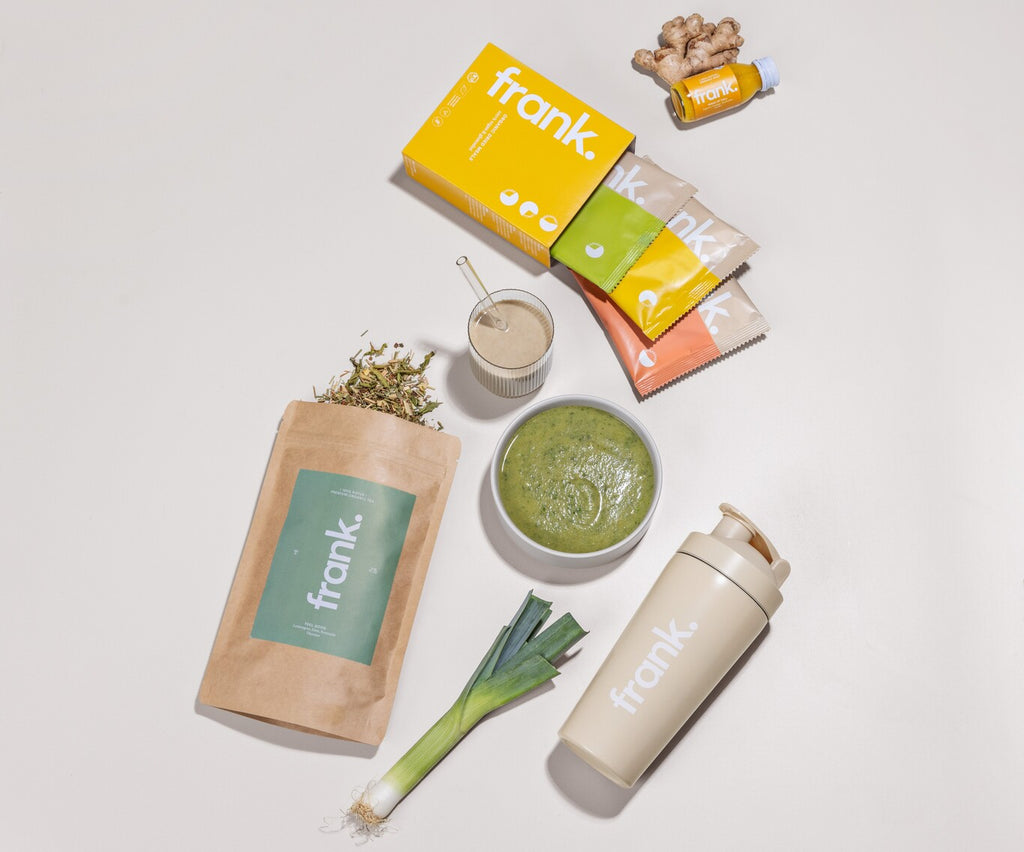
Vegan recipe ideas for the eating windows
Since frank. is a vegan brand, we've of course also prepared a vegan alternative daily plan for you. A typical daily plan could look like this:
Lunch (12 noon): A balanced meal such as a salad with quinoa, avocado and grilled tofu.
- Ingredients: 100 g quinoa, 1 avocado, 200 g tofu, mixed salad (spinach, rocket), cherry tomatoes, cucumber, olive oil, lemon juice, salt, pepper.
- Preparation: Cook the quinoa according to the packet instructions. Cut the tofu into strips, season with salt and pepper and fry in olive oil. Put the salad, cherry tomatoes and cucumber in a bowl. Dice the avocado and add. Add the quinoa and tofu, drizzle with olive oil and lemon juice and mix.
Snack (4 pm): A piece of fruit or a handful of nuts.
Dinner (8 pm): Grilled tempeh with steamed vegetables and brown rice.
- Ingredients: 200 g tempeh, 100 g brown rice, broccoli, carrots, courgette, salt, pepper, olive oil, lemon juice.
- Preparation: Cook the rice according to the packet instructions. Season the tempeh with salt and pepper and fry in olive oil. Steam the vegetables until soft. Arrange everything on a plate and drizzle with lemon juice.
Tips for successful implementation
To implement the 16/8 method successfully, you should follow a few tips:
Hydration: Drink enough water during the fasting phase.
Meal preparation: Plan your meals in advance to avoid temptations.
Regularity: Stick to fixed times for your eating windows.
Change in diet: Focus on a healthy diet with plenty of fibre, protein and healthy fats.
Frequently asked questions about the 16/8 method
- Can I drink something during the fasting phase? Yes, calorie-free drinks such as water, unsweetened tea and black coffee are allowed during the fasting time.
- How do I avoid the yo-yo effect? The yo-yo effect can be avoided through a permanent change in diet and regular intermittent fasting.
- Is the 16/8 method suitable for everyone? In principle yes, but people with certain health problems should consult a doctor before starting.
Daily plan for the 18/6 method
Basics of the 18/6 method
The 18/6 method is a more intensive variant of intermittent fasting. Here you fast for 18 hours and only eat within a 6-hour window.
This fasting phase can help speed up metabolism and promote weight reduction. A typical meal plan could run from 12 noon to 6 pm, with fasting for the remaining 18 hours of the day.
This method requires discipline but is effective for losing weight and weight reduction.
Recipe ideas for the eating windows
For the 18/6 method it's important that the meals within the 6-hour window are nutrient-rich:
Lunch (12 noon): A protein bowl with lentils, spinach, tomatoes and feta.
- Ingredients: 100 g lentils, 100 g spinach, 100 g cherry tomatoes, 50 g feta, olive oil, salt, pepper.
- Preparation: Cook the lentils according to the packet instructions. Wash the spinach and chop roughly. Halve the cherry tomatoes. Dice the feta. Mix all ingredients in a bowl and season with olive oil, salt and pepper.
Snack (3 pm): A smoothie made from green vegetables and fruit.
- Ingredients: 1 handful of spinach, 1/2 cucumber, 1 apple, 1 banana, 200 ml water.
- Preparation: Put all ingredients in a blender and blend into a smoothie.
Dinner (6 pm): Fried tofu pieces with quinoa and broccoli.
- Ingredients: 200 g tofu, 100 g quinoa, 200 g broccoli, soy sauce, ginger, garlic, olive oil.
- Preparation: Cook the quinoa according to the packet instructions. Divide the broccoli into small florets and steam. Cut the tofu into cubes, fry in olive oil and season with soy sauce, ginger and garlic. Serve everything together.
Vegan recipe ideas for the eating windows
Lunch (12 noon): A protein bowl with lentils, spinach, tomatoes and avocado.- Ingredients: 100 g lentils, 100 g spinach, 100 g cherry tomatoes, 1 avocado, olive oil, salt and pepper
- Preparation: Cook the lentils according to the packet instructions. Wash the spinach and chop roughly. Halve the cherry tomatoes. Dice the avocado. Mix all ingredients in a bowl and season with olive oil, salt and pepper.
Snack (3 pm): A smoothie made from green vegetables and fruit.
- Ingredients: 1 handful of spinach, 1/2 cucumber, 1 apple, 1 banana, 200 ml water
- Preparation: Put all ingredients in a blender and blend into a smoothie.
Dinner (6 pm): Fried tofu pieces with quinoa and broccoli.
- Ingredients: 200 g tofu, 100 g quinoa, 200 g broccoli, soy sauce, ginger, garlic, olive oil
-
Preparation: Cook the quinoa according to the packet instructions. Divide the broccoli into small florets and steam. Cut the tofu into cubes, fry in olive oil and season with soy sauce, ginger and garlic. Serve everything together.
Benefits of the 18/6 method:
The 18/6 method of intermittent fasting offers similar benefits to the 16/8 method, but with a slightly longer fasting phase.
By limiting eating times to a 6-hour window and an 18-hour fasting phase, this method can help optimise fat burning further and boost metabolism further.
A longer fasting time allows the body to dig deeper into its fat reserves, which can lead to more effective weight loss. In addition, the 18/6 method can help improve insulin sensitivity further and keep blood sugar levels even more stable than shorter fasting periods.
By focusing on healthy, nutrient-rich foods during eating times, they can also improve their eating habits in the long term and thus support their overall health.
The flexibility of this method lets people adapt it to their individual needs and fit it easily into their lifestyle. All in all, the 18/6 method offers an effective strategy for weight loss, improving metabolic health and promoting general well-being.

Tips for successful implementation
Start slowly: begin with the 16/8 method and work up to the 18/6 method.
Count calories: make sure not to take in too many calories during the eating windows.
Be patient: give your body time to get used to the new fasting routine.
Frequently asked questions about the 18/6 method
- Is the 18/6 method harder than the 16/8 method? Yes, the longer fasting phase requires more discipline and adjustment.
- Can I train during the fasting phase? Light training is possible, but intense workouts should take place during the eating phases.
-
Which drinks are allowed? As with the 16/8 method, water, unsweetened tea and black coffee are allowed.
Daily plan for the 14/10 method
Basics of the 14/10 method
The 14/10 method is a less restrictive form of intermittent fasting. Here you fast for 14 hours and eat for 10 hours.
This variant of intermittent fasting is especially suitable for beginners, as the fasting phase is shorter and easier to fit into everyday life.
A typical plan could have the eating window from 10 am to 8 pm.
Recipe ideas for the eating windows
The meals within the 10-hour window should be healthy and balanced:
Breakfast (10 am): Greek yoghurt with berries and nuts.
- Ingredients: 200 g Greek yoghurt, a handful of mixed berries (e.g. blueberries, raspberries), a handful of nuts (e.g. almonds, walnuts), 1 tsp honey.
- Preparation: Put the yoghurt in a bowl, sprinkle berries and nuts on top, sweeten with honey.
Lunch (2 pm): Wholegrain sandwich with avocado, chicken and vegetables.
- Ingredients: 2 slices of wholegrain bread, 1 avocado, 100 g chicken breast, mixed vegetables (e.g. lettuce leaves, tomato slices, cucumber slices), salt, pepper.
- Preparation: Mash the avocado and spread on the bread. Cut the chicken breast into strips and fry. Wash and cut the vegetables. Arrange everything on the bread and season.
Dinner (7 pm): Spaghetti with tomato sauce and a side salad.
- Ingredients: 100 g wholewheat spaghetti, 200 g tomato sauce (homemade or from a jar), mixed salad, olive oil, balsamic vinegar, salt, pepper.
- Preparation: Cook the spaghetti according to the packet instructions. Heat the tomato sauce. Wash the salad and put in a bowl, season with olive oil, balsamic vinegar, salt and pepper. Serve the spaghetti with tomato sauce and salad.
Vegan recipe ideas for the eating windows
The meals within the 10-hour window should be healthy and balanced:
Breakfast (10 am): Soy yoghurt with berries and nuts
- Ingredients: 200 g soy yoghurt, a handful of mixed berries (e.g. blueberries, raspberries), a handful of nuts (e.g. almonds, walnuts), 1 tsp agave syrup or maple syrup (optional)
- Preparation: Put the soy yoghurt in a bowl. Sprinkle berries and nuts on top. Optionally sweeten with agave syrup or maple syrup.
Lunch (2 pm): Wholegrain sandwich with avocado and vegetables
- Ingredients: 2 slices of wholegrain bread, 1 avocado, mixed vegetables (e.g. lettuce leaves, tomato slices, cucumber slices), salt, pepper
- Preparation: Mash the avocado and spread on the bread. Wash and cut the vegetables. Arrange everything on the bread and season with salt and pepper.
Dinner (7 pm): Vegan spaghetti with tomato sauce and a side salad
- Ingredients: 100 g wholewheat spaghetti, 200 g tomato sauce (homemade or from a jar), mixed salad, olive oil, balsamic vinegar, salt, pepper
- Preparation: Cook the spaghetti according to the packet instructions. Heat the tomato sauce. Wash the salad and put in a bowl. Season with olive oil, balsamic vinegar, salt and pepper. Serve the spaghetti with tomato sauce and salad.
Benefits of the 14/10 method:
The 14/10 method of intermittent fasting offers a less restrictive alternative to the longer fasting periods of the 16/8 and 18/6 methods.
By limiting eating times to a 10-hour window and a 14-hour fasting phase, this variant can help boost metabolism and support weight loss without restricting participants heavily.
The shorter fasting time makes it easier for people to get used to the method and fit it better into their daily life.
The flexibility of this variant of intermittent fasting makes it easier for people to adapt it to their individual needs and keep it up in the long term.
In addition, many users of the 14/10 method report increased energy levels and improved mental clarity during the fasting phases.
By focusing on healthy, nutrient-rich foods during eating times, they can also improve their eating habits in the long term and thus support their overall health.
Tips for successful implementation
Regular meals: Keep to fixed mealtimes to get the body used to the new rhythm.
Healthy snacks: Choose healthy snacks such as fruit and nuts to avoid cravings.
Flexibility: This method is more flexible and therefore easier to adapt to your individual lifestyle.
Frequently asked questions about the 14/10 method
- Is the 14/10 method effective? Yes, especially for beginners this variant can be a good introduction to intermittent fasting.
- Can I adjust my fasting plan? Yes, the 14/10 method is flexible and can easily be adapted to personal preferences.
-
How do I avoid hunger during the fasting time? Drink plenty of water and keep busy to create distraction.

Daily plan for the 5:2 method
Basics of the 5:2 diet
The 5:2 method is another popular form of intermittent fasting.
With this method you eat normally five days a week and fast on two non-consecutive days. On fasting days calorie intake is limited to around 500-600 calories a day.
This method is especially suitable for people who want to eat normally on most days but still want to enjoy the benefits of fasting.
Recipe ideas for fasting days and normal days
On fasting days, low-calorie but nutritious dishes should be chosen:
Breakfast (fasting day): A small smoothie made from spinach, cucumber and half an apple.
- Ingredients: 1 handful of spinach, 1/2 cucumber, 1/2 apple, 200 ml water.
- Preparation: Put all ingredients in a blender and blend into a smoothie.
Lunch (fasting day): A vegetable soup without cream.
- Ingredients: 1 carrot, 1 celery stick, 1 courgette, 1 tomato, 500 ml vegetable broth, salt, pepper.
- Preparation: Cut the vegetables small and simmer in the broth until soft. Season with salt and pepper.
Dinner (fasting day): A small salad with lean chicken.
- Ingredients: Mixed salad (e.g. rocket, spinach, cherry tomatoes), 100 g chicken breast, olive oil, lemon juice, salt, pepper.
- Preparation: Wash the salad and put in a bowl. Cut the chicken breast into strips and fry. Season with olive oil, lemon juice, salt and pepper.
On normal days you can eat regularly, but here too you should pay attention to a balanced diet:
Breakfast (normal day): Oats with milk and berries.
- Ingredients: 50 g oats, 200 ml milk, a handful of mixed berries, 1 tsp honey.
- Preparation: Cook the oats with milk and serve with berries and honey.
Lunch (normal day): Wholewheat pasta with pesto and tomatoes.
- Ingredients: 100 g wholewheat pasta, 2 tbsp pesto, 100 g cherry tomatoes, Parmesan, salt, pepper.
- Preparation: Cook the pasta according to the packet instructions. Halve the cherry tomatoes. Mix the pasta with pesto and tomatoes, sprinkle with Parmesan and season.
Dinner (normal day): Grilled chicken with oven-roasted vegetables.
- Ingredients: 200 g chicken breast, 1 sweet potato, 1 pepper, 1 courgette, olive oil, salt, pepper, rosemary.
-
Preparation: Cut the vegetables into cubes and mix with olive oil, salt, pepper and rosemary. Bake in the oven at 200 degrees for about 20 minutes. Season the chicken breast and grill. Serve with the oven-roasted vegetables.

Vegan recipe ideas for fasting days and normal days
On fasting days, low-calorie but nutritious dishes should be chosen:
Breakfast (fasting day): A small smoothie made from spinach, cucumber and half an apple
- Ingredients: 1 handful of spinach, 1/2 cucumber, 1/2 apple, 200 ml water
- Preparation: Put all ingredients in a blender and blend into a smoothie.
Lunch (fasting day): A vegetable soup
- Ingredients: 1 carrot, 1 celery stick, 1 courgette, 1 tomato, 500 ml vegetable broth, salt, pepper
- Preparation: Cut the vegetables small and simmer in the vegetable broth until soft. Season with salt and pepper.
Dinner (fasting day): Quinoa salad with marinated tofu
- Ingredients: 100 g quinoa, 200 g mixed salad (e.g. rocket, spinach, cherry tomatoes), 150 g tofu, olive oil, lemon juice, salt and pepper
- Preparation: Cook the quinoa according to the packet instructions and let cool. Cut the tofu into cubes, marinate with olive oil and lemon juice and fry briefly. Wash the salad and put in a bowl, add the quinoa and marinated tofu. Season with salt and pepper.
On normal days you can eat regularly, but here too you should pay attention to a balanced diet:
Breakfast (normal day): Oats with soy milk and berries
- Ingredients: 50 g oats, 200 ml soy milk, a handful of mixed berries, 1 tsp maple syrup (optional)
- Preparation: Cook the oats with soy milk. Serve with berries and optionally maple syrup.
Lunch (normal day): Wholewheat pasta with pesto and sun-dried tomatoes
- Ingredients: 100 g wholewheat pasta, 2 tbsp pesto, 50 g sun-dried tomatoes, salt and pepper
- Preparation: Cook the pasta according to the packet instructions. Cut the sun-dried tomatoes small. Mix the pasta with pesto and sun-dried tomatoes, season with salt and pepper.
Dinner (normal day): Fried tofu with oven-roasted vegetables
- Ingredients: 200 g tofu, 1 sweet potato, 1 pepper, 1 courgette, olive oil, salt, pepper, rosemary
- Preparation: Cut the vegetables into cubes and mix with olive oil, salt, pepper and rosemary. Bake in the oven at 200 degrees for about 20 minutes. Cut the tofu into cubes and fry in a pan with a little olive oil until golden brown. Serve the tofu together with the oven-roasted vegetables.
Benefits of the 5:2 method:
The 5:2 method of intermittent fasting offers a flexible and adaptable alternative to the daily fasting periods of other methods.
On five days of the week you eat normally and on two non-consecutive days you reduce calorie intake to around 500-600 calories a day.
This method lets people enjoy the benefits of fasting without permanently changing their eating habits or giving up certain foods.
By reducing calorie intake on two days, people can achieve a negative energy balance and thus promote weight loss.
In addition, many users of the 5:2 method report increased energy levels and improved mental clarity on the fasting days.
By focusing on healthy, low-calorie foods on these days, they can also improve their eating habits in the long term and thus support their overall health.
Tips for successful implementation
Planning: Plan your fasting days in advance and stick to the set calorie limits.
Balance: Eat in a balanced way on normal days so as not to catch up too much.
Patience: It can take a few weeks for the body to get used to the switch between fasting and eating phases.
Frequently asked questions about the 5:2 diet
- How do I choose my fasting days? Choose two non-consecutive days that suit you best.
- What happens if I eat too many calories on fasting days? Try to stick to the calorie limit, but a small slip-up isn't the end of the world.
-
Can I exercise on fasting days? Light training is possible, but intense physical activity should be avoided.

FAQs about intermittent fasting
Intermittent fasting has gained popularity in recent years, but there are still many questions about it. Here are some of the most common questions and answers:
What does an intermittent fasting plan look like?
An intermittent fasting plan depends on the variant chosen.
With the 16/8 method, for example, you fast 16 hours a day and eat in an 8-hour window. That could mean eating dinner at 8 pm and only eating again at 12 noon the next day.
With the 5:2 method you eat normally on five days and fast on two non-consecutive days, with calorie intake limited to around 500-600 calories on these days.
It's important to choose a plan that fits your lifestyle and your goals.
What are the best times for intermittent fasting?
The best times for intermittent fasting vary depending on your individual daily rhythm and lifestyle.
Many people prefer to fast overnight by having their dinner early and only eating again around midday the next day. Others prefer to eat earlier and start their fasting time later in the day.
What's important is to choose a time that fits your daily routine and feels good for you!
Can I drink something during the fasting phase?
Yes, calorie-free drinks such as water, unsweetened tea and black coffee are allowed during the fasting phase.
These drinks help suppress hunger and keep the body hydrated.
How do I avoid the yo-yo effect?
The yo-yo effect often occurs when people fall back into their old eating habits after a diet.
To avoid the yo-yo effect, it's important to see intermittent fasting as a long-term change in diet.
Focus on a balanced diet and stick to regular intermittent fasting to achieve long-term results.
Is the 16/8 method suitable for everyone?
The 16/8 method is suitable for most people, but people with certain health problems or eating disorders should consult a doctor before starting.
Pregnant women, breastfeeding mothers and people with diabetes should be especially careful and seek medical advice before starting intermittent fasting.
How long does it take to see results from intermittent fasting?
The results of intermittent fasting can vary from person to person and depend on various factors such as individual metabolism, diet and physical activity.
Some people may see first results such as weight loss or improved energy and mood after just a few weeks, while for others it can take longer.
Can I exercise during the fasting phase?
Light training such as walking, yoga or swimming is generally harmless during the fasting phase.
Intense physical activities should however be done during the eating phases to make sure the body has enough energy.
Is intermittent fasting suitable for children?
Intermittent fasting is not recommended for children and teenagers, as they are still developing and need a balanced diet to get all the nutrients their body needs.
It's important that children eat regularly and do not go on extreme diets.
Can intermittent fasting help build muscle?
Intermittent fasting can have a supporting effect on building muscle, especially when combined with regular strength training.
During the fasting phase, the body can draw more on fat reserves, which can help preserve muscle mass and promote fat loss.
frank. intermittent fasting method
If you're looking for comprehensive support on your intermittent fasting journey, frank. offers exactly what you need. We focus on high-quality 5:2 intermittent fasting programmes and Food Cleanses in which you enjoy exclusively our Dried Meals. Our programmes are designed to meet your individual needs and goals and help you get closer to your health and nutrition goals. With a variety of options you can flexibly choose what suits your lifestyle best. Our Dried Meals are not only delicious and nutritious but also practical and time-saving, perfect for you if you have a hectic lifestyle or are simply looking for an easy solution for your meals. Visit our websiteto find out more about our 5:2 intermittent fasting programmes and our Food Cleanses.