



















Spirulina is an alga that has been used as a food source in many cultures for centuries. Blue spirulina is a special type of spirulina that is becoming more and more popular thanks to its blue colour and high nutrient density.
Whether in smoothies, a healthy breakfast bowl, desserts, baking cakes and so on... This bright blue superfood has become a fixture in our food and drinks, and its vivid blue colour alone is enough to win people over.
In this article we look at the effects and side effects of blue algae, explain where it actually comes from and whether you are better off taking it as tablets or powder!
We will also tell you on which occasions you can best enjoy our blue lemonade The Ocean with spirulina!
So if you are curious to learn more about blue spirulina algae, keep reading and discover everything you need to know!

What are the possible side effects of blue spirulina algae?
Even though this superfood is very good for the body, it also has a few rare and mild side effects that need to be mentioned.
Allergic reactions
Some people can react allergically to blue algae, which can lead to symptoms such as skin rash, hives, itching, breathing difficulties and dizziness. If you have an allergy to algae or are unsure whether you are allergic, you should avoid blue spirulina algae.
Digestive discomfort
Some people can experience digestive discomfort such as bloating, diarrhoea or nausea after eating blue algae. To avoid these side effects, you should increase your intake of blue spirulina algae slowly and drink enough water.
Interactions with medication
Blue spirulina algae can interact with certain medications, such as immunosuppressants or blood thinners. If you take medication, you should talk to your doctor before taking blue spirulina algae.
Heavy metal contamination
Blue algae can absorb heavy metals such as lead and mercury from the environment, which is why it is important to choose a high-quality and safe source of spirulina.
Where does blue spirulina algae actually come from?
The blue alga, also called spirulina platensis, occurs in freshwater and saltwater lakes in tropical and subtropical regions all over the world. It has been an important part of the human diet for centuries and has been valued as a nutritious food by many cultures. Today it is grown in aquaculture in various parts of the world to meet the rising demand for supplements and functional foods. Most commercially available blue spirulina products are made in the USA, Europe, Japan and China.

How is spirulina produced?
Spirulina is usually grown in aquaculture, which typically involves large open tanks or ponds filled with clean water. The microalga is generally cultivated in a sterile environment to prevent the growth of unwanted bacteria, such as cyanobacteria or other algae. The water in the tanks is changed regularly and supplied with the necessary nutrients to ensure optimal growth of the algae.
Once the spirulina algae have reached their optimal size, they are harvested and cleaned to remove impurities or unwanted substances. The alga is then ground into a fine blue spirulina powder or pressed into tablets or capsules, to be used as a supplement or as an ingredient in food and drinks.
There are different methods of producing spirulina, including the open pond system, the tube system and the closed photobioreactor system. Each method has its advantages and disadvantages and is chosen depending on the manufacturer and the desired quality.
Tablets or powder - how should I take blue spirulina algae?
Whether you should take spirulina as powder or as tablets depends on personal preferences and needs.
Powder
PROS
Blue spirulina powder is easy to stir into smoothies, juices or water and is quickly digested. It can also be used to make supplements or to add to various dishes such as soups, salads and dressings. You can also easily recognise pure spirulina powder without additives.
CONS
Spirulina powder can have an unpleasant texture and a strong aroma that some people find off-putting. It can also be harder to dose and needs to be measured precisely.
Tablets
PROS
Tablets are easy to dose and can be fitted into your daily routine with no effort. They have no unpleasant taste or smell and are easy to swallow. They are also handy to take with you when travelling.
CONS
Tablets can be full of additives, such as binders or fillers, which may be unnecessary or unwanted. It can also be difficult to read the exact composition on the packaging.
In the end, it comes down to what works best for you. If you have trouble swallowing pills or want to stir the powder into your daily meals, powder may be the better choice. If you want an exact dose or prefer taking tablets, tablets may be the best option.

Juice with blue spirulina algae - The Ocean from frank.
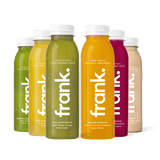
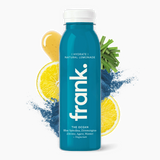
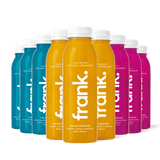
We love our deep blue blue lemonade The Ocean, which contains lemon juice, lemongrass and blue spirulina algae. The fruity and refreshing taste is rounded off with a little agave syrup.
We asked around the frank. office and asked our colleagues when and how they like to drink their The Ocean best.
Some take The Ocean to the gym as a refreshing power drink. The Ocean has only 14 kcal per 100 ml, which makes it a great replacement for water when you want more flavour during your workout. And as mentioned above, the blue algae may also give you an energy boost.
Others enjoy The Ocean on hot summer days with lots of ice and a slice of lemon for an extra freshness kick.
Whether in between meals or during a workout, we simply cannot get enough of our blue lemonade! How about you?