As a toddler you were always told "Eat your carrots, then your eyes will get better". But why, actually? In this post you'll find out how that saying is connected to secondary plant compounds and what other superpowers vegetables and fruit have.
What are secondary plant compounds?
Our foods such as fruit, vegetables, wholegrain, pulses and nuts contain secondary and primary plant compounds. Primary ones include carbohydrates, proteins and fats. There are quite a lot more secondary compounds. In total, 100,000 plant compounds have been discovered. Of these, 5,000-10,000 are found in our food. They are the reason for the different bright colours of fruit and vegetables and also give them their aroma. They are also said to have a health-supporting effect. However, this has not been scientifically proven. The actual purpose of secondary plant compounds is to protect the plants. They serve as defences against pests and regulate plant growth.
The effects of secondary compounds on health
So now we know that carrots are good for the eyes because they contain secondary plant compounds. Among other things they contain beta-carotene, which is the precursor of vitamin A. Other secondary plant compounds include glucosinolates, chlorophyll, flavonoids and sulphides, to name just a few. Many different effects are attributed to them. Among others, a positive influence on the immune system and a possible reduction in the risk of certain cancers. They are also said to have antibiotic and antioxidant effects.
Making secondary plant compounds work for you
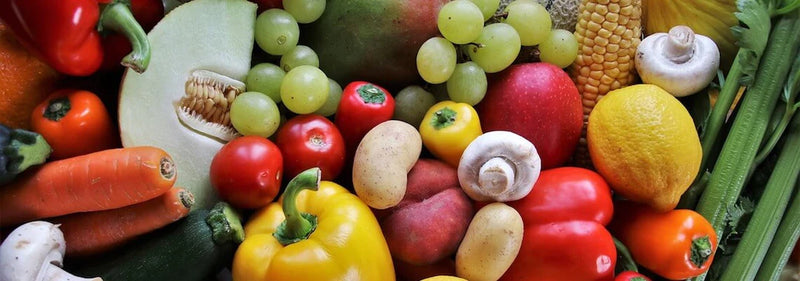
Vegetable and fruit extracts are no substitute for natural plant compounds. They can help, but you have to watch the amount. That's why it's important to eat a healthy and varied diet. And now you also know: the more colourful your fruit and vegetables, the more different secondary plant compounds you take in.
As a toddler you were always told "Eat up your carrots, then your eyesight will get better". But why, actually? In this post you'll find out how this saying is connected to secondary plant compounds and what other superpowers vegetables and fruit have.
What are secondary plant compounds?
Our foods such as fruit, vegetables, wholegrain, pulses and nuts contain secondary and primary plant compounds. Primary ones include carbohydrates, proteins and fats. There are quite a lot more secondary compounds. In total, 100,000 plant compounds have been discovered. Of these, 5,000-10,000 are found in our food. They are the reason for the different bright colours of fruit and vegetables and also give them their aroma. They are also credited with health-supporting effects, though this has not been scientifically proven. The actual purpose of secondary plant compounds is to protect the plants. They serve as defence substances against pests and control plant growth.
The effect of secondary compounds on health
Now we know that carrots are good for the eyes because they contain secondary plant compounds. Among other things they contain beta-carotene, which is the precursor of vitamin A. Other secondary plant compounds include glucosinolates, chlorophyll, flavonoids and sulphides, to name just a few. Many different effects are attributed to them. Among others, a positive influence on the immune system and a lower risk of certain cancers. They are also said to have antibiotic and antioxidant effects.
Making the most of secondary plant compounds
Vegetable and fruit extracts are no replacement for natural plant compounds. They can help, but the amount needs to be considered. That's why it's important to eat a healthy, varied diet. And now you also know: the more colourful your fruit and vegetables, the more different secondary plant compounds you take in. Our juice cleanse at Starter intensity contains 6 juices with lots of different types of fruit and vegetables... give the Starter juice cleanse a try.