


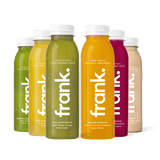







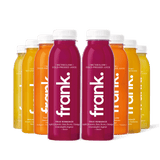
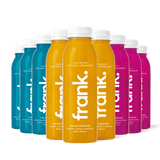





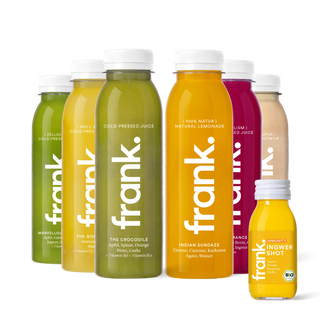


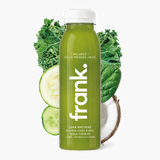


If sugar is bad, then fructose must be bad too, right? Are there differences in how fructose and refined household sugar work in the body? Sugar in its many forms is on the one hand dearly loved in foods and on the other despised by the nutrition-conscious. The question of fructose also often comes up with our juices as part of our fasting cleanses. But is a blanket answer even possible here?
In the following blog article, our nutritionist has made it her task to settle once and for all the question: how unhealthy is fructose?
Is fructose healthy?
Let's settle the most important question first: is fructose healthy? The answer isn't so easy, because as so often: it depends! Fructose is found in many natural foods, above all in fruit and honey. When you enjoy your fruit salad, your body gets lots of important micronutrients, such as vitamins and minerals, secondary plant compounds and fibre, which pushes the fructose into the background.
In general, sugar is used in the food industry as a flavour enhancer, a preservative and to improve consistency and mouthfeel. Compared with classic household sugar, fructose has further decisive advantages here: for one thing, fructose is cheaper overall, and for another, the same amount of fructose is also sweeter than household sugar, so less fructose has to be used for the same sweetness.
Besides natural sources of fructose like your fruit salad, you mostly find added fructose in heavily processed foods such as diet products, iced teas, fizzy drinks and pasteurised juices. Unlike your fruit salad, these industrially made foods contain no noteworthy micronutrients. On top of that, with such foods you very quickly lose track over the day of the total amount of sugar you've taken in.
Too high a consumption of sugar, fructose included, can have a negative effect on health and lead to weight gain. Foods that contain purely the sweetness of fructose and otherwise supply no important nutrients offer your body no added value apart from quickly available energy. The amount of fructose also plays a part. Below we explain, among other things, how too much fructose can affect your metabolism.

How much fructose can you have per day?
Since fructose is found especially in fruit and honey, you can have the amount of fructose consumed through the 5-a-day rule without worry. Vegetables do contain fructose too, but you can safely ignore those amounts. That's why your stir-fried veg should be much bigger than your fruit salad!
People who suffer from fructose intolerance should, with the 5-a-day rule, choose vegetables and fruit with a low fructose content and try out which amounts they tolerate well.
Since the food industry increasingly uses fructose as a sweetener, you should always take a look at the ingredient list and nutrition table. Industrially made fruit yoghurt can contain 15 g of fructose and deliver hardly any important vitamins. Our tip: blend berries and stir them into a plain yoghurt! You can also easily make your own muesli and save yourself a lot of fructose.
An exact amount of how much fructose per day is healthy cannot be firmly defined. Many influencing factors depend on the amount. Among other things, your height, your weight, your sex and your daily activities play a part.
Fructose in a juice cleanse
One of the prejudices that you may have heard too is that a juice cleanse is unhealthy because of its high fructose content.
It's true that when fasting with fruit and vegetable juices you exceed the value set by the WHO (a maximum of 50 grams of sugar per day) over the period of your cleanse.
During the fasting days you will take in around 120 grams of sugar per day on average. Because of the large calorie deficit during fasting, this is metabolised straight away and serves your body as a quickly available, easily digestible source of energy. Unlike household sugar, you won't be taking in empty calories on top of that, but will benefit from important nutrients through the cold-pressed juices over the duration of your cleanse.
So you see: despite the high fructose content over the fasting period, a juice cleanse is a good way to lower the craving for sugar in the long term, and by that we mean unhealthy sweet treats in particular.
And if, because of intolerances or out of habit, you'd prefer a juice cleanse with less fructose, we recommend you go for our Juice Cleanse Pro. For a lower fructose content we have developed a cleanse that scores with tasty vegetable juices made from celery, spinach and cucumber and is particularly suitable for experienced fasters.
Conclusion: fructose in moderation!
As you now know, there are many arguments in favour of taking in fructose. However, there are also arguments that clearly speak against too high a consumption of fructose!
What matters is that you keep your consumption in moderation. If you reach for sweet foods, we rather recommend fresh fruit and not ready-made products from the supermarket. And when choosing your juices you should also rather go for freshly pressed or cold-pressed juices, which continue to supply important nutrients.
Choose your sources of sugar wisely and aim for a good balance of fruit and vegetables to avoid taking in too much fructose.


