Updated: October 2026
In short: 100 g of oats have about 370 kcal. A usual portion of 40 to 50 g therefore provides around 150 to 185 kcal, plus about 4 to 5 g protein and 4 to 5 g fibre. Fine and coarse oats hardly differ in calories. The fibre beta-glucan provides long-lasting satiety. As of: October 2026.
Oats are cheap, quick to prepare and versatile. The most important numbers are right in the first table, followed by tips and recipe ideas.
How many calories do oats have?
Oats have around 370 kcal per 100 g (dry). That sounds like a lot, but a portion is small: 40 g gives about 150 kcal, 60 g about 220 kcal. Cooked as porridge with water, the calorie density drops sharply because the flakes absorb water. With milk, nuts and fruit the value rises again.
| Portion (dry) | Calories (approx.) |
|---|---|
| 30 g (3 tablespoons) | 110 kcal |
| 40 g | 150 kcal |
| 50 g (5 tablespoons) | 185 kcal |
| 100 g | 370 kcal |
If you want to know your calorie needs, you'll find guidance in the calorie calculator.
For comparison: a bread roll has about 150 to 180 kcal, a portion of cornflakes with milk considerably more sugar for comparable calories. For the same energy, oats provide more fibre and therefore keep you full longer. Weigh the flakes for the first few days, because by eye the portion often ends up too big.
What nutritional values are in oats?
Oats are a wholegrain product with lots of fibre and decent protein for a cereal. The following rounded guide values apply per 100 g:
| Nutrient | Amount per 100 g (approx.) |
|---|---|
| Energy | 370 kcal |
| Carbohydrates | 59 g |
| of which sugar | 1 g |
| Protein | 13 g |
| Fat | 7 g |
| Fibre | 10 g |
| Magnesium | 130 mg |
| Iron | 4 mg |
B vitamins, zinc and manganese are also included. Values vary slightly depending on the manufacturer.
The protein content is high for a cereal but doesn't replace a protein-rich meal. If you want to build muscle, add quark, skyr, milk or plant-based alternatives. The iron content is nice but is absorbed less well from a plant source. A little vitamin C, for example from berries or a glass of orange juice, improves absorption.
Fine or coarse oats: which is better?
Calorie-wise and nutrient-wise both are almost the same. The difference lies in processing: coarse flakes are larger and rolled from the whole grain, fine flakes are cut finer and pre-steamed. Coarse flakes take longer to swell, have more bite and usually let blood sugar rise somewhat more slowly.
- Coarse oats: good for muesli, granola, overnight oats and anything that needs bite.
- Fine oats: ideal for creamy porridge, gruel, smoothies and baking.
- Instant oats: often very fine, sometimes mixed with sugar, so check the ingredient list.
What is beta-glucan and why is it important?
Beta-glucan is a soluble fibre that is especially abundant in oats, at about 4 g per 100 g of flakes. In the gut it forms a gel-like mass, slows the absorption of sugar and binds bile acids. As a result, consuming at least 3 g of beta-glucan a day can contribute to a normal cholesterol level; this statement is authorised in the EU for oats.
That corresponds to about 70 to 80 g of oats daily. You can read more on the role of fibre in the post Fibre: why eat a high-fibre diet.
Are oats good for losing weight?
Oats can help with weight loss because they keep you full for a long time and provide lots of fibre. What matters is the overall calorie balance, not a single food. Anyone who mixes oats with lots of sugar, honey, chocolate and large amounts of nuts quickly takes in more calories than expected.
- Count on 40 to 60 g of dry flakes per portion.
- Sweeten with fruit instead of sugar, for example berries or banana.
- Add protein with yoghurt, quark or skyr.
- Add nuts and seeds by eye, one tablespoon is enough.
You'll find practical tips to get started in the basic rules for losing weight.
Good to know: oats are no magic remedy against belly fat. An oat diet with nothing but oats for weeks is one-sided and not recommended. As part of a varied diet, though, they are a good base. Drink enough with oats, as the fibre binds water.
What recipes are there with oats?
Oats are suitable for breakfast, snacks and baking. The most popular variants at a glance:
| Recipe | Preparation | Time |
|---|---|---|
| Porridge | Bring flakes to the boil with milk or water | 5 minutes |
| Overnight oats | Soak flakes overnight | 5 minutes plus overnight |
| Bircher muesli | Soak flakes with yoghurt, apple and juice | 10 minutes |
| Granola | Bake flakes with nuts in the oven | 30 minutes |
| Oat cookies | Bake flakes, banana and nuts | 20 minutes |
The basic recipe for overnight oats with variations is in the post Overnight oats: recipe and 5 variations. You'll find a crunchy recipe in the post Frank Granola.
A tip for the week: on Sunday, prepare overnight oats for three days and store them in the fridge. Water, tea or a small glass of cold-pressed juicego well as a drink. Sweeten your bowls with fruit rather than syrup, and vary with cinnamon, cocoa or vanilla.
Matching from frank.
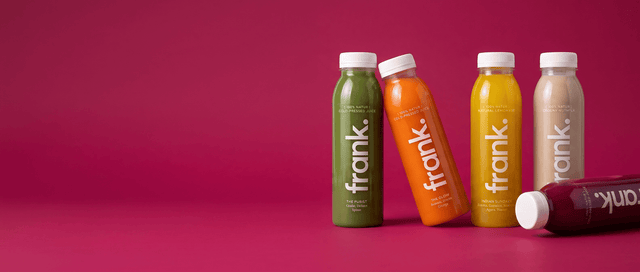
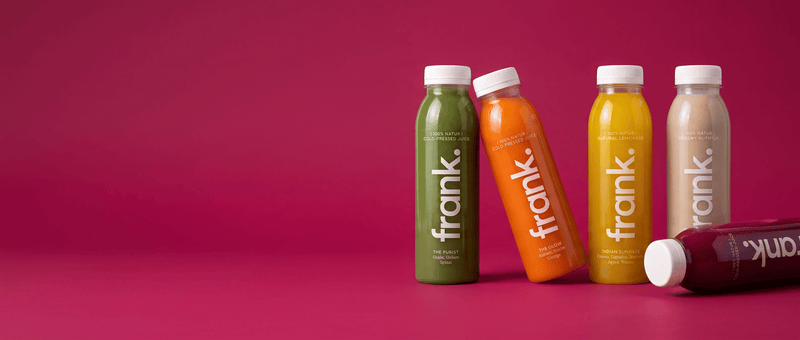
A glass of cold-pressed juice goes well with breakfast as an addition. In our collection Juices you'll find different varieties you can drink with porridge or muesli.
You might also be interested in
Frequently asked questions about oats
How many oats a day make sense?
A portion of 40 to 60 g of dry flakes a day is a good guide for most people. That provides fibre and keeps you full for a long time.
Do you have to cook oats?
No, oats are pre-steamed and can be eaten raw, for example as muesli or overnight oats. Soaked or cooked, they become easier to digest.
Are oats gluten-free?
Oats do not contain classic gluten, but are often contaminated with grain. With coeliac disease, only products labelled gluten-free are suitable.
Do oats make you fat?
Not on their own. What matters is the total amount of calories. With sugar, honey and lots of chocolate, oats quickly become a calorie carrier.
Do fine oats have fewer calories than coarse ones?
No, the difference is negligible. Both are around 370 kcal per 100 g.
Note: This article is for general information and does not replace medical or therapeutic advice. If you have complaints, pre-existing conditions, are pregnant or take medication, please talk to your doctor first.