




















Fasting has a long tradition in human history. No wonder there are so many different ways to fast. Whether giving up indulgences, going without solid food completely or cutting down to a few foods, thanks to the variety of different types of fasting everyone finds their own best way of fasting. Below we present a few types of fasting and their special features.
What are the reasons for fasting in the first place?
In early human history, food was often scarce. Especially in winter, the available food supply was particularly meagre. Accordingly, the available food had to be rationed. Phases of fasting were part of normal life. For the human body to get through such phases, an adaptable organism is essential.
So in times of good food supply, your body builds up its own stores. If food then becomes scarce, these stores can be mobilised to bridge short periods with no or minimal food intake.
For centuries, fasting has been a fixed part of many religions. Beyond that, since the 20th century it has also found its place in medicine. Among other things, it is used for the prevention of illness and as part of supportive care for various cardiovascular conditions.

Finding the best fasting method: from therapeutic fasting to interval fasting
While in the past humans often had to go hungry for evolutionary reasons, many people now actively, voluntarily and independently decide to fast. Accordingly, there are numerous different types of fasting: from Buchinger therapeutic fasting through juice fasting to the Mayr cure method. Below, the most popular types of fasting today are presented in an overview:
Buchinger therapeutic fasting
Probably the best-known form of fasting is therapeutic fasting according to Dr. Otto Buchinger. In contrast to pure water fasting, a few calories are taken in daily. These calories are supplied exclusively in the form of vegetable broths, freshly pressed and diluted fruit or vegetable juices, and honey for sweetening. Accordingly, solid food is left out. This abstinence can stimulate several processes in the body.
First, during fasting the body falls back on its own reserves and the glycogen stores are emptied. The glycogen store refers to the carbohydrates stored in the form of glycogen in all cells. Once these are empty, the body switches from carbohydrate metabolism to fat metabolism. This is the start of fat burning, and autophagy is also increased.
The calorie deficit therefore ensures that the metabolism of the human organism adapts and subsequently switches to gaining energy from the body's own sources. At the same time, your own digestion is relieved.
Buchinger therapeutic fasting is offered as a multi-week, multidisciplinary concept in special fasting clinics. But this fasting method is also suitable for short fasts at home on your own, provided there are no health reasons against it. Normally, therapeutic fasting is carried out for around two weeks.
F. X. Mayr cure method
The fasting cleanse developed by Dr. Franz Xaver Mayr is becoming more and more popular. This type of fasting is known as the milk and bread roll cure, as specially prepared rolls are allowed during the fasting period to train conscious chewing and salivating of food. So food is not given up completely.
The Austrian doctor Mayr swore that a perfectly functioning digestion is the key to a healthy life. A traditional Mayr cure is based on three pillars: sparing, cleansing and training. A Mayr cure is estimated to last three to four weeks. First the gut is to be spared. Then the intestinal tract is cleansed. All those fasting are also to be trained in essential questions of health, especially with regard to a healthy diet.
One of the main goals is conscious eating: in the end, those fasting should chew and salivate their food thoroughly and slowly. This improves your own digestive process and at the same time prompts the regeneration of the entire digestive system. A precise figure for the maximum calorie intake is not part of the Mayr cure. Instead, you eat from the prescribed light diet until a slight feeling of fullness sets in. Then you stop eating on your own.

Juice fasting
Particularly popular these days is so-called juice fasting, also called a Juice Cleanse. Here too, solid food is left out. A varied diet, especially fruit and vegetables, can provide important nutrients for the body. With juice fasting it is particularly important to pay attention to the quality of the juices. Ideally they should contain no added sugar or artificial flavours or additives.
Another advantage of juice fasting is that it isn't a complete deprivation. Thanks to the delicious taste of the juices, many people who fast find it easier to go without solid food. It can also bring relief to your gut and your digestion.
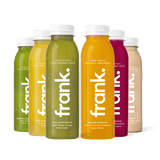
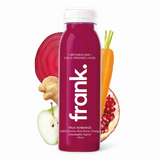
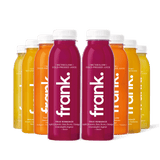
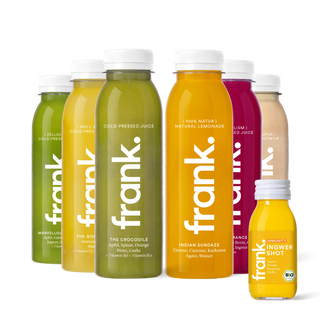
Even so, with juice fasting your body still draws a large part of the energy it needs from its own depots and sources. Taking in enough water is absolutely necessary, as with Buchinger fasting. As a rule, juice cleanses for doing on your own are offered in lengths of three, five and seven days. At frank. you can buy various juice cleanses. A 3-Day Juice Cleanse, a 7-Day Juice Cleanse, a Soup Cleanse, a Gut Cleanse and and and... See for yourself in our wide range!
Alkaline fasting
With this type of fasting, you don't give up food in the classic way. Instead, only alkaline foods are eaten. Acid-forming foods, on the other hand, are avoided. Accordingly, mainly fruit and vegetables, herbs and seeds are consumed. Nuts are allowed as long as they are suitable for the alkaline diet, such as almonds and walnuts or macadamia nuts. There is no place in the meal plan of this fasting cleanse for animal protein and grains.
In contrast to the other fasting methods presented so far, with alkaline fasting solid food is also eaten. The focus of alkaline fasting is the acid-base balance, which has been thrown off by an unhealthy diet, stress and lack of exercise. Besides possible weight loss, the main thing is that the acid-base balance can be brought back into equilibrium.
Fasting-mimicking diet
With fasting according to Prof. Valter Longo, an Italian scientist and ageing researcher, around 800 calories are consumed daily for five days. As with alkaline fasting, solid food is also eaten in the fasting-mimicking diet. Only plant-based foods such as vegetables, nuts and olive oil are eaten. The emphasis is on foods containing fat and protein; carbohydrates are largely avoided.
The fasting-mimicking diet can be a way of keeping calorie intake low while fitting it into everyday life. Reducing calorie intake can lead the body to adjust metabolic processes and activate its own depots for energy production in order to meet its energy needs.
There are more fasting methods...
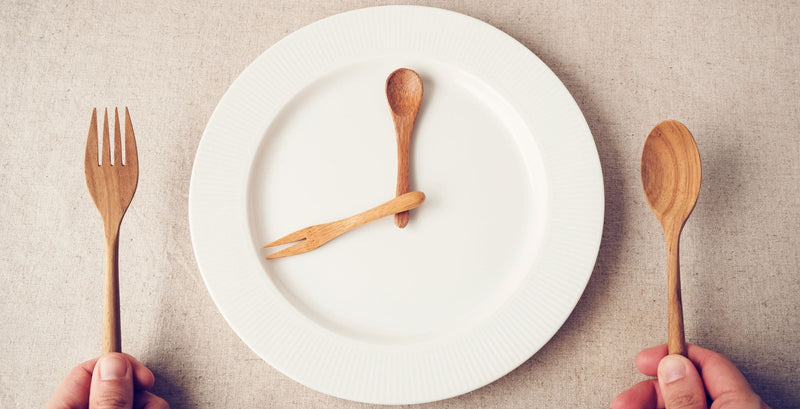
The overview of the different types of fasting so far shows the most popular fasting cleanses of today. But there are other types of fasting that can introduce you to fasting in a pleasant way. Worth mentioning here is so-called interval fasting, which has enjoyed great popularity for years. This is fasting within a certain time interval, for example for 16 hours a day, with meals then eaten in the remaining 8 hours.
So-called whey fasting is also very popular. Here only products containing whey are consumed, plus fruit juices and herbal teas. Another fasting method is mucilage fasting. Here your own food intake is reduced to rice, buckwheat and oat gruel. This spares and protects the gut and stomach.
Whether therapeutic fasting, the Mayr cure method, alkaline fasting, juice fasting, interval fasting or even mucilage and fasting-mimicking diets, every fasting cleanse has its own merits. In the end it's always a matter of individual preference.