Updated: October 2026
In short: Constipation usually means fewer than three bowel movements a week, hard stool or heavy straining. In everyday life, more fibre (at least 30 g a day), enough fluid, exercise and fixed toilet times help. If constipation lasts longer than two to three weeks or warning signs appear, get it checked by a doctor. As of October 2026.
Constipation is common and usually harmless, but annoying. The focus here is on practical measures for everyday life. Our hub Stimulating Digestion sums up everything fundamental about the gut.
When do we speak of constipation?
If you have a bowel movement fewer than three times a week or the stool is hard and difficult to pass. The feeling of never quite being finished counts too. The normal range is wide, from three times a day to three times a week.
Typical triggers are too little fibre and fluid, lack of exercise, travel, stress, suppressing the urge and some medications. With longer-lasting symptoms, an underlying condition may be behind it, which is why chronic constipation belongs with a doctor.
It helps to classify stool using the Bristol Stool Scale: types 1 and 2 (hard lumps or lumpy sausage) point to slowed passage through the gut, types 3 and 4 are considered ideal. This scale is a simple aid for the conversation with your doctor's practice.
What helps with constipation in everyday life?
A combination of diet, drinking and exercise usually works. Try these steps:
- Drink 1.5 to 2 litres of water or unsweetened tea daily, one glass straight after getting up.
- Eat oats, wholemeal bread or fruit with flaxseed for breakfast.
- Move for 20 to 30 minutes every day, for example on a walk.
- Go to the toilet after breakfast and give yourself 5 to 10 minutes.
- Put a small stool under your feet; the squatting position makes emptying easier.
- Follow the urge right away.
Home remedies such as dried prunes, sauerkraut juice or warm water with a little flaxseed help some people. There is no healing claim attached to them.
A simple daily plan: in the morning, a large glass of water and oats with ground flaxseed and fruit. At lunch, vegetables and a legume or whole-grain side. In the afternoon, a walk and an apple or a pear. In the evening, a soup with vegetables. Water and tea spread across the day. If you've eaten little fibre so far, increase in steps of about 5 g per week so your stomach doesn't rebel.
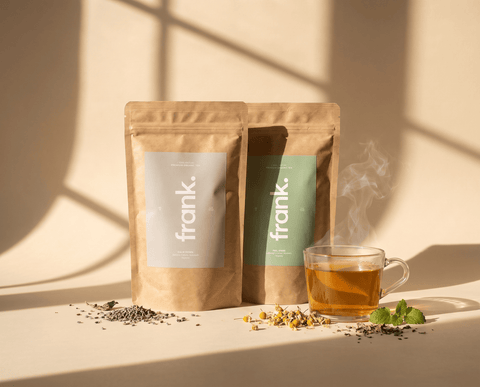
Besides water, a warm herbal tea goes well with drinking, such as the Happy Stomach Tea. On the other hand, avoid lots of heavily sweetened drinks, as soft drinks are no substitute for water.
Which foods are good for constipation?
Mainly those with lots of fibre. The values are per 100 g and rounded:
| Food | Fibre (approx.) | In practice |
|---|---|---|
| Flaxseed, ground | 25 g | 1 to 2 tbsp daily, drink plenty |
| Oat bran | 15 g | In muesli or yoghurt |
| Oats | 10 g | As porridge |
| Dried prunes | 8 g | 3 to 5 |
| Lentils, cooked | 8 g | As soup or salad |
| Raspberries | 7 g | Fresh or frozen |
| Wholemeal bread | 6 to 8 g | Instead of white bread |
| Pear with skin | 3 g | As a snack |
You'll find more ideas in Fibre: Why Eat a High-Fibre Diet. Increase the amount slowly, otherwise you risk bloating.
One advantage of whole foods over powders: you also get vitamins, minerals and secondary plant compounds. One portion of vegetables and one portion of fruit with each meal quickly get you into the 30 g range over the course of the day.
Do psyllium husks help against constipation?
Psyllium husks swell in the gut and bind water. This makes stool softer and bulkier. Psyllium husks are considered well-studied plant-based bulking agents, explained in detail in Psyllium Husks: Effects and Use.
Important: start with a small amount, drink at least one large glass of water with every portion and take medication two hours apart. Without enough fluid, it can make the problem worse.
An alternative is flaxseed, which you sprinkle ground over muesli or yoghurt. The same applies here: take plenty of fluid with each portion. Allow about a week to get used to it, as bloating in the first few days is common. Bulking agents are not suitable if you have a bowel narrowing or swallowing difficulties; in that case, ask your doctor's practice first.
What can you do to stop constipation coming back?
With fixed routines: regular meals, drinking enough, daily exercise and a relaxed trip to the toilet. Stress also strongly affects the gut; you can read more in Gut and Mind.
When travelling, firmly plan in water, fruit and a bit of exercise, because the change of rhythm is a common trigger. Laxatives are not a permanent solution and should only be used after talking to a doctor or pharmacist.
If you suspect stress as the trigger, a fixed morning routine helps. Get up a little earlier, drink water, have breakfast in peace and then go to the toilet without rushing. Many people notice after one to two weeks of routine that their gut works more reliably. A look at healthy gut nutrition offers more ideas for varied meals.
When do you need to see a doctor about constipation?
If constipation lasts longer than two to three weeks, keeps recurring or your bowel habits suddenly change. You need medical advice immediately if you have:
- blood in the stool or black stool
- severe abdominal pain or a hard, swollen belly
- vomiting, fever or unintended weight loss
- alternating diarrhoea and constipation over weeks
For children, during pregnancy and when taking medication, talk to your doctor's practice before using home remedies.
Matching picks from frank.
A warm herbal tea goes well with your drinking plan. The Happy Stomach Tea is made of linden, anise, fennel, chamomile, ginger and sage.
You might also like
- Fibre - Why Eat a High-Fibre Diet
- Which Foods Are Healthy for the Gut - Our Tips for a Healthy Gut Diet
- Fluid Balance - Its True Importance for the Body
Frequently asked questions about constipation
How quickly does water help with constipation?
That varies. Enough fluid makes stool softer, and the effect usually shows over a day or two together with fibre.
How many days without a bowel movement are dangerous?
There is no fixed limit. With severe pain, vomiting or a hard belly, see a doctor immediately; otherwise at the latest after a week without a bowel movement.
Does coffee help with constipation?
In some people, coffee stimulates bowel movement. But it replaces neither water nor fibre.
Are prunes a good home remedy?
Dried prunes contain fibre and sorbitol and are widely used. Start with a few.
Can stress cause constipation?
Yes. Stress, travel and a changed rhythm affect gut activity.
Note: This article is for general information and is not a substitute for medical or therapeutic advice. If you have complaints, pre-existing conditions, are pregnant or take medication, please talk to your doctor first.