Gut and mind, gut and skin, gut and immune system ... You can see already: your gut is connected to many aspects of your health. That's why we came up with a challenge on gut health: the 30 Plants in 7 Days Challenge! In this post you'll find out exactly what the challenge is and which 30 fruits and vegetables we picked. But we'll give one thing away now: for a healthy gut, you can't get around probiotics and prebiotics.
What are probiotics and prebiotics?
Probiotics are foods containing live microorganisms. These health-promoting bacteria multiply in the gut and help you metabolise your food, produce important nutrients and fend off pathogens. In the post "How your gut and your immune system are connected" we already explained that gut flora thrown out of balance can favour illness. Unlike probiotics, prebiotics contain no live microorganisms. Instead they are fibre, such as inulin or fructooligosaccharides, which can't be digested in the small intestine and so serve as food in the large intestine for the healthy bacteria (bifidobacteria and lactobacilli). This lets the health-promoting bacteria multiply and makes it harder for potentially harmful bacterial species to spread. Prebiotics also lower the pH value in the gut, so that certain minerals such as calcium, magnesium, sodium and phosphorus can be absorbed better.
Long story short: both probiotics and prebiotics are important parts of a balanced diet. That's why the following fruits and vegetables are on our list for the 30 Plants in 7 Days Challenge:
- Garlic
- Onion
- Leek
- Carrots
- Pickled gherkins
- Radicchio
- Chickpeas
- Lentils
- Beans (also in the form of tofu)
- Tempeh
- Artichokes
- Oats
- Potatoes, cooked and then cooled
- Rice, cooked and then cooled
- Wholegrain bread, e.g. pumpernickel
Why a varied diet is so important for you
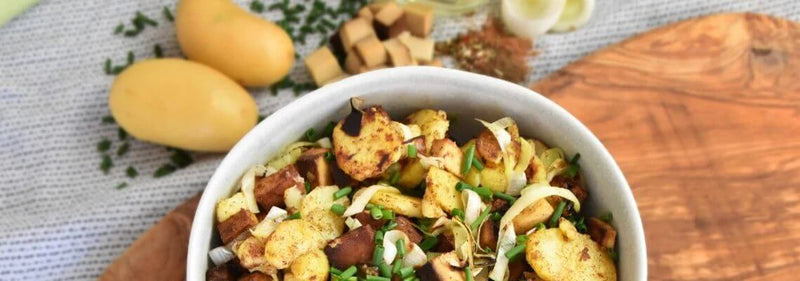
Eating as many different foods as possible doesn't just increase the number of different nutrients you take in! You also offer your gut microorganisms a variety of fibre. But hand on heart: how many dishes do you cook again and again? Studies have found that on average people eat just a little more than 10 different meals. That's why we want to encourage our team to try new, healthy recipes, challenge each other and maybe even swap new favourite recipes! Are you in? We've already got some inspiration for you: check out our 2 tasty recipes to go with the challenge list here!
Join the challenge!
Join our challenge and follow us on Instagram @thefrankjuice, where you'll also find lots of different tips and tricks for your gut, as well as plenty of info about us and our products. And maybe there's something to win too ...
Gut and mind, gut and skin, gut and immune system ... You can already see: your gut is connected to many aspects of your health. For this reason we came up with a challenge on the topic of gut health: the 30 Plants in 7 Days Challenge! You will find out exactly what the challenge is and which 30 fruits and vegetables we picked in this article. But we will give one thing away now: you can't get around pro- and prebiotics if you want a healthy gut.
What Are Pro- and Prebiotics?
Probiotics are foods containing live microorganisms. The health-promoting bacteria multiply in the gut and help you metabolise your food, produce important nutrients and fend off pathogens. As we already explained in the article “How Your Gut and Your Immune System Are Connected”, an unbalanced gut flora can favour illness. Unlike probiotics, prebiotics do not contain live microorganisms. Instead, they are dietary fibres, such as inulin or fructooligosaccharides, that cannot be digested in the small intestine and so serve as food for the healthy bacteria (bifidobacteria and lactobacilli) in the large intestine. This allows the health-promoting bacteria to multiply, and potentially harmful bacterial species find it harder to spread. Prebiotics also lower the pH value in the gut, so that certain minerals, such as calcium, magnesium, sodium and phosphorus, can be absorbed better.
Long story short: both pro- and prebiotics are important parts of a balanced diet. That is why the following fruits and vegetables are on our list for the 30 Plants in 7 Days Challenge:
- Garlic
- Onion
- Leek
- Carrots
- Pickled gherkins
- Radicchio
- Chickpeas
- Lentils
- Beans (also in the form of tofu)
- Tempeh
- Artichokes
- Oat flakes
- Potatoes, cooked and then cooled
- Rice, cooked and then cooled
- Wholegrain bread, e.g. pumpernickel
That's Why a Varied Diet Is So Important for You
With as many different foods as possible, you don't just increase the number of different nutrients you take in! You also offer the microorganisms in your gut a variety of fibres. But hand on heart: how many dishes do you cook over and over? Studies have shown that people eat only a little more than 10 different meals on average. That is why we want to encourage our team to try new and healthy recipes, challenge each other and maybe even swap new favourite recipes! Are you in too? We have already taken care of the inspiration: take a look here at our 2 tasty recipes that go with the challenge list!

Join the Challenge!
Join our challenge and follow us on Instagram @thefrankjuice. There you will also find lots of different tips and tricks for your gut, as well as plenty of info about us and our products. And maybe there is something to win too …