Updated: October 2026
In short: For a home fasting cleanse, healthy people are best off starting with 3 days and never fasting for longer than a week without medical supervision. Plan 2 to 3 preparation days beforehand and 2 to 3 refeeding days afterwards. Which method suits you depends on calories, effort and experience: therapeutic fasting is the strictest, Juice Cleanses and Soup Cleanses are milder and easier to organise.
A fasting cleanse at home is above all a question of planning. You don't have to go to a clinic, but you should know which method fits your daily life. Here's the comparison we wished we'd had ourselves.
How long should a home fasting cleanse last?
For beginners, 3 days makes sense; with experience, 5 to 7 days are possible. The consumer advice centre (Verbraucherzentrale) advises that even healthy people shouldn't fast for longer than a week without medical supervision.
If you've never fasted before, try a single day first and pay attention to how it goes. You'll find an overview of duration in the article Fasting Duration.
Which fasting method suits you?
That depends on how much structure, how much energy and how much effort you want.
| Method | Energy per day | Effort | Suitable for |
|---|---|---|---|
| Therapeutic fasting (Buchinger) | approx. 150 to 300 kcal | high, planning needed | Experienced fasters, quiet periods |
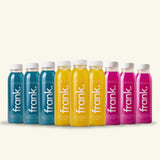
| Juice Cleanse (frank.) | 650 to 845 kcal | low, everything delivered | Beginners and people with jobs |
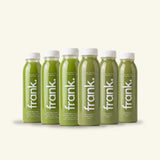
| Soup Cleanse (frank.) | approx. 800 to 955 kcal | low, with warm meals | Beginners, the cold season |
| Alkaline fasting | normal meals | high, cook yourself | those who like to eat |
| Intermittent fasting 16/8 | normal calories | low | a lasting routine |
The details on frank. come from the product pages (as of October 2026). More on the methods: Types of Fasting at a Glance.
What does a home fasting cleanse cost?
With a cleanse using ready-made products, you know the cost beforehand. At frank., the Juice Cleanse and Soup Cleanse in the Starter level cost €99.75 for 3 days, €162.75 for 5 days and €227.50 for 7 days. That is roughly €32 to €33 per day, including the guide and ginger shots.
Doing it yourself with tea, broth and vegetables costs considerably less, but you need more time and discipline. We compared what doing it yourself costs in the article Make Your Own Juice Cleanse.
How do you prepare?
With 2 to 3 preparation days in which you gradually cut back on portions, meat, sugar, alcohol and coffee. That's what the Verbraucherzentrale says. Get everything you need beforehand and block off your calendar.
- Talk to your doctor if you take medication or have pre-existing conditions
- Choose a quiet period without major appointments
- Have tea, water, broth and, if needed, juices ready
- Plan at least 2.5 litres of calorie-free drinks per day
- Plan refeeding days, and don't head straight back to the restaurant
How do you end the fasting cleanse properly?
With 2 to 3 refeeding days. On the first day you eat light food such as soup or steamed fruit, then slowly vegetables, potatoes, oats. Coffee, alcohol and fatty foods come back last. Our article Breaking a Fast explains the process with recipes.
If you notice that certain habits don't do you good, use the cleanse as a starting point instead of going straight back to everything as before.
What does a day in the fasting cleanse look like?
Structure makes it easier. A daily plan helps fill the times when you would otherwise eat. Here's an example for a juice or soup cleanse:
| Time | What happens |
|---|---|
| Morning | Water or warm tea, first serving, short walk |
| Mid-morning | Tea, second serving, rest or light tasks |
| Midday | third serving, then a half-hour break |
| Afternoon | fourth serving, exercise in the fresh air |
| Evening | fifth and sixth serving, warm tea, early to bed |
Between servings you drink water and tea. That gets you to the recommended 2.5 litres of calorie-free fluid.
What can you do about hunger and headaches?
Hunger and weakness are part of short-term fasting; Healthline also names this as a typical side effect. First drink a glass of water or warm tea and wait a few minutes. Often it's habit and not real hunger.
Headaches often occur in the first few days, especially after high coffee consumption. Reduce coffee before the cleanse and drink enough. If symptoms are severe or persistent, stop the cleanse and ask for medical advice. More notes: Fasting Symptoms.
What is the most common mistake with a fasting cleanse?
The mistake is usually not in the fasting but afterwards. Many people get through the cleanse well and eat just as before the day after it ends. Then you quickly feel sluggish and the weight comes back. So plan the refeeding days as firmly as the fasting days and think beforehand about which one habit you want to keep: less sugar in the evening, more vegetables, a walk after eating or finishing work earlier.
The second mistake is perfectionism. If you shorten or stop a day, that's not a failure. You've simply noticed that this method or this time doesn't suit you, and you can try again later with a milder version.
Who shouldn't fast at home?
Pregnant and breastfeeding women, children and teenagers, people with eating disorders and people who are underweight, as well as people with serious illnesses should not fast. With diabetes, gout, low blood pressure or regular medication, you need medical advice beforehand, according to the Gesundheits-Lexikon on therapeutic fasting methods.
Matching picks from frank.
If you don't want to put your fasting cleanse together yourself: a Juice Cleanse or Soup Cleanse in 3, 5 or 7 days, with a guide and fixed structure.
You might also like
- Types of Fasting: Which One Is Right for Me?
- What Is the Optimal Fasting Duration?
- Juice Cleanse Guide: How Do I Fast Properly?
Frequently asked questions about a fasting cleanse at home
Can I go to work while fasting?
With a mild method such as the Juice Cleanse or Soup Cleanse, an office day is often possible. With therapeutic fasting on very few calories, you're better off planning days off.
How often can you do a fasting cleanse?
Many people fast once or twice a year. How often makes sense for you is best clarified with your doctor.
Do I have to exercise during the fasting cleanse?
No. Walks and gentle stretching are good, but intense training isn't recommended on fasting days.
What if I have to stop the cleanse?
That's not failure. If you feel dizzy, have a racing heart or feel very unwell, end it slowly as you would when breaking a fast, and talk to a doctor if symptoms persist.
Is a fasting cleanse suitable for weight loss?
A fasting cleanse can reduce weight in the short term, part of which is water. For lasting weight loss, what counts is your diet afterwards.
Note: This article is for general information and is not a substitute for medical or therapeutic advice. If you have complaints, pre-existing conditions, are pregnant or take medication, please talk to your doctor first.