

















Switching to a vegan diet is about more than giving up animal products. It also means looking closely at the nutrients your body needs to function at its best. A well-planned vegan diet can provide all the nutrients you need, but there are a few you should watch in particular to prevent shortfalls. In this article, we take a closer look at these key nutrients and how you can get enough of them in your vegan diet.
From protein and omega-3 fatty acids to vitamins and minerals, we tackle the nutrients that matter most for vegans. We don't just explain why these nutrients are important, we also show you which plant-based foods are rich in them. Once you understand how to work these nutrients into your diet smartly, you can help prevent possible health problems.
By focusing on the most important nutrients and sharing practical tips for a balanced vegan diet, we want to help break down prejudices and strengthen your confidence in your ability to cover all your nutrients without animal products.
Vegan diet and critical nutrients at a glance
A vegan diet has many advantages: it supports animal welfare, reduces your ecological footprint and can offer numerous health benefits. But it's important to keep an eye on the challenges that come with this way of eating too. Getting certain nutrients in particular takes careful planning to avoid possible deficiencies and health risks.
A vegan diet can be a great choice, but it's important to think consciously about your nutrient intake. A varied, balanced selection of plant-based foods, possibly backed up by advice from a nutritionist, helps you avoid deficiencies. In the end, it's about getting the best of both worlds: the ethical, environmental and health benefits of a vegan diet, plus a thoughtful approach to nutrient supply so you're sure to get everything you need.

Critical nutrients exist in every way of eating
Whether you eat meat, are vegetarian or live vegan, every way of eating has its own challenges and benefits. A balanced diet is the key, and that means paying attention to the critical nutrients your body needs to work properly. These nutrients are essential whether or not you eat animal products. The difference is often just in where you get them from.
If you eat meat, you usually get enough protein, iron, vitamin B12 and omega-3 fatty acids. But a one-sided diet with lots of processed meat and little fibre can quickly lead to a shortage of vitamins and minerals.
With a vegetarian diet, which excludes meat and fish but allows dairy and eggs, it's a bit easier to get the nutrients you need. Even so, you have to make sure your diet is varied enough to cover all the important nutrients.
A vegan diet, where you give up animal products completely, takes even more planning. Here you need to pay special attention to nutrients like protein, vitamin B12, iron, omega-3 fatty acids, calcium, vitamin D and iodine. You find these nutrients mainly in animal products, but there are also lots of plant-based alternatives and fortified foods that can help you meet your needs.
The magic word is "variety". A colourful selection of foods not only makes sure you get all the important nutrients, it also supports your gut health and your overall well-being.
This isn't about running down any way of eating. It's more about being aware of how important it is to eat in a balanced, informed way. If you're unsure, it can help to bring in a nutritionist or other expert. They can help you understand your personal needs and make sure you get all the nutrients your body needs, no matter how you eat.
What are the critical nutrients in a vegan diet?
If you live vegan and give up animal products completely, there are a few nutrients you should watch in particular. These nutrients are often critical because they occur mainly in animal foods or are not as readily available in plant foods.
Vitamin B12
You find this vitamin almost only in animal products. It's important for your nerves and blood formation. Vegans should therefore turn to foods fortified with vitamin B12, or take a supplement.
Iron
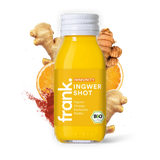
The body doesn't absorb plant-based iron as well as animal iron. To improve your iron absorption, combine iron-rich foods with foods rich in vitamin C. For example, you can eat lentils with peppers or broccoli. Our frank. organic ginger shot Lavender Skies is also a great option, as it contains iron-containing ingredients like ginger and curry leaf.
Calcium
Since dairy is an important source of calcium, as a vegan you should rely on other sources. Fortified plant milk, leafy greens like broccoli or kale, tofu and almonds are good alternatives.
Omega-3 fatty acids
These important fatty acids are plentiful in fish, but as a vegan you can turn to algae oil or flaxseed oil to secure your omega-3 intake.
Protein
Plant proteins can be just as high quality as animal ones, but you should combine different sources to meet your protein needs. Pulses, nuts, seeds, grains and soy products are ideal here.
Vitamin D
This vitamin is formed mainly in the skin through sunlight. Many people, vegan or not, are often deficient. Make sure you get enough sunlight or take a vitamin D supplement.
Iodine
You find iodine mainly in iodised salt. Since vegans often use other kinds of salt, make sure you get enough iodine. Seaweed or iodine tablets can help here.
Zinc
Plant sources of zinc exist, but often not in sufficient amounts. A varied diet with pulses, nuts, seeds and wholegrain products can improve your zinc intake.

Which nutrients are vegans missing, and can the gap be filled?
Wondering whether vegans can get all the nutrients they need? The answer is yes, as long as you plan your diet well and rely on a varied selection of foods. With a thought-out vegan diet, you can give your body everything it needs.
Variety
The be-all and end-all of a vegan diet is variety. Make sure you eat lots of different plant foods. That includes fruit and vegetables, pulses, nuts, seeds, wholegrain products and soy products. This variety helps you cover a broad range of nutrients.
Protein sources
Protein is important, and plant sources can be just as good as animal ones. Combine different protein sources like beans, lentils, nuts, seeds, grains, tofu and seitan. That way you make sure you get all the necessary amino acids.
Vitamin and mineral sources
You get certain vitamins and minerals from a wide range of plant foods. Leafy greens, pulses and nuts, for example, deliver iron, calcium, magnesium and many vitamins. So eat colourful and varied!
Fortified foods
Some nutrients are harder to get on a vegan diet. This is where fortified foods help. Plant milks, breakfast cereals and some other products are often fortified with vitamin B12, vitamin D and calcium. Check the labels when you shop.
Fat sources
Healthy fats matter too. Avocados, nuts, seeds, olive oil and flaxseed oil not only provide essential fatty acids, they also help you absorb fat-soluble vitamins better.
Vitamin B12 supplementation
Vitamin B12 is a sticking point in the vegan diet, as it occurs almost only in animal products. Here you should definitely turn to supplements or fortified foods to prevent deficiency symptoms.
Optimising iron
Plant-based iron isn't absorbed as well as iron from meat. Combine iron-rich foods like spinach or pulses with foods containing vitamin C, such as peppers or citrus fruits, to improve absorption. And avoid consuming iron at the same time as tea or coffee, as these can hinder absorption.
Omega-3 fatty acids
Omega-3 fatty acids are important for heart and brain. Fish are the best-known suppliers, but as a vegan you can rely on flaxseed, chia seeds and algae oil. These plant sources help you get enough omega-3.
Calcium
Without dairy, you need to find other sources of calcium. Fortified plant milk, leafy greens like broccoli, and tofu are excellent alternatives for meeting your calcium needs.
Vitamin D
You get vitamin D mainly from the sun. If you don't get enough sunlight, think about vitamin D supplements. A blood test can show you whether you have a deficiency.
Iodine
Iodine is often found in animal foods and iodised salt. Use iodised table salt or eat sea vegetables to secure your iodine intake.
The key to a successful vegan diet is therefore conscious planning. Maybe work with a nutritionist too, to be sure you get all the nutrients you need. With the right approach, you can enjoy the many benefits of a vegan diet and still stay healthy.

Why a plant-based diet in the first place?
Wondering why you should choose a plant-based diet? There are plenty of good reasons that lead many people to leave animal products behind and focus on plant-based food.
Health
Plant foods are packed with fibre, vitamins, minerals and antioxidants. Studies show that a diet rich in fruit, vegetables, pulses and wholegrain products may lower the risk of heart disease, type 2 diabetes and some cancers. It also often helps with weight management, because plant-based food tends to contain fewer calories and less saturated fat, but more filling fibre.
Environment
Producing meat, dairy and eggs puts a considerable burden on the environment. Animal products require a lot of water, land and energy and cause large amounts of greenhouse gases. With a plant-based diet, you can shrink your ecological footprint and help conserve our natural resources.
Ethics
For many people, animal welfare plays a big role. Factory farming and the conditions animals often have to live in are unacceptable to many. A plant-based diet avoids this suffering and stands for a more respectful treatment of animals.
Sustainability
In a world with a growing population, the question is how we can feed everyone. A plant-based diet can offer a solution here, as it is more efficient and less resource-intensive. It could help meet global food demand while protecting our environment.
Culture and philosophy
Some people choose plant-based food for religious or philosophical reasons. In many cultures and faiths, a plant-based diet is seen as an expression of compassion, non-violence or spiritual purity.
Health restrictions
There are very practical reasons too: some people have allergies or intolerances to animal products. For them, a plant-based diet can bring relief and improve quality of life.
Variety and enjoyment
And finally: eating plant-based today no longer means having to give up enjoyment. The choice of vegan products is huge and keeps growing. Whether it's tasty plant milk, vegan burgers or versatile veggie creations, there's something for every taste.
Which supplements make sense for vegans?
Even though a well-planned vegan diet can provide many nutrients, there are a few you may want to supplement. Here are the most important ones:
Vitamin B12
Vitamin B12 is a must, as it occurs almost exclusively in animal products. Without supplementation, deficiency symptoms can occur. Vitamin B12 comes as tablets, drops or sprays, ideal for meeting your needs.
Vitamin D
Especially in winter or in regions with little sunshine, vitamin D can become a problem. A deficiency can have a negative effect on your health. A vitamin D supplement can help here, especially if you don't get enough sunlight.
Omega-3 fatty acids
Fish are a well-known source of omega-3 fatty acids, but as a vegan you can switch to algae oil. It gives you the important omega-3 fatty acids EPA and DHA that are normally found in fish oils.
Iron
The body absorbs iron from plant sources less well than from animal ones. An iron supplement can help meet your needs, especially if you have trouble getting enough from food. But talk to your doctor first to avoid an overdose.
Calcium
If you don't consume dairy, you need to find other sources of calcium. Fortified plant-based dairy alternatives or calcium tablets are good options to support your bone health.
Iodine
Iodine is often found in animal products and iodised salt. To meet your needs, you can use iodised table salt or iodine supplements.
Zinc
Plant sources of zinc exist, but it can be hard to get enough zinc from food alone. A zinc supplement can be useful here, especially if you don't regularly eat zinc-rich foods like pulses and nuts.
Keep in mind that supplements aren't always necessary and ideally you should take them in consultation with a doctor. A balanced, well-planned vegan diet can deliver many of these nutrients in sufficient amounts.
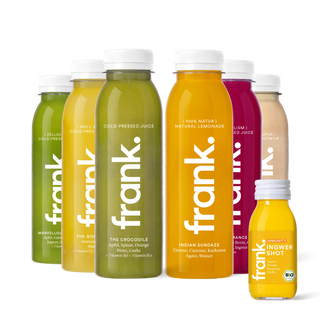
Vegan products from frank.
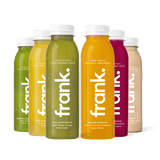
Looking for tasty vegan products? You're in the right place at frank.! Our juices, organic soups, shots, protein powder and teas are all vegan and perfect for a healthy diet. Why not try our juice or soup cleanses for 3, 5 or 7 days? They're not only nourishing, they're also designed specifically for vegans!


