Many health problems are linked to too much acid in the body from the wrong diet. It's not for nothing that alkaline foods are a basis of numerous nutrition trends! In today's post we tell you what alkaline eating means and which foods you can work into your everyday life, super easily and conveniently.
- Your acid-base balance in the body
- Causes of an over-acidified body
- Consequences of an over-acidified body
- How you can support your acid-base balance with your diet
- What are alkaline and acidic foods?
- Alkaline eating in everyday life made easy
1.Your acid-base balance in the body
Finally, chemistry class pays off! We still remember what pH is: it's the measure of how acidic or alkaline an aqueous solution is. Our body consists of 80% bases and 20% acids. While our gastric juice is strongly acidic (1.0 to 4.0), our blood is almost neutral (7.4) and our bile is alkaline (8.0 to 8.5). These differences are essential to activate digestive enzymes that only work in an acidic environment. Our stomach acid also acts as a natural defence against pathogens.
Our body is subject to a multitude of dynamic processes and produces acids itself, for example when breathing in and under stress. The buffer system in the blood balances these fluctuations out again. The lungs play a key role: most of the acids produced leave your body through breathing. Your kidneys, gut and skin also help and release acids into the environment.
2.Causes of an over-acidified body
If the body's own buffer system in the blood is put under too much strain, it can no longer keep up with balancing: over-acidification occurs.
The most common causes are:
- Chronic poor nutrition: too many acid-forming and too few base-forming foods (see the table below)
- Unhealthy lifestyle habits (lack of exercise, stress)
- Digestive disorders and/or chronic conditions, for example diabetes
- Alcohol and/or nicotine abuse
3. Consequences of an over-acidified body
Chronic over-acidification is said to promote tiredness and weak performance, increased susceptibility to infections and skin blemishes. When the body is over-acidified, it is said to tend towards forming kidney and/or gallstones, gout and osteoarthritis.
To neutralise the acids, the body uses alkaline minerals such as calcium, sodium, potassium or magnesium. It takes these from the bones, so in the long run the risk of developing osteoporosis rises. Muscle tissue can also be affected: myogeloses (painful hardenings) can form.
4. How you can support your acid-base balance with your diet
Our average diet looks exactly the opposite of the acid-base ratio in the body: we take in 80% acids and 20% bases. This is largely down to eating too many animal products. Compounds containing sulphur and phosphorus in meat, fish and all by-products, such as dairy products and sausages, produce acids when broken down in the body.
How can we recognise acidic foods? Unfortunately not always by taste! However sour a lemon may taste, it is strongly alkaline. That's also why warm lemon water in the morning is often recommended. The pH of the lemon is down to the high amount of minerals and trace elements in the plant. These can buffer acids.
5. What are acidic and alkaline foods?
The following table gives you a small overview of how different foods are classified. There are exceptions, though: wholegrain bread is very good for you thanks to its fibre, but also slightly acidic. The same goes for spelt, barley and oats. The trick here is to combine strongly alkaline foods with wholegrain bread. You'll find concrete tips in the next chapter.

6. Alkaline eating in everyday life made easy
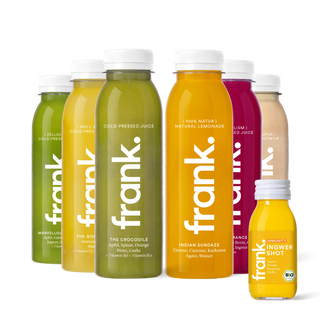
Eat the rainbow! The more colourful you make your plate, the more alkaline it is. Always make sure to include as much veg and fruit as possible in a meal. A simple alternative is our juices and soups . That way you can fit alkaline eating into your everyday life conveniently, even in stressful situations.
Eat what you can find directly in nature! That way, heavily processed, acidic foods drop out. Thanks to our gentle cold-pressing, that doesn't apply to our juices though: raw food in pressed form, and they're alkaline too. Do you already know our Grünsten with celery and spinach?
Watch your protein source! In general, plant protein sources are preferable to animal ones. If you eat meat or fish, make even more of an effort to complement them with alkaline components. Pro tip from the nutrition consultant: I always stir a bit of plant-based (neutral-tasting) protein powder and nutritional yeast flakes into my vegetable soups. That makes the soup creamier, more flavourful and more filling thanks to the extra protein.
Watch your drinks! You don't have to give up your coffee despite its acids: do as the Italians do and always drink a glass of tap water with a cup of coffee. Better skip fizzy drinks: cola is strongly acidic despite its sweetness! Do you already know our brilliant teas? Are they alkaline? Of course!
Have you already discovered our glass noodle salad with baby vegetables and shiitake mushrooms ? Extremely tasty and alkaline on top!
Many health problems are linked to too much acid in the body caused by the wrong diet. So it's no coincidence that alkaline foods are a cornerstone of countless nutrition trends! In today's post we reveal what an alkaline diet means and which foods you can work into your everyday life, simply and conveniently.
- Your acid-base balance in the body
- Causes of an overacidified body
- Consequences of an overacidified body
- How your diet can support your acid-base balance
- What are alkaline and acidic foods?
- Alkaline eating made easy in everyday life
1.Your acid-base balance in the body
Finally, chemistry class pays off! We still remember what pH is: it's the measure of how acidic or alkaline a watery solution is. Our body is made up of 80% bases and 20% acids. While our stomach juice is strongly acidic (1.0 to 4.0), our blood is almost neutral (7.4) and our bile is alkaline (8.0 to 8.5). These differences are essential for activating digestive enzymes that work only in an acidic environment. Our stomach acid also acts as a natural defence against pathogens.
Our body goes through a huge number of dynamic processes and produces acids itself in the process, for example when breathing in and under stress. The buffer system in the blood balances these fluctuations out again. The lungs play a key role here: most of the acids produced leave your body through breathing. Your kidneys, gut and skin help out too and release acids into the environment.
2.Causes of an overacidified body
If the body's own buffer system in the blood is put under too much strain, it can no longer keep up with the balancing act: overacidification occurs.
The most common causes are:
- Chronic poor diet: too many acid-forming and too few alkaline-forming foods (see the table below)
- Unhealthy lifestyle habits (lack of exercise, stress)
- Digestive disorders and/or chronic conditions, for example diabetes
- Alcohol and/or nicotine abuse
3. Consequences of an overacidified body
Chronic overacidification is said to promote tiredness and low performance, a higher susceptibility to infections and skin blemishes. When the body is overacidified, it is said to be prone to forming kidney and/or gallstones, gout and osteoarthritis.
To neutralise the acids, the body uses alkaline minerals such as calcium, sodium, potassium or magnesium. It draws these from the bones, so in the long run the risk of developing osteoporosis may increase. Muscle tissue can be affected too: myogeloses (painful hardenings) can form.

4. How your diet can support your acid-base balance
Our average diet looks exactly the other way round from the acid-base ratio in the body: we take in 80% acids and 20% bases. This is largely down to eating too many animal products. Compounds containing sulphur and phosphorus in meat, fish and all their by-products, such as dairy and sausages, produce acids when broken down in the body.
How can we tell acidic foods? Sadly, not always by taste! However sour a lemon may taste, it is strongly alkaline. That's also why warm lemon water in the morning is so often recommended. The lemon's pH is down to the plant's high content of minerals and trace elements. These can buffer acids.
5. What are acidic and alkaline foods?
The table below gives you a small overview of how different foods are classified. There are exceptions, though: wholegrain bread is very good for you thanks to its fibre, but it is also slightly acidic. The same goes for spelt, barley and oats. The trick here is to combine strongly alkaline foods with wholegrain bread. You'll find concrete tips in the next chapter.

6. Alkaline eating made easy in everyday life
Eat the rainbow! The more colourful you make your plate, the more alkaline it is. Always make sure to fit as many vegetables and as much fruit as possible into a meal. A simple alternative is our juices and soups . That way you can conveniently fit alkaline eating into your everyday life even in stressful moments. A juice cleanse is also a good fit for this! frank.'s juice cleanses are tailored to all your needs. Go for a 3-day juice cleanse, or maybe the 5-day juice cleanse. You can also extend our cleanses with BIOGENA supplements into a gut cleanse, beauty cleanse or energy cleanse.
Eat what you can find directly in nature! That way heavily processed, acidic foods drop out. Thanks to our gentle cold-pressing, this doesn't apply to our juices: raw produce in pressed form, and they are alkaline too. Have you tried our Grünsten with celery and spinach yet?
Watch your protein source! In general, plant-based protein sources are preferable to animal ones. If you eat meat or fish, pay even more attention to adding alkaline components. Nutritionist's pro tip: I always stir a bit of plant-based (neutral-tasting) protein powder and nutritional yeast flakes into my vegetable soups. That makes the soup creamier, tastier and keeps you full for longer thanks to the extra protein.
Watch your drinks! You don't have to give up your coffee despite its acids: do as the Italians do and always drink a glass of tap water with a cup of coffee. Better skip fizzy drinks: cola is strongly acidic despite its sweetness! Have you met our brilliant teas yet? Are they alkaline? Of course!
Have you already discovered our glass noodle salad with baby vegetables and shiitake mushrooms ? Extremely tasty and alkaline on top of that!