Vitamins are vital for the human body to function at its best. However, various illnesses and special needs, as well as a one-sided diet, can cause a vitamin deficiency. In such cases it has become common to turn to artificial vitamins in the form of food supplements. But is there a difference between artificial and natural vitamins, and which is better?
What are natural vitamins?
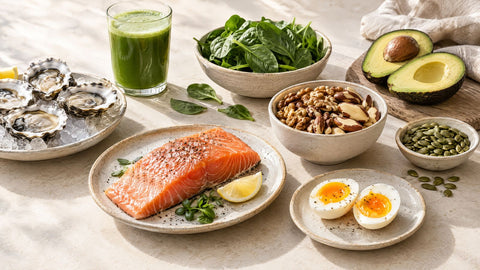
You'll find natural vitamins in fresh foods like fruit, vegetables, nuts, wholegrain products, dairy products and meat. These vitamins are organic compounds that your body needs every day to stay healthy. There are two main types: water-soluble vitamins, like vitamin C, which need to be taken in daily, and fat-soluble vitamins, like vitamin A, which can be stored in the body.
Fresh foods are the best source of these vitamins, as they're often missing from ready-made products or destroyed by processing. Keep in mind: too much light, long soaking or long storage can reduce the vitamin content considerably. So if possible, eat your produce as fresh as you can to get the maximum amount of nutrients.
Vitamins play a central role for your immune system and your metabolism. Natural vitamins are especially beneficial here, as they aren't artificially made and have high bioavailability. That means your body can absorb and use them better.

How do I get natural vitamins?
The simplest answer is: eat more fruit and veg! But we know that doesn't always fit easily into everyday life. That's where practical solutions come in: for example, you can boost your daily vitamin intake with our juices. They're packed with fresh vitamins.
Whether you eat a fresh salad, sip a smoothie or simply take a sunny walk (to top up your vitamin D), there are lots of ways to give your body the vitamins it needs.
What are artificial vitamins?
Artificial vitamins are lab-made versions of their natural counterparts. You'll mostly find them as capsules or tablets. They're handy if you struggle to meet your vitamin needs through diet alone, for example with food intolerances.
However, these products often contain only isolated components of a vitamin. That can mean they don't offer all the benefits you get from natural vitamins.
Vitamins found naturally in food are therefore always the better choice. If that isn't doable for various reasons, synthetic vitamins can be a good supplement to make sure you don't develop a deficiency. Pay attention to the quality of the products and use them as a supplement, not a replacement for a balanced diet.
What's the difference between natural and artificial vitamins?
Natural vitamins come straight from nature, as they're found in fruit, vegetables and other fresh foods. Your body knows these vitamins and can absorb and use them with no trouble. That's why they're especially effective when you take them in through fresh food or gently processed juices.
Artificial vitamins, on the other hand, are made in a lab. They imitate the natural vitamins, but often have a slightly different chemical structure. This difference can mean your body can't absorb them as well as the natural versions. Even though they imitate their natural models, the effect of synthetic vitamins isn't always identical.
So the key difference lies in the chemical composition. Natural vitamins often come with a range of companion substances that support their absorption and effect in the body. For example, pure ascorbic acid isn't quite the same as the natural vitamin C in an orange. It may not have the same complex effects on your immune system.
If you want to make sure you get enough vitamins, it's worth knowing the differences between natural and artificial vitamins and turning to natural sources where possible.

Where do artificial vitamins come from?
Artificial vitamins are made in laboratories. These synthetic versions are designed to imitate the functions of natural vitamins. They're often included as isolated nutrients in food supplements. Because they're produced in a lab, they're not exactly the same as the vitamins you find in fresh foods. Their chemical structure can differ, which may affect their bioavailability, meaning your body's ability to absorb and use them effectively.
How healthy are artificial vitamins?
Ideally, you should always try to get your vitamins from natural sources. Fresh foods are the best choice, as they contain a variety of nutrients in a form your body can process well. But in reality, we often lack the time to cook fresh, or we have special dietary needs, like with a vegan diet.
Also, the vitamins in food can decrease over time, especially if it isn't fresh. This is where artificial vitamins can be helpful. They offer a practical way to make sure you get all the necessary nutrients, even if your diet isn't always ideal. While they're not the perfect solution, they can help close nutrient gaps and make sure your metabolism runs smoothly.
Can you take too many vitamins?
Yes, you actually can! Here you need to distinguish between water-soluble and fat-soluble vitamins. Water-soluble vitamins, like vitamin C, simply leave your body via the urine if you have too much of them. That means an overdose is pretty unlikely. Fat-soluble vitamins like A, D, E and K, on the other hand, stay in your body longer because they're stored in fat. If you take these vitamins in large amounts, they can build up and cause problems.
Especially with food supplements containing artificial vitamins, it's easy to exceed the recommended daily dose. That's why it's important to follow the dosage instructions closely. With natural vitamins from your diet, the risk of an overdose is much lower. You'd have to eat an extreme amount of fruit and veg to reach dangerously high levels.
Do I need natural vitamins every day?
Absolutely, that's really a good idea. Some vitamins, especially the water-soluble ones like vitamin C, should be on your menu every day. Your body can't store them for long. A balanced diet with plenty of fresh fruit and veg or regular juices can help you get these vitamins daily. That helps you stay fit and may help prevent a deficiency.
Conclusion: natural vitamins as the best solution
In short, natural vitamins are the best choice for your health. Your body can make better use of them, and they're simply the healthier option. Of course, it's sometimes hard to get all the nutrients from your diet alone, especially with special diets or when life gets stressful.
If you feel like something is missing, or if you have a vitamin deficiency, food supplements can be a helpful addition. But before you reach for pills, you should always talk to a doctor first. With a varied, fresh and vitamin-rich diet, you can make sure your body gets everything it needs.