Intermittent fasting for women
Intermittent fasting for women over 40
Introduction to intermittent fasting for women over 40
Intermittent fasting is currently gaining more and more popularity and is particularly suitable for women over 40.
This fasting method alternates phases of eating with phases of fasting. This approach offers flexibility to take individual needs and lifestyles into account, which makes it easier to stick with in the long term. It is important to know that this is not about going without food or taking total breaks from eating, but about eating consciously, healthily and with few calories during the fasting periods (16 hours - 2 days).
Benefits and challenges of intermittent fasting in your 40s
Intermittent fasting offers women in their 40s a few benefits. On the one hand, it can support the metabolism and long-term weight loss without the unwanted yo-yo effect. As no drastic food restriction is needed, cravings occur much less often. In addition, fasting may help balance hormones, which can be especially helpful during perimenopause.
Despite these advantages, temporary hunger and energy dips can occur, especially at the start of intermittent fasting. These initial difficulties are usually overcome quickly, though, as the body adapts rapidly to the new eating rhythm.
Overall, intermittent fasting is an attractive option for women over 40 who are looking for an effective and sustainable way to manage their weight and improve their general health.
Recommended fasting plans and nutrition tips
Various fasting plans suit women over 40, such as 16:8 fasting, where you fast for 16 hours and eat for 8 hours, or 5:2 fasting, where you eat normally on five days and reduce your calorie intake on two days.
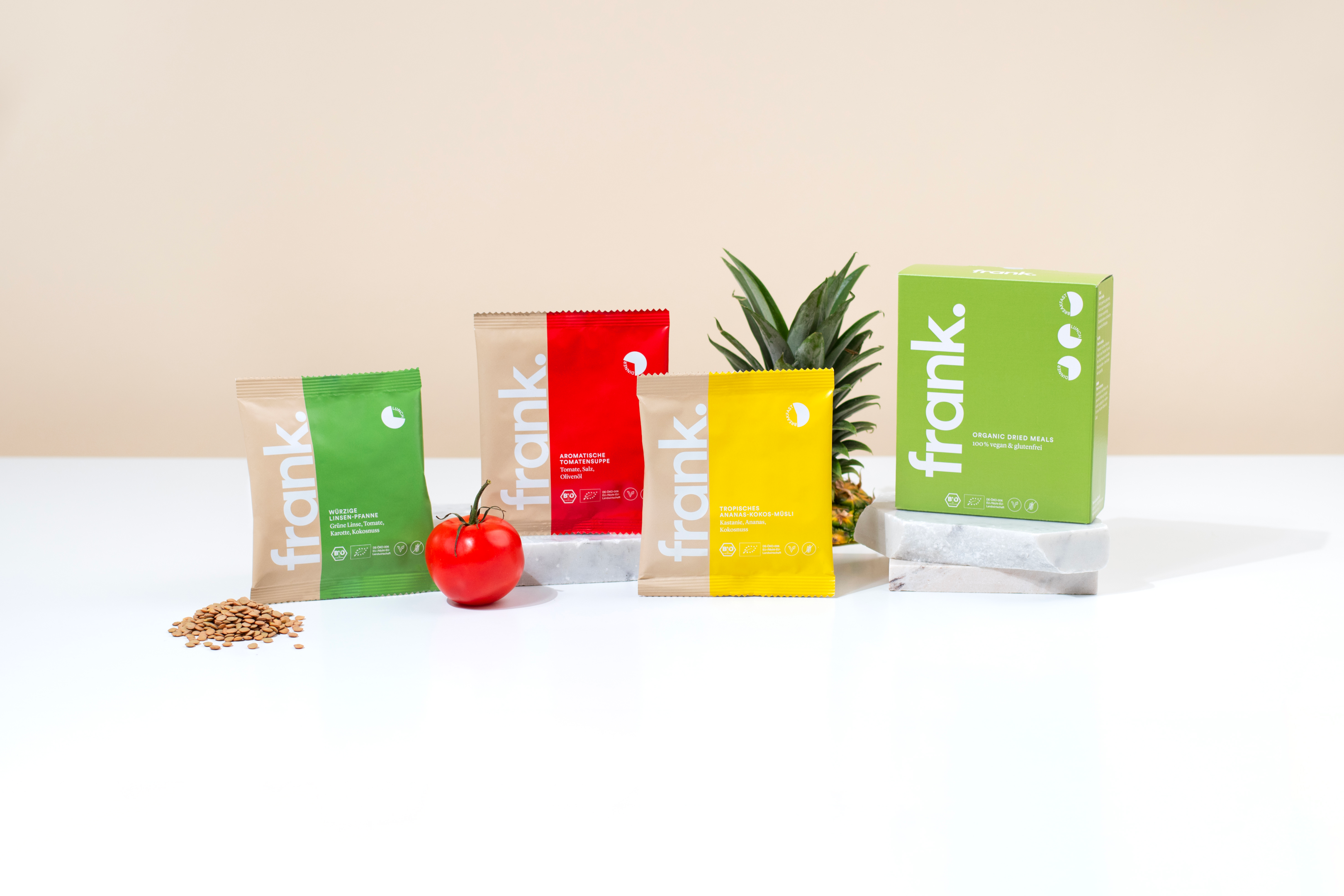
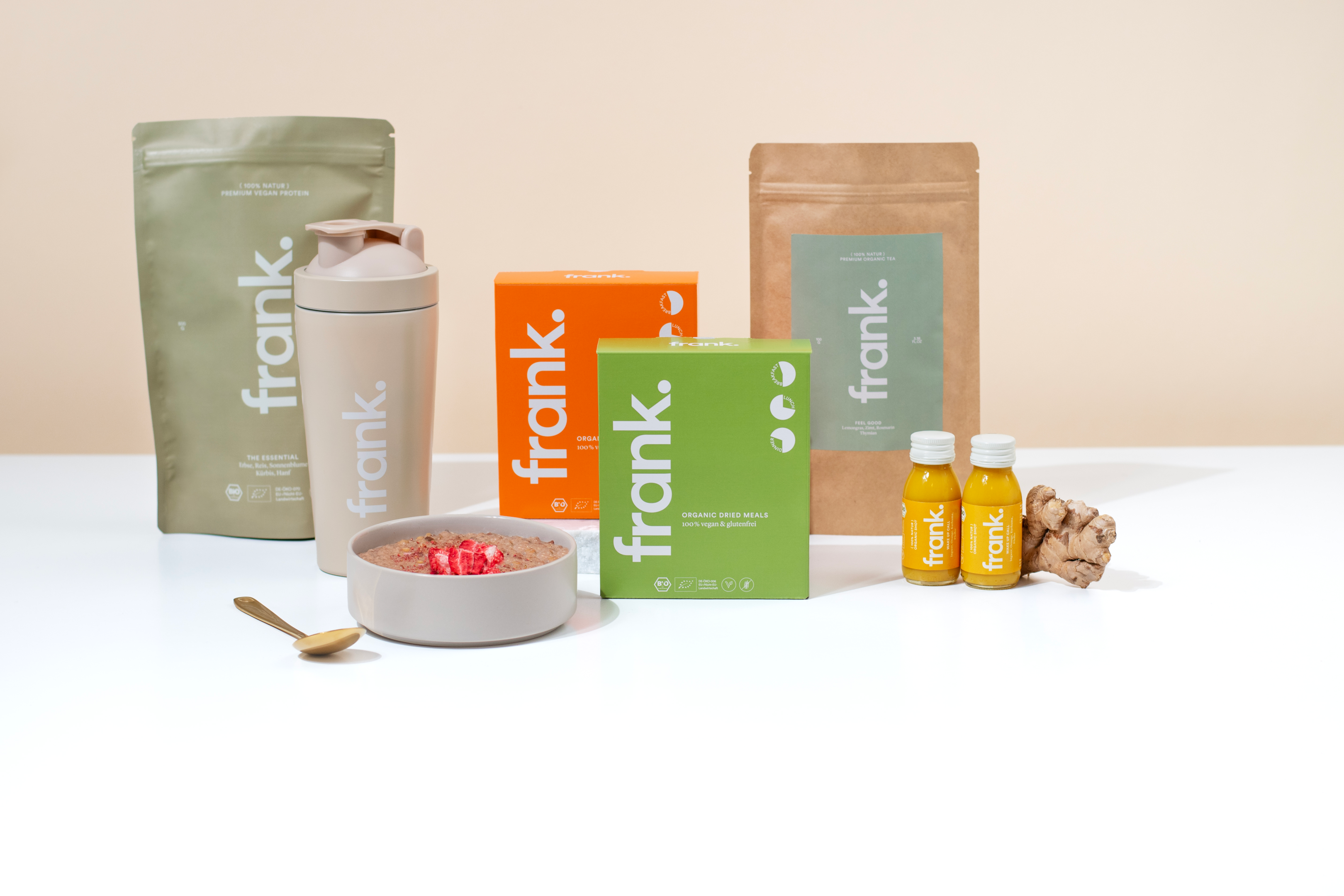
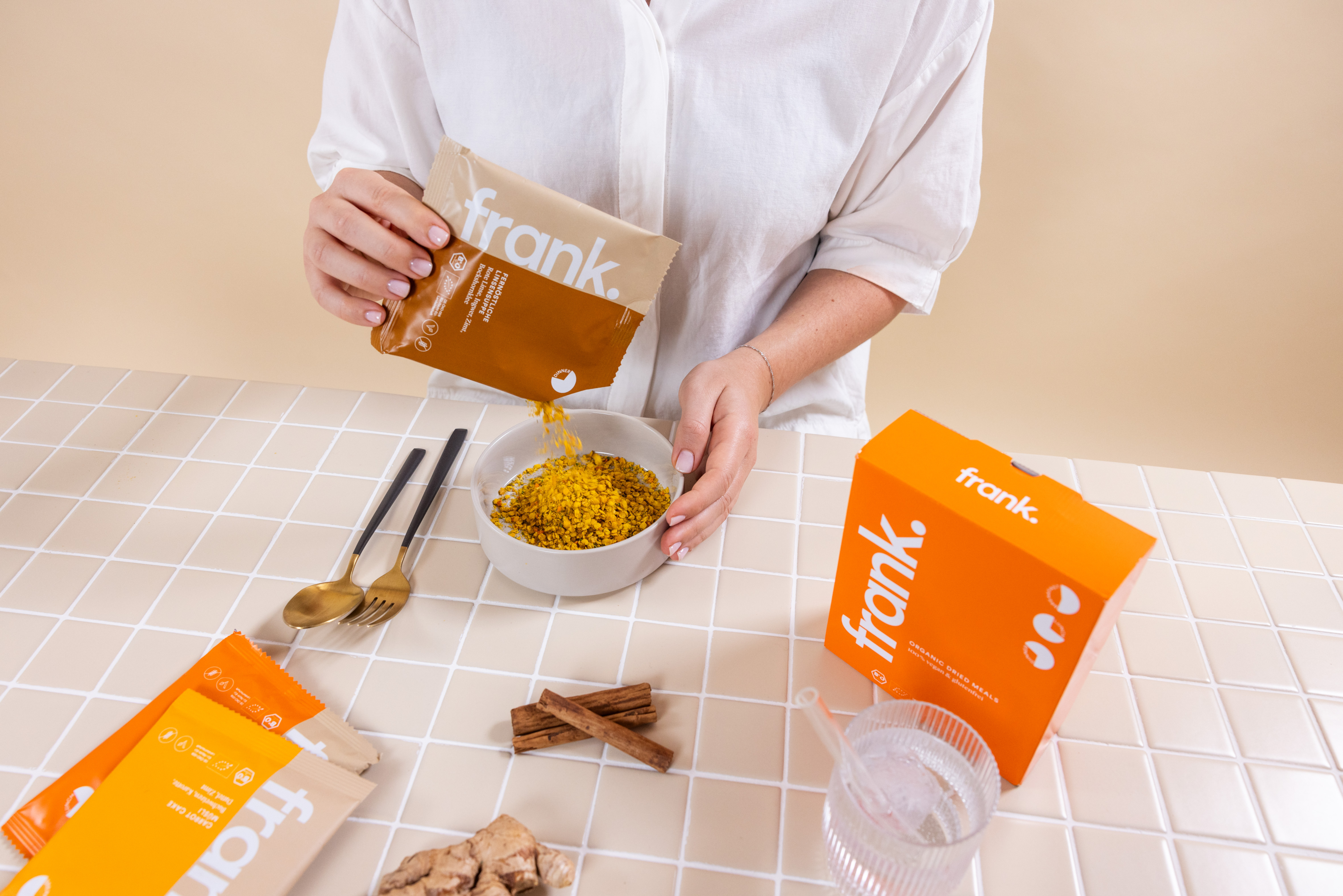
The latter method is especially easy to put into practice with our frank. 5:2 organic intermittent fasting programme. We offer you ready-made, healthy dried meals to eat on the 2 fasting days. You decide how long the fasting programme lasts. You can choose between 4, 8 and 12 weeks.
A balanced diet during your eating windows is very important. It should consist of unprocessed foods, a sufficient amount of protein, healthy fats and fibre. It is also crucial to drink enough fluids.
Experiences and results of women over 40
Women over 40 have a wide range of experiences and results to report from intermittent fasting, affecting both their physical and mental health. Many find it an effective way to lose weight or maintain their weight. They often report a drop in body fat percentage, an increase in muscle mass and fewer cravings. Intermittent fasting has also helped many women feel more energetic and supported their immune system.
Another important aspect is the hormonal changes women over 40 are confronted with. In particular, fluctuations in oestrogen and progesterone can lead to symptoms such as hot flushes, mood swings and sleep problems. Many women report, however, that intermittent fasting has helped them feel more comfortable with these symptoms of menopause or perimenopause and feel more balanced.
A large share of women were able to achieve the effects they wanted through this way of eating and reach a better hormonal balance, which has a positive effect on their wellbeing.
Intermittent fasting for women over 50
Basics of intermittent fasting for women over 50
For women over 50, intermittent fasting is an effective way to boost the metabolism and improve wellbeing. In this phase of life, hormonal changes and age-related metabolic changes play a role, which is why it is important to choose a suitable method.
Intermittent fasting means alternating between eating and fasting phases, which gives the body time to regenerate and rest. The basics of intermittent fasting are easy to understand and to build into everyday life.
Health benefits of fasting during menopause
During menopause, women experience hormonal changes that can often lead to a variety of physical and emotional challenges. Besides the well-known hot flushes and mood swings, weight gain can also be a common problem that weighs on many women. These changes in hormone balance, especially in oestrogen and progesterone levels, can lead to a slower metabolism, which makes it harder to control weight and lose excess kilos.
Studies suggest that intermittent fasting may help balance these hormonal changes and regulate the metabolism. By using fasting phases deliberately, the body may improve its insulin sensitivity, which can contribute to a lower risk of chronic conditions such as diabetes and heart disease.
Women over 50 who fast intermittently on a regular basis often report more energy, better sleep and an increased sense of wellbeing. These positive changes can have a significant impact on quality of life and help women enjoy this phase of life with more vitality and joie de vivre.
Adapted intermittent fasting methods for women over 50
Adapted intermittent fasting methods for women over 50 include various options tailored specifically to their needs. A popular approach is 14:10 fasting, where you fast for 14 hours and eat for 10 hours. This approach offers a balanced mix of fasting and eating time and is easy to build into everyday life.
Another effective approach is 5:2 intermittent fasting. This approach lets women over 50 keep flexibility in their diet while still enjoying the health benefits of fasting.
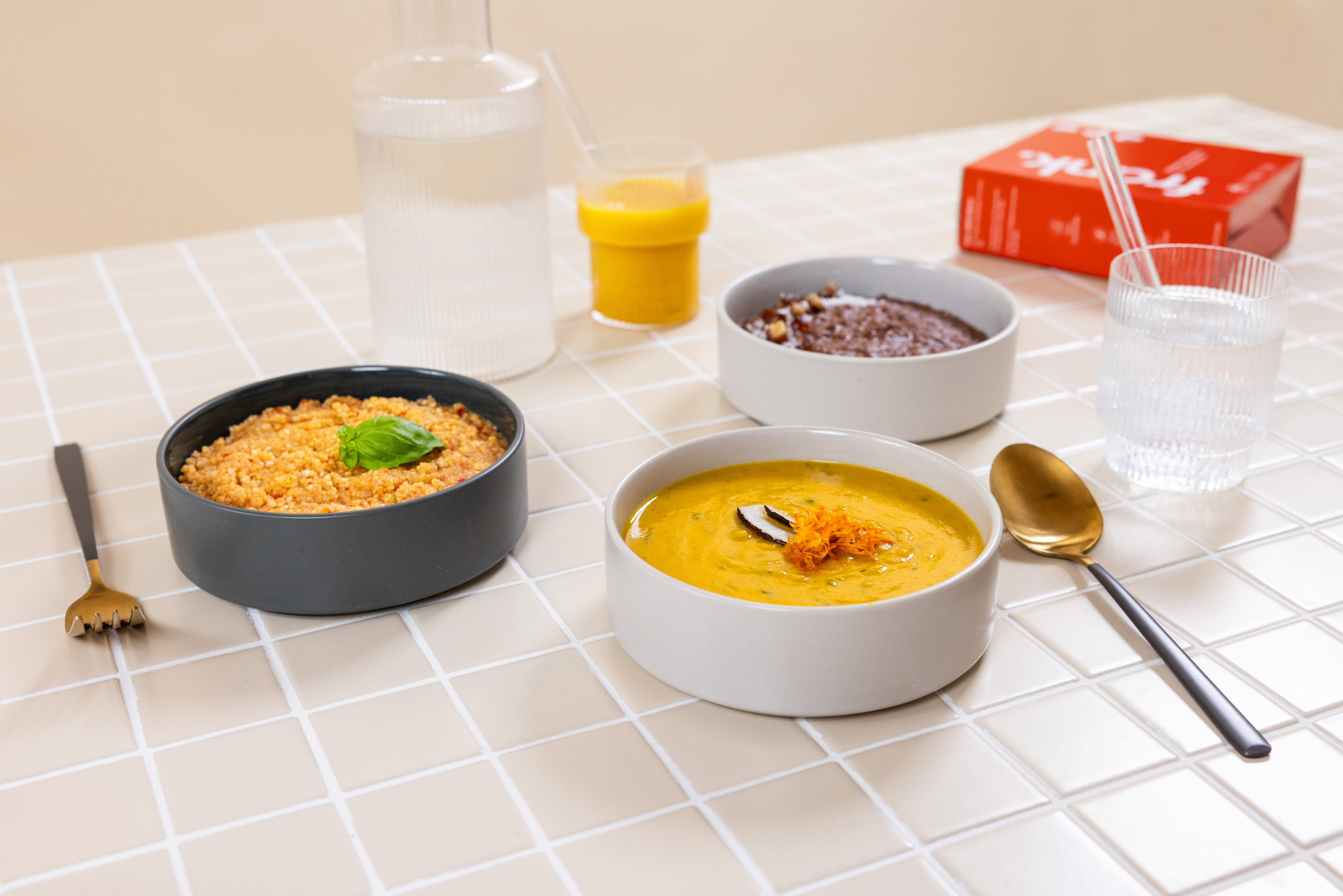
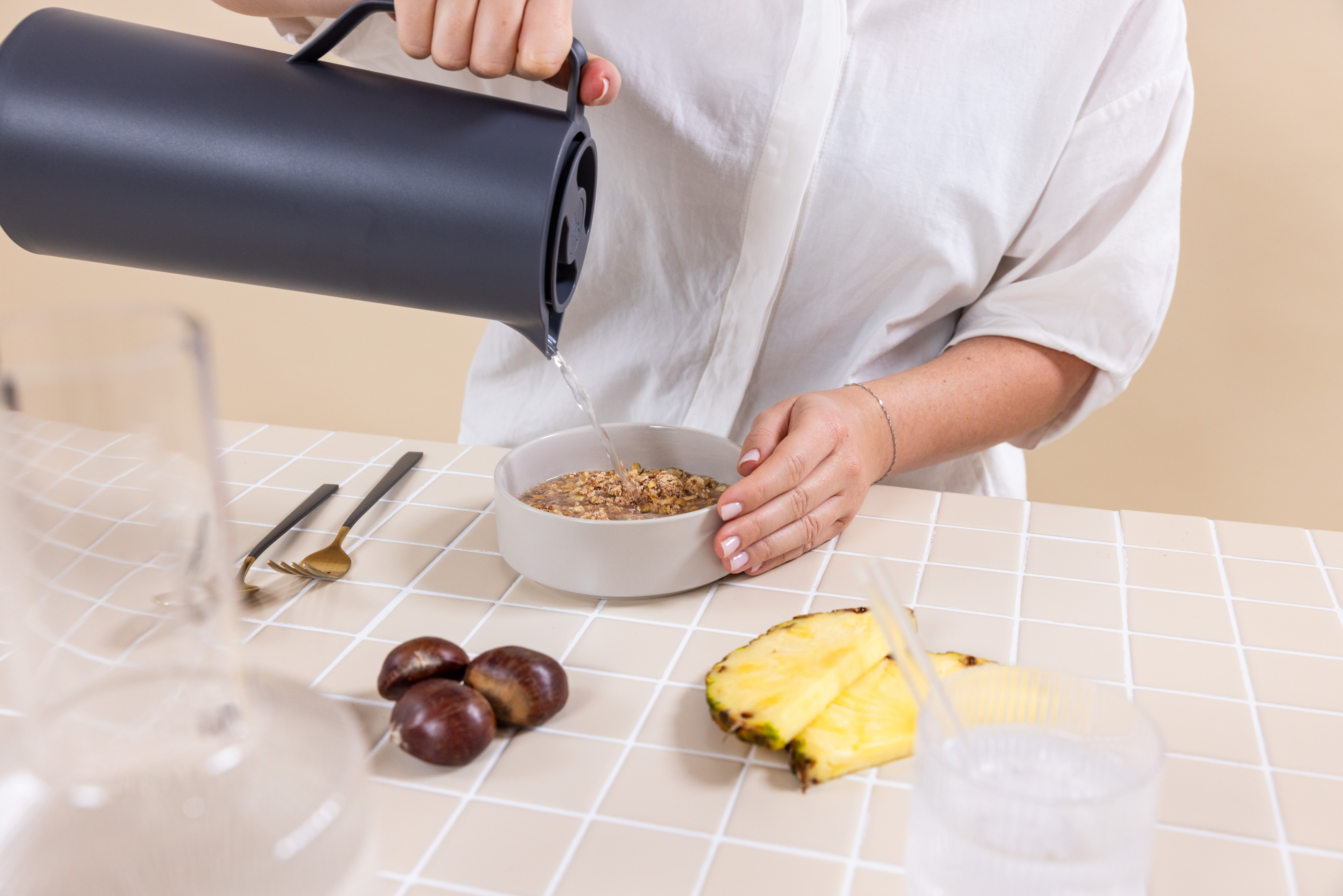
Our frank. 5:2 intermittent fasting programme makes putting the 5:2 fasting method into practice a breeze. We offer ready-made, healthy dried meals designed specifically for the two fasting days. These organic-certified meals contain only a few calories and help you reach a clear calorie deficit. You decide how long the fasting programme lasts, so choose between 4, 8 and 12 weeks.
Lifestyle and nutrition tips for the best results
Alongside intermittent fasting, it is important to keep up a healthy lifestyle and eat a balanced diet. Women over 50 should make sure to get enough protein to avoid muscle loss, and focus on unprocessed foods, healthy fats and fibre.
It is also important to build regular exercise into your day and get enough sleep. By combining intermittent fasting with a healthy lifestyle, women over 50 can get the best results and support their health.
Intermittent fasting for women over 60
What you need to know about intermittent fasting for women over 60
Intermittent fasting is not only suitable for younger age groups, it also offers women over 60 an effective way to support their health and improve their wellbeing.
In this phase of life, age-related changes play a decisive role, so it is very important to adapt the fasting accordingly to get the most out of it. Women over 60 should therefore inform themselves thoroughly about the particulars of intermittent fasting, to manage their expectations and deal with possible problems.

Supporting health and mobility through fasting
For women over 60, intermittent fasting can help support health and mobility. Reducing calories regularly may help lower the risk of age-related conditions such as diabetes, cardiovascular disease and joint problems. By supporting weight loss and a better metabolism, women over 60 can boost their quality of life and stay more active.
Safety considerations and adjustments for existing health conditions
Women over 60 often already have health conditions that need to be taken into account with intermittent fasting. It is important to think about safety and, where necessary, adapt the fasting to individual needs.
It is advisable to see a nutrition adviser before you start fasting.
Examples and tips for successful fasting in later life
Intermittent fasting is not only suitable for younger age groups, it also offers women over 60 an effective approach to improving their health. In this phase of life, which is shaped by age-related changes, an adapted approach is crucial. Before fasting, you should find out about the different fasting methods and, where necessary, adapt them to your needs.
For women over 60 there are various ways to put intermittent fasting into practice successfully, including 5:2 fasting, where you eat normally on five days and reduce your calorie intake on two days.
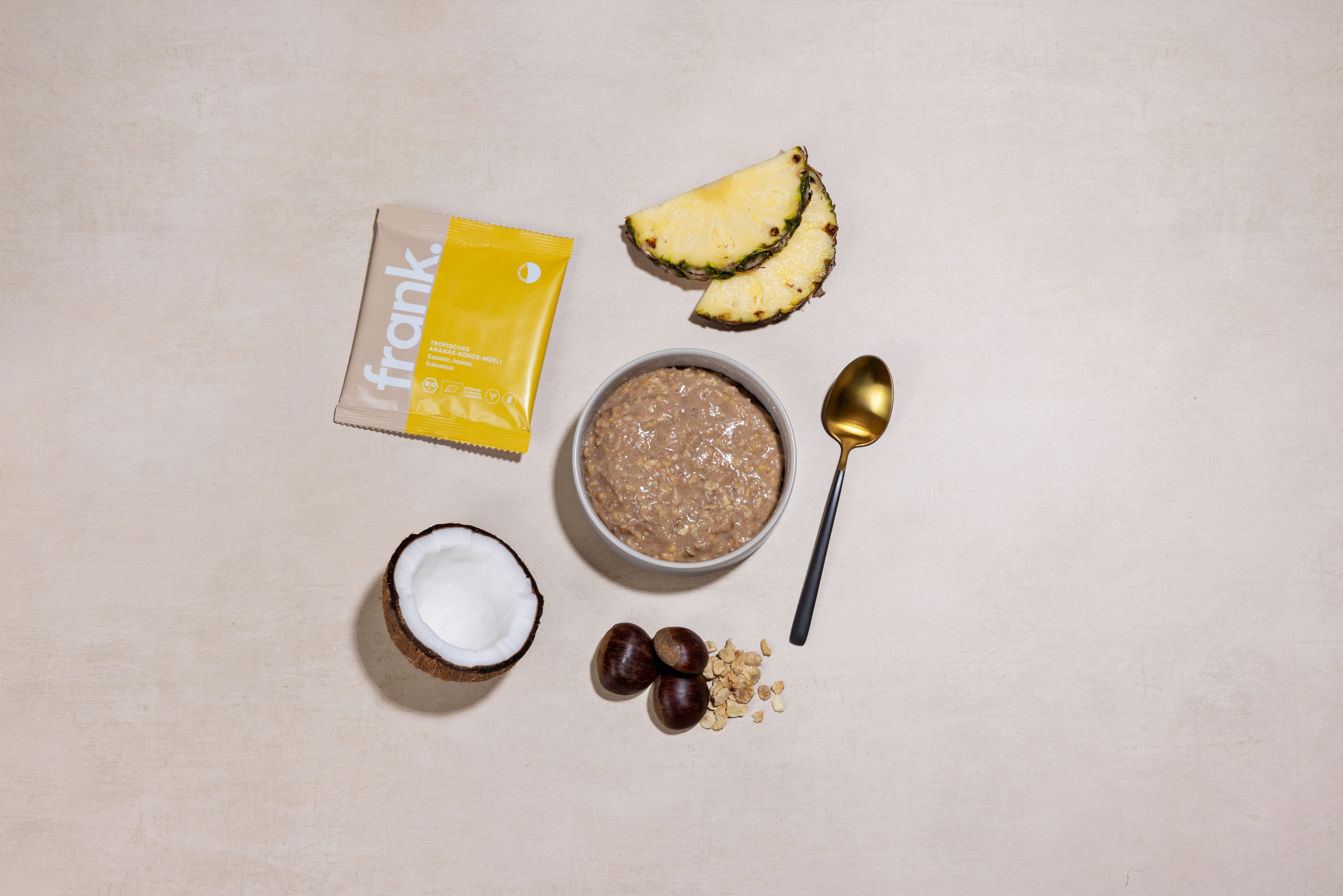
Our frank. 5:2 intermittent fasting programme revolutionises how the 5:2 fasting method is put into practice. With our innovative ready-made dried meals for the fasting days, cutting calories becomes child's play. These delicious, organic-certified meals are not only healthy but also extremely low in calories, to make sure a clear calorie deficit is reached. The flexibility is entirely up to you: choose between 4, 8 and 12 weeks to adapt your fasting experience. If you have any more questions, feel free to look around our website or contact our customer service at: support@thefrankjuice.com.
Another example is 12:12 fasting, where you fast for 12 hours and eat for 12 hours, which is a more moderate fasting pattern and can easily be built into everyday life.
Women over 60 should ease into calorie reduction slowly and listen to the signals of their body to get the best results.

Intermittent fasting for men
Intermittent fasting for men over 40
Differences in intermittent fasting between men and women
Intermittent fasting is a popular approach not only for women but also for men to support their health and manage their weight. Although the basic principles of intermittent fasting are similar for all genders, there are one or two differences in how it is put into practice and in the possible results.
Women have a more complex hormone balance, influenced by oestrogen and progesterone, which can affect fasting. These hormones can change the body's response to fasting periods. Men, on the other hand, generally have a higher energy requirement and can therefore often tolerate longer fasting periods better.
Specific benefits of intermittent fasting for men
For men, intermittent fasting offers specific benefits tailored to their needs. These include improved testosterone production, increased muscle mass and greater fat burning. These advantages can help boost physical performance, for example in sport, and reduce the risk of age-related conditions.
Popular fasting plans and diet recommendations for men
Men can choose from various fasting plans that fit their lifestyles and fitness goals. Popular options are the 16:8 method, the 5:2 method and Eat-Stop-Eat fasting. It is important to eat a balanced diet with enough protein, healthy fats and fibre during the eating phases, to maintain muscle mass and support the metabolism.
Eat-Stop-Eat is a form of short-term fasting where you fast for 24 hours, once or twice a week. This idea was developed by Brad Pilon and aims to improve the metabolism, regulate the hormone balance and promote weight loss through regular fasting periods. On fasting days you only have calorie-free drinks such as water and unsweetened tea. Studies suggest that Eat-Stop-Eat may improve insulin sensitivity and promote growth hormone, which supports fat burning and muscle building.
Adjustments and tips for men in different age groups
Depending on age and physical condition, men can consider different adjustments and tips for intermittent fasting.
Older men can benefit from shorter fasting periods and may want to increase their protein intake to avoid muscle loss.
Younger men can consider longer fasting periods to maximise fat burning and improve muscle definition. It is important to pay attention to your own body's individual needs and, where necessary, talk to a doctor or nutrition adviser.