















Our mood is shaped by lots of outside and inside influences, both negative and positive. Our social circle, be it family, friends and/or colleagues, has a major effect on our mood - and so does our food! The difference between the two is that we can't choose the people around us as carefully as we choose our meals. In this post, find out how choosing foods deliberately can lift your mood!
Why do your gut bacteria influence your mind?
It's been known for some time that our daily meals can affect our mood, for better or worse. But did you know that your gut bacteria produce a large share of the happiness hormones serotonin and dopamine in your body? Through research into the intestinal microbiome (if you don't know what that is, read our previous post with the basics on the gut and microbiome HERE), we now also know more about the link between our diet and our mental wellbeing. Numerous studies have indicated that dysbiosis, an imbalance between health-promoting and harmful bacteria in the gut, can contribute to disturbances of wellbeing. In this way your intestinal microbiome may contribute to your bad mood, and even to low moods and anxiety! Microbes help you digest our meals and ensure the best possible absorption of nutrients. They also produce vitamins and neurotransmitters themselves, such as the happiness hormones serotonin and dopamine. They also support your defence system and protect against pathogens. In practice, that means: your food shouldn't only put you in a good mood through taste, it should also make the beneficial bacteria in your gut happy!
The frank Milk Turmeric
Feed your gut bacteria right!
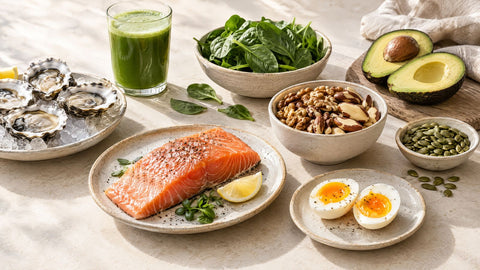
Be aware that with every meal you choose how to feed the trillions of microorganisms in your gut. If you take good care of your gut flora, it gives you quality of life back. The foundation for that is a plant-based diet. That means filling most of your plate with vegetables, fruit and wholegrain products. From a nutritional science point of view, there is basically nothing against adding animal protein sources such as lean meat, fish and dairy. This approach also helps you avoid swings in your blood sugar level, which in turn can affect your mood negatively. Tiredness, irritability and difficulty concentrating can be the result.
frank Food For Mood
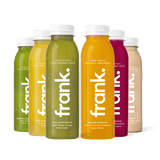
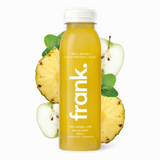
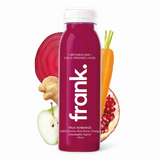
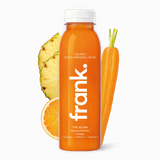
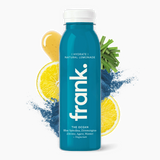
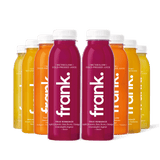
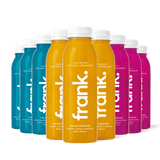
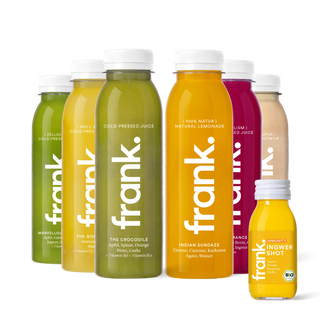
Eating fruit and vegetables is linked to lower rates of depression. So build them into your diet every day or top up your needs with one of our juices . L-tryptophan is also known for its mood-lifting effect and is found in cashews. A tasty frank product to cover your L-tryptophan needs is the broccoli, cashew and date soup.
Our White Juice contains bananas, which provide vitamin B6, which is involved in producing the happiness hormones serotonin and dopamine.
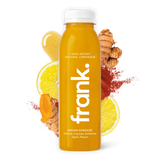
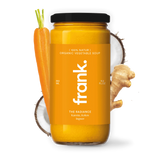
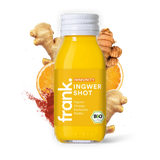
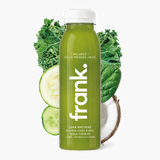
Spices such as saffron and turmeric can also have a positive effect on your mood. If you like it spicier, we recommend our Turmeric M*lk. Pulses and spinach contain magnesium, which is said to have a calming, anxiety-easing effect. How about our red lentil and apricot soup? Or, as a juice, our Grün-Sten!
Our mood is influenced by a lot of outer and inner factors, in both negative and positive ways. Our social circle, whether it's our family, friends and/or colleagues, has a major effect on our mood - and so does our food! The only difference between the two is that we can't choose the people around us as carefully as we choose our food. In this post, find out how you can positively influence your mood by choosing foods deliberately!
Why do your gut bacteria affect your mind?
It has been known for a while that our daily meals can influence our mood both positively and negatively. But did you know that your gut bacteria produce a large share of the happiness hormones serotonin and dopamine in your body? Through research around the intestinal microbiome (if you don't know what that is, read our previous post with the basics on the gut and microbiome HERE), we now also know more about the link between our diet and our mental health. Numerous studies have shown that dysbiosis, an imbalance between the health-supporting and harmful bacteria in the gut, can contribute to disturbances of wellbeing. In this way your intestinal microbiome may be responsible for your bad mood, and may even contribute to depressive states and anxiety disorders! Microbes help you digest our meals and ensure optimal absorption of nutrients. Beyond that, they produce vitamins and neurotransmitters themselves, such as the happiness hormones serotonin and dopamine. They also support your defence system and protect against pathogens. In concrete terms, this means for you: your food shouldn't just put you in a good mood through taste, it should also make the beneficial bacteria in your gut happy!

Feed your gut bacteria properly!
Be aware of this: with every meal, you choose how you feed the trillions of microorganisms in your gut. If you take good care of your gut flora, it gives quality of life back to you. The foundation for this is a plant-based diet. That means filling most of your plate with vegetables, fruit and wholegrain products. From a nutritional science point of view, there is basically nothing against adding animal sources of protein such as lean meat, fish and dairy. This approach also helps you avoid swings in your blood sugar level, which in turn can have a negative effect on your mood. Tiredness, irritability and difficulty concentrating can be the result.
frank. Food For Mood
Eating fruit and vegetables is linked to lower rates of depression. So work them into your diet every day, or top up your needs with one of our juices . L-tryptophan can also lift your mood, and it is found in cashews. A tasty frank product to cover your L-tryptophan needs is the broccoli, cashew and date soup.
Our White Juice contains bananas, which provide vitamin B6, which is needed to make the happiness hormones serotonin and dopamine.
Spices such as saffron and turmeric also have a positive effect on your mood. If you like it a bit spicier, we recommend our Turmeric M*lk. Pulses and spinach contain magnesium, which has a calming, anxiety-easing effect. How about our Red Lentil - Apricot soup? Or, as a juice, our Grün-Sten!
Had enough to eat? Then why not try a juice cleanse. Start with the 3-day juice cleanse to get to know the fasting method, and work your way up to the 7-day juice cleanse for a real challenge.