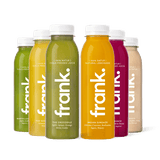
Bloating, gas and diarrhoea: everyone knows these complaints and has had them at some point. Occasional symptoms can happen, for example after a very high-fibre meal. But if you suffer from gut complaints all the time and other symptoms come on top, an imbalance of gut bacteria, known as dysbiosis, could be the cause. A gut cleanse may help here! So we take a closer look at cleansing the gut and give you helpful tips in our guide on what really matters and what you should keep in mind.
Introduction to the gut cleanse
A gut cleanse can help you build up your gut flora. The aim is to restore the balance between beneficial and harmful bacteria. This helps your digestion run smoothly again, may improve nutrient absorption and may reduce inflammation.
There are different approaches, ranging from supplements such as prebiotics and probiotics to a cleanse with a change of diet. From a scientific point of view, looking at the whole picture and optimising your individual habits makes the most sense.
Was ist die Darmsanierung?
Eine Darmsanierung ist ein Prozess, bei dem der Darm von Toxinen, gesundheitsschädlichen Bakterienstämmen und anderen schädlichen Substanzen gereinigt wird, sodass schlussendlich die Verdauung wieder reibungslos ablaufen kann. Der Darm ist ein wichtiger Teil des Verdauungssystems, der Nährstoffe aus der Nahrung aufnimmt und Abfallprodukte ausscheidet. Wenn er jedoch von gesundheitsschädlichen Keimen und Toxinen überwältigt wird, kann dies zu einer Reihe von Symptomen führen, einschließlich Verdauungsproblemen, Müdigkeit, Kopfschmerzen und sogar Hautproblemen.
How is the gut cleansed?
You can do a gut cleanse at home in different ways, depending on your individual needs, habits and health. Here are some of the most common building blocks of a holistic gut cleanse:
Relief and cleansing
With the help of a fasting cleanse you can effectively give your gut a break and reduce inflammation. You may already notice first improvements in how you feel. With a longer cleanse, an enema at the start could make sense, for example using Glauber's salt.
Prebiotics and probiotics
Probiotics are live bacteria and prebiotics are the food for them. Both are essential for the balance of your gut flora. While both should be part of your daily meals, it can also make sense to take them in high doses as a supplement for your gut cleanse.
Change of diet
A high-fibre diet rich in fruit, vegetables, wholegrain products and fermented foods like yoghurt and sauerkraut can help maintain your gut health in the long term.
In general, anyone can do a gut cleanse as long as there are no serious gastrointestinal diseases or digestive disorders. If you're unsure, you can always ask the doctor or nutrition expert you trust. People with chronic conditions and pregnant women in particular should only do a gut cleanse under medical supervision. People with histamine intolerance or an intolerance to certain foods should also talk to a doctor before cleansing their gut at home.
The ideal duration and frequency of your gut cleanse depends on various factors. These include how much strain your gut is under, your complaints and how your cleanse goes. A gut cleanse can take several weeks in total. The frank. gut cleanse as a kick-start to your gut cleansing lasts 3, 5 or 7 days, as you prefer. The supplements it contains keep you supplied for several weeks.
Ideally, one single gut cleanse is enough for you. By adjusting your lifestyle you can keep this ideal state. If you need several courses of antibiotics, though, it may still make sense to do another gut cleanse.
A gut cleanse is generally a safe way to improve gut health. However, side effects can occur if you overlook certain things or if your gut has been badly affected, though these are usually mild and temporary. Possible side effects include:
- temporary worsening of symptoms such as bloating, diarrhoea or constipation
- temporary drop in energy or mood swings
- temporary headaches or dizziness
- temporary skin reactions such as acne or rashes
Keep in mind that side effects can vary and also depend on the type and intensity of the gut cleanse. People with serious gastrointestinal diseases or who are pregnant should consult a doctor before doing a gut cleanse. It's also important to note that a gut cleanse should not be seen as a substitute for medical treatment of digestive tract conditions.
Gut cleansing and health: the connection between your gut and your health
Did you know that gut health affects the health of your whole body? Bacteria, fungi and viruses live in our gut. We don't just tolerate them, we depend on them to live!
So hilft die Darmreinigung beim Aufbau einer gesunden Darmflora
Eine Darmsanierung soll dazu beitragen, das Gleichgewicht der Darmflora wiederherzustellen und damit die Gesundheit des Verdauungssystems und des restlichen Körpers zu verbessern.
Eine ganzheitliche Darmsanierung umfasst eine Kur, die die Verdauung entlasten und Entzündungen im Körper reduzieren kann. Die Einnahme von hochdosierten Prä- und Probiotika hilft dabei, die gesundheitsschädlichen Bakterien zu verdrängen und die gesundheitsförderlichen Keime anzusiedeln. Sich suboptimal auf die Darmgesundheit auswirkende Lebensmittel wie Zucker, Alkohol und stark verarbeitete Lebensmittel sollten in dieser Zeit größtmöglich vermieden werden. Eine Veränderung des Lebensstils, inklusive der Ernährung, der Bewegungs- und Schlafgewohnheiten sowie der Belastung von Stress, führt dazu, dass eine Darmreinigung auch langfristig seine Effekte zeigen kann.
How disturbed gut flora affects the body: symptoms to look out for
An imbalance of bacterial strains and disturbed digestion can cause many different symptoms, some of which are unspecific and can even go unnoticed. The signs are not always obvious, which often makes diagnosis harder. If you notice one or more of the symptoms listed below, a gut cleanse could make sense for you. If anything is unclear, always speak to the doctor you trust or a trained nutrition expert.
Digestive problems often occur when the gut microbiome is not intact and cause a lot of distress for those affected, even to the point of shutting themselves away at home. They can include various symptoms, such as diarrhoea, constipation, stomach ache and nausea. These symptoms can be caused by a variety of factors, including the type and amount of food eaten, stress, disturbed gut flora, or several factors at once.
Bloated belly and gas
Your belly can be bloated for several reasons. The technical term is meteorism. If you're distracted while eating, you can swallow more air without noticing, and it collects in the digestive tract. The bacteria in the gut also break down food components, which can produce gas. Certain foods such as pulses, cabbage, onions and garlic can lead to increased gas. Whatever the cause, the gas can stretch the gut and cause pain. When it escapes again, it can lead to uncomfortable wind, known as flatulence.
Food intolerances and nutrient deficiency
A disturbed gut microbiome can mean the resident germs no longer make use of food components as well, so it is more likely that certain foods are no longer tolerated. On top of that, a gut microbiome that isn't working properly makes nutrient deficiencies more likely.
Did you know that gut flora is connected to the brain and can therefore also influence our mind? Via the so-called gut-brain axis, the brain sends information to the gut and vice versa. This means gut flora can influence hormone levels. For example, an imbalance of bacterial strains is linked to mood disorders such as anxiety and depression. Here, though, science is still at the beginning!
Tiredness and lack of energy can be caused by various factors, such as stress, lack of sleep, an unhealthy diet and too little exercise. A disturbed gut microbiome can also have a negative effect on your energy levels. Here we explain different symptoms:
Sleepiness, weakness and slower reaction time
You've just got up and already want to go back to bed? You feel like you're never properly awake? You react much more slowly than usual? Constant sleepiness, always feeling tired and slower reactions can be signs of low energy.
Lack of drive
You're dodging sport even though you were looking forward to it, and would rather stay on the sofa? A lack of motivation and energy can be signs of low energy.
Trouble concentrating
You find it hard to concentrate and your thoughts often wander off? Trouble concentrating can also point to low energy.
Sleep problems
You have trouble falling asleep or staying asleep? That can point to low energy too!
Acne
Acne is a common condition caused by inflamed sebaceous glands in the skin and often appears on the face, back and chest. Studies have suggested that disturbed gut flora can raise the risk of acne. Poor gut health can promote inflammation in the body, which can lead to skin problems.
Eczema
Eczema is a skin condition marked by inflammatory reactions of the skin. Symptoms can include redness, flaking, itching and blistering. An imbalance of gut flora can mean the body doesn't absorb certain nutrients that are important for your skin. A lack of these nutrients can raise the risk of eczema.
Psoriasis
Psoriasis is a chronic autoimmune condition that leads to an overproduction of skin cells and shows up as silvery, scaly patches on the skin. There are indications that disturbed gut flora can raise the risk of psoriasis. Healthy gut flora can help reduce inflammation in the body, which may lower the risk of psoriasis.
Rosacea
Rosacea is a skin condition marked by redness and inflammation of the skin on the face, especially on the cheeks, nose, chin and forehead. A disturbed gut microbiome can raise the risk of inflammation in the body, which in turn can raise the risk of rosacea. Healthy gut flora can help reduce inflammation and lower the risk of rosacea.
Skin rashes
Skin rashes can be caused by various factors such as infections, allergic reactions or contact with irritants. Disturbed gut flora can also lead to allergic reactions, which can cause rashes and itching.
Allergies are overreactions of the immune system to normally harmless substances, such as pollen or food. In an allergic reaction the body produces antibodies against these substances and releases histamine, which can lead to a range of symptoms, such as skin rashes, swelling or digestive problems.
The gut plays an important role in how allergies develop, as it is part of the immune system and closely linked to the body's whole immune system. Disturbed gut flora can raise the risk of developing allergies, as it impairs the barrier function of the gut ("leaky gut") and activates the immune system unnecessarily.
A disturbed gut microbiome can also affect body weight, both in the form of weight gain and weight loss. This is because the gut microbiome influences digestion and the absorption of nutrients and can regulate hormones. These include leptin and ghrelin, which influence your feelings of hunger and fullness. Keep in mind, though, that being overweight has complex causes, so healthy gut flora alone does not lead to a healthy body weight and can only be seen as part of a holistic approach.
Weight gain
Some studies have suggested that unhealthy gut flora can be linked to a higher body mass index (BMI) and a higher risk of being overweight and obese. For example, certain bacterial strains can influence the absorption of fatty acids and the production of hormones that regulate feelings of hunger and fullness.
Disrupted nutrient absorption
Gut flora plays an important role in the work of your gastrointestinal tract and in absorbing nutrients from food. If the balance of the gut microbiome is disturbed, nutrients may be absorbed less well. More short-chain fatty acids (SCFAs) can also be produced, which serve as an energy source for gut cells and can reduce inflammation. These fatty acids can also regulate feelings of hunger and fullness by influencing the release of hormones involved in regulating appetite.
Change in digestion speed
A disturbed gut microbiome can change the speed of digestion, which can mean food passes through the digestive tract more slowly or more quickly. If digestion is too fast, the body may not absorb enough nutrients and the person may feel they need to eat more.
Raised inflammation levels
A disturbed gut microbiome can promote inflammation in the body, which in turn can raise the risk of insulin resistance. Insulin resistance can affect metabolism and lead to weight gain.
Change in hormone balance
A disturbed gut microbiome can also affect hormone balance, especially the hunger and fullness hormones leptin and ghrelin.
Weight loss
A disturbed gut microbiome can mean the body absorbs fewer calories from food and so may contribute to weight loss. Disturbed gut flora can also lead to impaired insulin sensitivity and inflammation in the body, which can slow metabolism and raise the risk of obesity.
A permeable intestinal barrier ("leaky gut") can lead to chronic, low-grade inflammation in the body, which is associated with a higher risk of chronic conditions such as type 2 diabetes, cardiovascular disease and cancer.
Before the gut cleanse
Preparation
Before you do a gut cleanse, it's important to prepare so you get the best possible results. Keep in mind that everyone is different and that preparation can vary depending on individual needs and state of health. Here are some steps to take beforehand:
1. Consult a doctor or nutrition expert
Do you have a medical condition, or are you unsure whether a gut cleanse or the exact way of doing it is best for you? This is where an individual assessment and recommendation from experts is called for.
2. Cut back on foods that put a strain on you
Before your gut cleanse, already avoid certain foods that put a strain on your digestive tract. These include refined sugar and fatty fast food, alcohol and possibly caffeine.
3. Take prebiotics
Getting enough prebiotics can help cleanse and support the gut by helping to remove food residues and metabolic end products from the gut. Prebiotics are food for your gut bacteria and you find them as fibre, mainly in vegetables and wholegrain products. However, too much fibre can also cause gut complaints, especially if the gut microbiome is already damaged. Here it's important to watch the amount of fibre that you tolerate well.
4. Take probiotics
Probiotic supplements contain live bacteria that are good for your health and, ideally, settle in your gut. This can help improve the balance of your microbiome, help fend off harmful bacteria and promote the growth of useful ones.
5. Do a fasting cleanse
A fasting cleanse can give the digestive tract a break and reduce inflammation. Use the cleanse as a kick-start to a healthy everyday routine for a healthy microbiome in the long term.
Ernährungsumstellung vor der Darmsanierung
Eine Ernährungsumstellung ist sowohl vor als auch nach einer Darmsanierung sinnvoll. Eine gesunde Ernährung kann dazu beitragen, die Darmgesundheit zu verbessern und eine gesunde Darmflora zu fördern. Durch die Reduzierung von Zucker, raffinierten Kohlenhydraten, Alkohol und verarbeiteten Lebensmitteln kann man bereits vor der Darmsanierung den Darm entlasten und den Heilungsprozess beschleunigen. Auch kann es hilfreich sein, probiotische Lebensmittel wie Joghurt, Kefir oder Sauerkraut in die Ernährung zu integrieren, um das Wachstum von nützlichen Keimen im Darm zu unterstützen.
Which foods to avoid before cleansing your gut
Alcohol: Alcohol can damage gut flora. It's best to avoid alcohol for at least a week before the gut cleanse.
Caffeine and theine: Caffeine and theine can irritate the gut, so you should avoid or reduce coffee, tea and other caffeinated drinks for your gut cleanse.
Refined sugar and gluten-containing grains: Refined sugar can promote the growth of unwanted bacteria in the gut and disturb gut flora. Not everyone tolerates gluten either. So leave out sugary products and white flour products for your gut cleanse.
Ultra-processed foods: Ultra-processed foods often contain additives, preservatives and sweeteners that can affect gut flora. Buy mostly fresh, unprocessed foods.
Dairy products: Dairy products can cause digestive problems and intolerances in some people. It can make sense to temporarily remove dairy products from your diet to calm the gut flora.
Preparation:
Before the gut cleanse, it's important to include a preparation phase. This can involve a change of diet to support your gut flora, as well as taking certain supplements. See the previous chapter "Before the gut cleanse".
Cleanse:
The fasting cleanse can begin with an enema to flush food components or metabolic products out of the gut. Going without your usual food gives the digestive tract a break and may reduce inflammation in the body. If you already take prebiotics and probiotics, you can keep supplementing them during the fasting cleanse.
Rebuilding:
After the cleanse, it's important to build the gut back up and support the gut flora. This is done on the one hand by continuing to take probiotics and prebiotics, and on the other by a particularly gut-friendly diet, exercise, sleep and low stress.
Maintenance:
To keep the results of the gut cleanse, it's important to keep up healthy habits in everyday life. These include a high-fibre diet with plenty of vegetables, drinking enough water, regular exercise, enough sleep and low stress.
What shouldn't you forget during your gut cleanse? Here are the most important components:
Cleanse: Choose the fasting cleanse that's best for you. Frank. offers a big selection of different cleanses so you're sure to find the right one. If you have questions, you can always contact customer support at info@thefrankjuice.com.
Gentle laxative: If you want to start your fasting cleanse with an enema, you need a laxative for it. Depending on your preferences there are different products with different mechanisms of action: osmotic or gut-stimulating laxatives, bulking agents, swelling agents or lubricants.
Probiotics: Probiotics are live bacterial strains that can help restore the balance of gut flora. You find them in fermented foods like yoghurt and kefir. In high doses and in a well-tolerated form they are also available as supplements.
Prebiotics: Prebiotics are food components that promote the growth of beneficial bacteria in the gut. Fibre is found in foods like wholegrain products, fruit and vegetables. Here too you can turn to supplements.
Diet: Besides prebiotics and probiotics, a balanced diet in general plays a big role in your gut cleanse. Go for nutrient-rich foods to build up healthy gut flora. If you need inspiration for tasty, easy and gut-friendly dishes, check out our frank. guides!
Relaxation, sleep and exercise: Not only your diet, but also your stress level, how long and how well you sleep and how much you move all affect your digestion. It's best to make a plan for how you want to work these things into your everyday life from now on.
Eliminating waste: The gut is responsible for eliminating waste from the body, including toxins and metabolic waste. If the gut isn't working properly, this waste can stay in the body and lead to health problems.
Absorbing nutrients: Healthy gut flora supports the absorption of nutrients from food, including important nutrients like vitamins, minerals and antioxidants. These nutrients play an important role in the body's natural cleansing processes and in protecting it from toxins and pollutants.
Binding toxins: Gut flora can bind and neutralise certain toxins before they enter the bloodstream and can cause harm in the body. These toxins are then excreted in the stool.
Producing short-chain fatty acids: Healthy bacteria in the gut produce short-chain fatty acids such as butyrate, which support the gut lining and promote the growth of healthy germs. This may help improve the body's natural cleansing capacity.
During a gut cleanse the gut can work especially effectively, as the fasting cleanse combined with prebiotics and probiotics, as well as a long-term change of diet, can help move metabolic end products and toxins out of the body. The gut cleanse can help promote the growth of healthy gut bacteria and reduce harmful germs that may be responsible for inflammation and toxin formation in the gut.
By supporting the gut's immune system and strengthening the gut lining, toxins and heavy metals taken in through food can also be neutralised and excreted after the gut cleanse, before the body absorbs them.
It's important to note, though, that a gut cleanse alone is not enough to rid the body of all toxins. A healthy diet, regular sweating through strenuous exercise, enough sleep and avoiding harmful substances like alcohol and tobacco are also important to improve the body's natural cleansing capacity.
Probiotics: Probiotics are beneficial bacteria that can help restore the balance of gut flora.
Prebiotics: Prebiotics are special fibres that serve as food for the beneficial, health-promoting bacteria in the gut and can promote their growth. The stronger the good bacteria are, the less room there is in your gut for harmful bacterial strains.
Digestive enzymes: Digestive enzymes can help extract nutrients from food and support the work of your gastrointestinal tract.
Micronutrients: During a gut cleanse it can be useful to supplement certain nutrients such as omega-3 fatty acids, vitamin D and magnesium to support optimal health.
That's why the frank. gut cleanse contains both prebiotics and probiotics with further functional additions, such as magnesium citrate.
Lifestyle and gut cleansing
Your lifestyle and your gut cleanse are closely linked. Ideally your gut microbiome is already healthy and you don't need a gut cleanse. But often we don't look after ourselves enough and neglect our health, and our gut microbiome suffers as a result.
A healthy lifestyle that includes a balanced diet, enough exercise, enough sleep and working stress management can help improve and maintain gut health. On the other hand, an unhealthy lifestyle marked by an unhealthy diet, lack of exercise, lack of sleep and lots of stress is best avoided. If there is an imbalance here for a longer time, a gut cleanse may make sense for you.
That's why, as part of a gut cleanse, it's important not just to optimise your diet but also to look at and adjust your lifestyle as a whole, to achieve a long-term improvement in digestion and general wellbeing.
Regular exercise isn't just good for you in general, it also has a positive effect on your digestion. Studies have suggested that exercise may reduce the risk of bowel cancer and improve gut function. If you move regularly, you also kick-start your metabolism, which in turn supports your gastrointestinal tract. Right during and after exercise, your gut movements are stimulated, which supports the elimination of waste products from the body.
Exercise can also reduce your stress, which can have a negative effect on gut health. Stress can change your gut flora, which in turn can cause digestive problems and other complaints. With exercise and relaxation practices like yoga or meditation you can reduce stress effectively.
A healthy gut can help reduce stress and, the other way round, stress can affect the gut negatively. The gut and the brain are in constant interaction and together form the so-called gut-brain system. This connection is so close that the gut is often called the "second brain".
Everyday stress can affect your gut function and change your gut flora, which can cause digestive problems like diarrhoea or constipation and also inflammation in the gut. Conversely, disturbed gut flora can also cause stress and may raise the risk of anxiety and depression.
A healthy gut can have a positive influence on sleep, as the gut and the brain are closely connected and the gut-brain system plays an important role in regulating the sleep-wake rhythm.
Disturbed gut flora or digestive problems like heartburn, diarrhoea or constipation can affect sleep and lead to sleep problems. In addition, inflammation in the gut can also lead to a rise in inflammatory substances in the body, which in turn can affect sleep.
After the gut cleanse
After a successful gut cleanse, it's important to keep building on your improved gut microbiome, smoothly running digestion and lower inflammation levels, and to maintain them in the long term. To do that, keep paying attention to all the factors that mattered during the gut cleanse too!
Wie kann die Darmgesundheit langfristig erhalten werden?
Wir empfehlen Dir, eine ausgewogene Ernährung beizubehalten, die reich an Ballaststoffen, gesunden Fetten und Proteinen ist und gleichzeitig zucker- und fettreiche Lebensmittel sowie stark verarbeitete Lebensmittel zu minimieren. Auch die Einnahme von Probiotika oder präbiotischen Lebensmitteln kann dazu beitragen, Deine gesunde Darmflora zu fördern. Neben der Ernährung gelten die bereits genannten Faktoren ebenfalls weiterhin. Achte auf ausreichend Bewegung, guten Schlaf und wenig Stress! Insgesamt sollte eine erfolgreiche Darmsanierung als Ausgangspunkt für einen gesünderen Lebensstil dienen, der langfristig zu einer besseren Gesundheit und Lebensqualität beiträgt.
What are common mistakes after a gut cleanse?
If you go back to your old way of eating after the gut cleanse, the state of your gastrointestinal tract can get worse again. That's why your change of diet should always be one that you're happy with in the long term and that tastes good to you! With every meal, make sure you have a portion of vegetables and choose wholegrain over white flour.
Eating too many ultra-processed foods can promote the growth of pathogenic bacteria because of their high content of refined sugar and additives and too little fibre.
Using antibiotics when they aren't needed can damage gut flora and promote the growth of pathogenic bacteria.
Stress and lack of sleep can have a negative effect by inhibiting the growth of beneficial gut bacteria and promoting the growth of pathogenic bacteria.